Counting the waves…
Counting the waves…

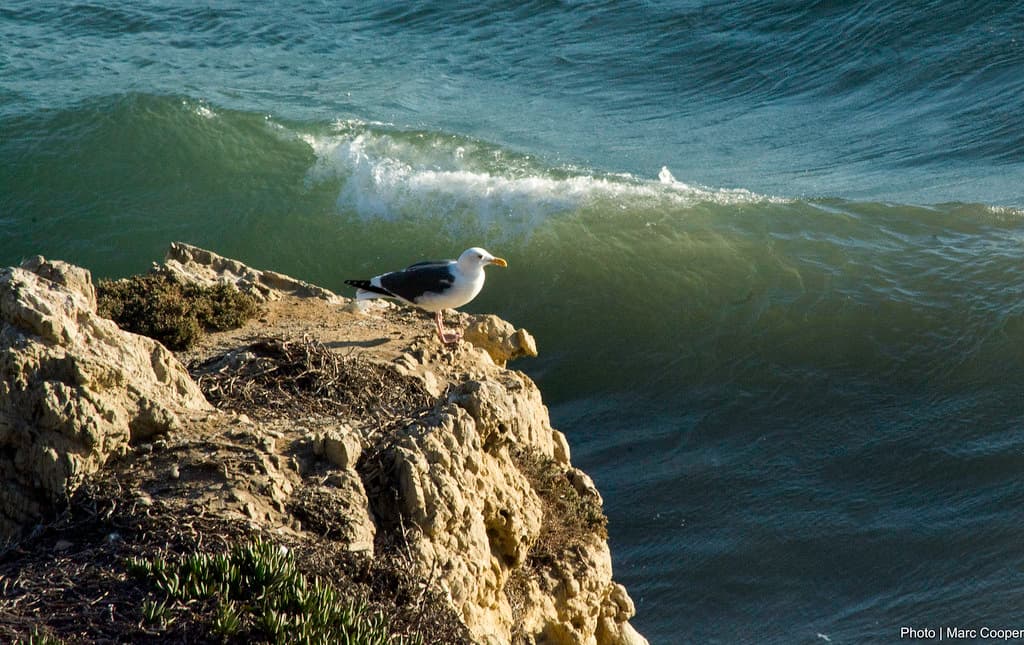
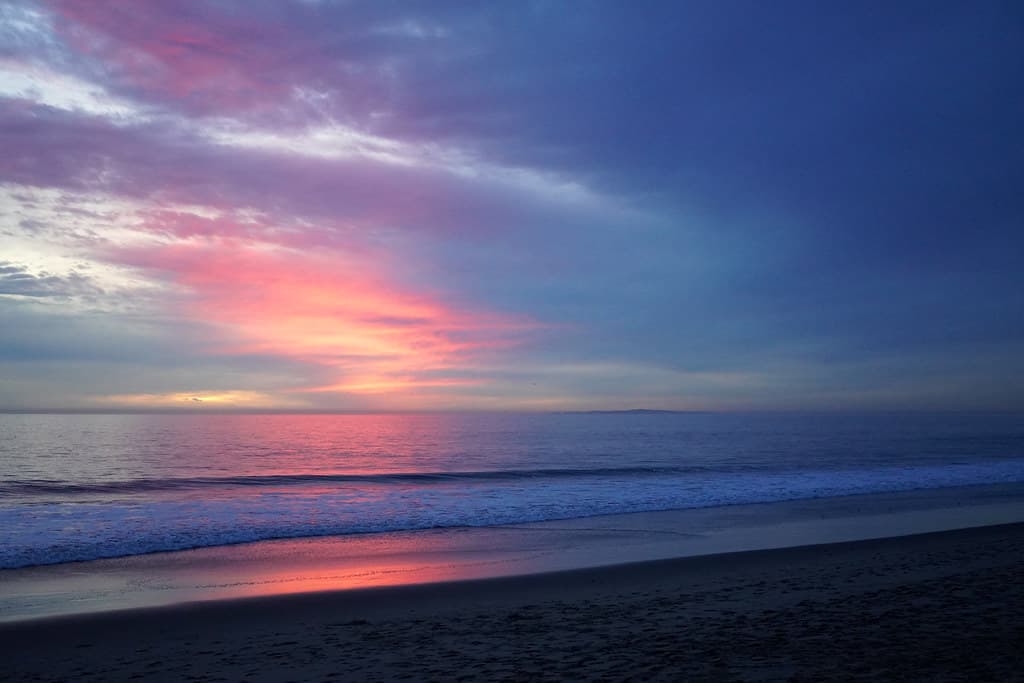
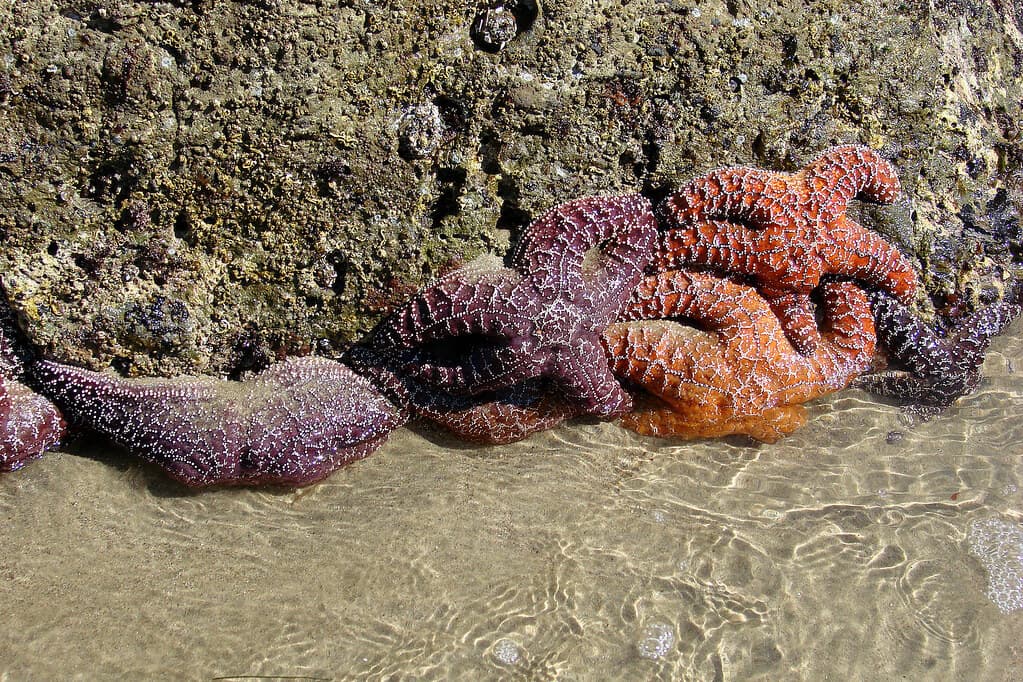
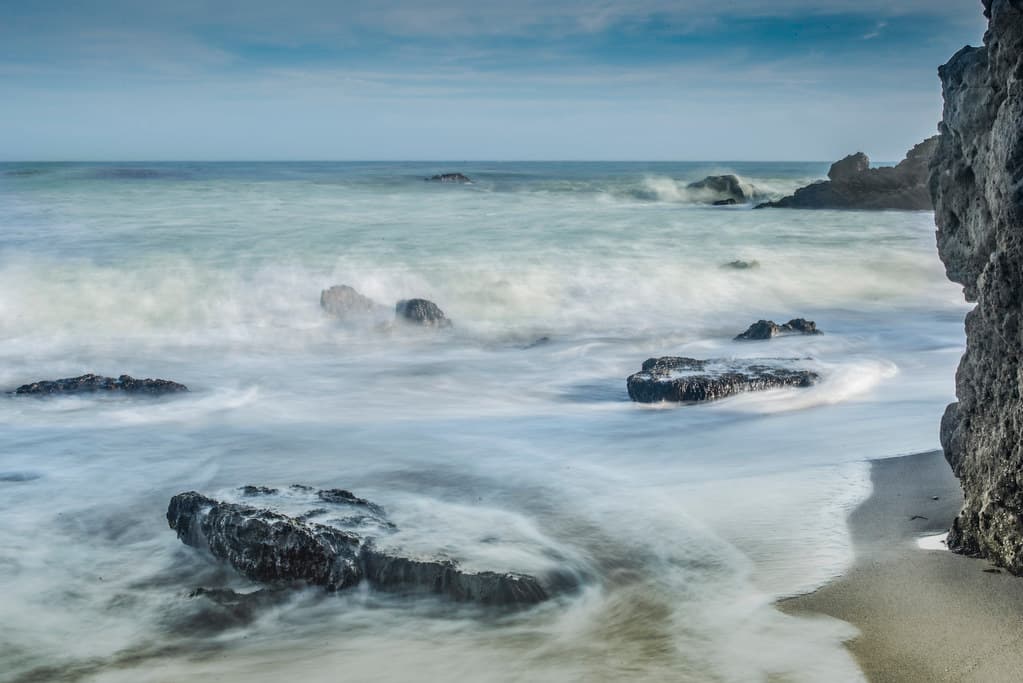
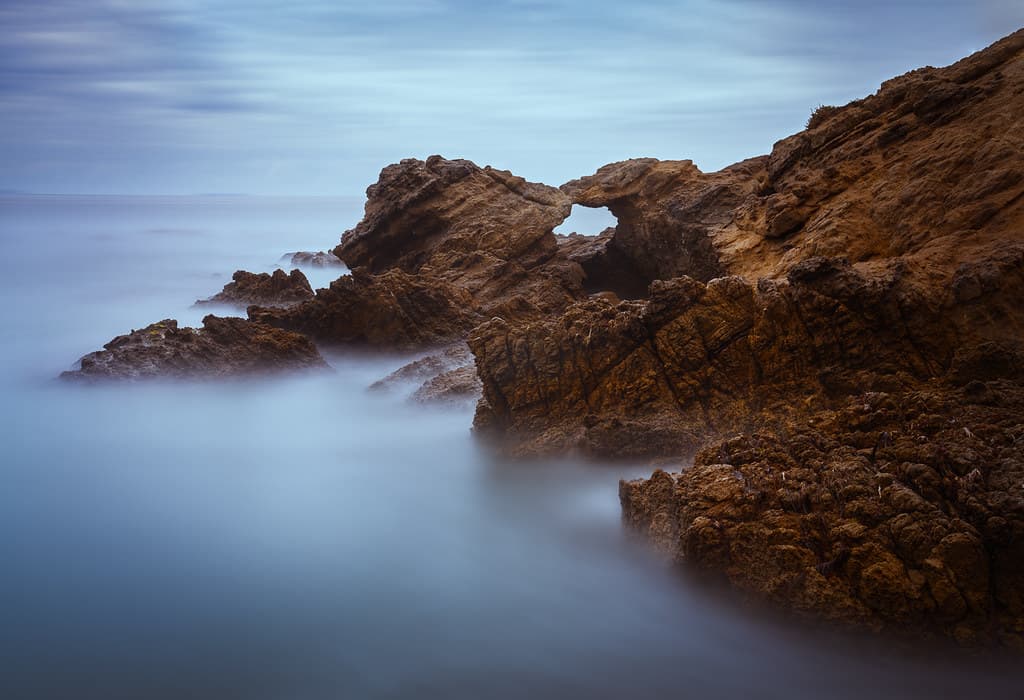
Leo Carrillo stretches across 1.5 miles of coastline where sandstone bluffs cast afternoon shadows over tide pools teeming with ochre sea stars and clustering mussels. The beach divides naturally into coves separated by dark reef outcrops—slick with kelp at high tide, transformed into exploration zones when the ocean pulls back. Families spread blankets near the lifeguard tower while surfers paddle out to the consistent reef break that delivers hollow rights on a northwest swell. North of the main strand, a series of sea caves tunnel into the headland. You can walk through the largest at minus tides, your footsteps echoing off algae-streaked walls as shafts of daylight pierce the gloom. Bring waterproof shoes; the cave floors stay wet, and barnacles coat every surface. The campground perches on the bluff above, close enough that you hear waves from your tent. Pelicans skim the surf line at dawn, and by mid-morning the parking lot fills with beachgoers hauling coolers and bodyboards down the paved path. The reef protects the southern coves from wind chop, creating lagoon-like conditions that draw waders and snorkelers. Stay until the light turns amber and watch the cliffs glow rust-orange, the color deepening as the sun drops toward the Channel Islands on the horizon.
Places, rentals, tours and events within walking and driving distance of Leo Carrillo State Beach.
Photos
Swimming conditions at Leo Carrillo vary significantly by season and location. The north end near the rocky reefs and tide pools has strong currents and is better suited for experienced swimmers. The main beach area south of Lifeguard Tower offers calmer waters during summer months when lifeguards are on duty. Always check posted warnings and swim near lifeguard stations. Winter brings larger surf suitable for experienced surfers but potentially dangerous for casual swimmers. Rip currents can occur, so exercise caution and never turn your back on the ocean.
Leo Carrillo is enjoyable year-round, but timing depends on your interests. Summer (June-September) offers warmest weather, calmer seas, and staffed lifeguard towers, ideal for families. Spring and fall provide fewer crowds and pleasant temperatures. For tide pool exploration, visit during low tide periods, which you can check online beforehand. Winter brings dramatic waves for surfing and storm-watching but cooler temperatures. Early mornings any season offer the best chance to explore sea caves and spot wildlife before crowds arrive.
Leo Carrillo has two main parking areas: a large lot on the inland side of Pacific Coast Highway and a smaller beachfront lot. Standard California State Parks day-use fees apply (typically $12 per vehicle), payable at entrance kiosks or via mobile app. The beach is located at 35000 Pacific Coast Highway in Malibu, approximately 28 miles northwest of Santa Monica. Parking fills quickly on summer weekends, so arrive early. Limited free street parking is available along PCH, but check posted restrictions carefully.
Leo Carrillo has limited on-site amenities—restrooms, outdoor showers, and picnic areas, but no food vendors. The nearby Neptune's Net seafood restaurant (3 miles north) is a popular post-beach stop. For groceries and more dining options, Malibu's central area is about 10 miles southeast. The beach offers a 135-site campground with RV hookups and tent sites for overnight stays, which can be reserved through California State Parks. Malibu has various hotels and vacation rentals, though many visitors day-trip from Los Angeles area.
Yes, Leo Carrillo's sea caves are a highlight and accessible during low tide. The largest cave is located on the beach's north end near the rocky point. You can walk through it when tides are low enough, but timing is critical—check tide charts before visiting and never enter if waves are large or tide is rising. Wear water shoes as rocks can be slippery. The caves were featured in various films and TV shows. Always stay alert to changing conditions and keep track of time to avoid being trapped by incoming tides.