Counting the waves…
Counting the waves…
A refined fusion of water purity, environmental stability, and communal vibrancy for Corona del Mar State Beach.
View MethodologyAnalyzed via live sensors and environmental data.
Wave height, wind, and atmospheric stability.
Live footfall and crowd balance metrics.
Community reviews and curated sentiment.
“You step off Ocean Boulevard onto sand flanked by cliffs that shelter this pocket beach from wind and crowds. Rockfish dart between boulders on the north point while shore break churns ankle-deep foam warm enough to…”
Limited recent visitor reports — live OBI telemetry is your best guide for current conditions.
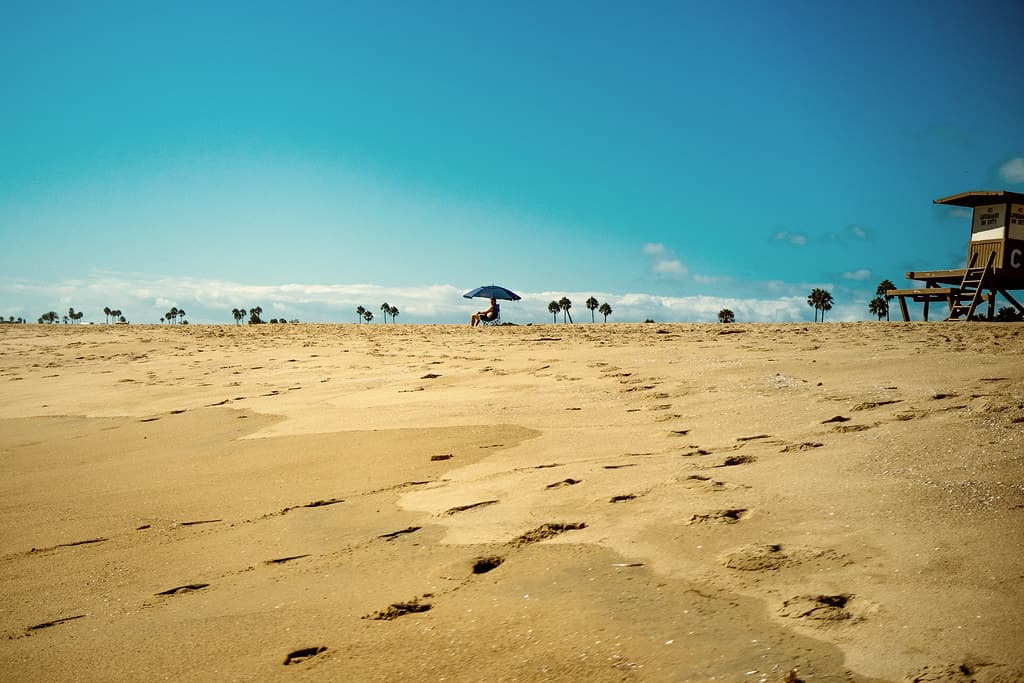
The bluffs above Marguerite Avenue frame Corona del Mar State Beach like parentheses, creating a sandy amphitheater where shore break rolls in predictable three-wave sets. You'll feel coarse sand underfoot—less powder, more grip—and notice how the rocky outcrops at either end trap warmth even when fog clings to the Newport Pier a mile north. Low tide exposes tide pools studded with ochre sea stars and hermit crabs the size of quarters, drawing children who kneel on barnacle-encrusted shelves with plastic buckets.
The south end (locally called Little Corona) pulls bodysurfers and snorkelers toward submerged rock gardens where garibaldi flash neon orange against kelp shadows. You can rent gear from the shack on PCH or bring your own; visibility tops fifteen feet on calm mornings before noon wind chop stirs the sand. Lifeguard towers bookend the main beach, and restrooms sit beneath the parking lot where cypress trees lean east from decades of onshore wind.
 Credit: Unsplash
aerial view of beach during daytime
 Credit: Unsplash
bird's eye photography of body of water
North rocks hide garibaldi clusters
Low tide exposes sea stars
Twelve pits, first-come claiming
Where it is
Corona del Mar State Beach
Newport Beach, California, USA
33.593700°, -117.876600°
Weather
Loading…
Swell
—
Temp
Warm · Restorative
UV Index
Moderate
Wind
—
Tidal State
Last known
Max Sunlight
—
Ideal Shade
—
May - Sep (Peak)
Jan - Dec (Off-season)
Historical data suggests peak visibility and stable sea temperatures occur during the prime visitation window.
Select a category to load nearby places.
Unlock restaurants, luxury stays and curated maritime experiences within 2km
Corona del Mar State Beach is generally safe for swimming due to its sheltered cove location, which provides calmer waters compared to more exposed beaches. The beach features a protective rock jetty that reduces wave intensity. Lifeguards are on duty seasonally, typically from Memorial Day through Labor Day. The sandy bottom slopes gradually, making it suitable for families with children. However, always check posted flags and ask lifeguards about current conditions, as rip currents can occasionally occur. Morning hours usually offer the calmest conditions for swimming.
Corona del Mar State Beach is enjoyable year-round thanks to Southern California's mild climate. Summer (June-August) offers warmest water temperatures around 65-68°F and longest days, but expect larger crowds and limited parking. Spring and fall provide excellent alternatives with pleasant weather, fewer visitors, and easier parking. Winter features dramatic sunsets and good tidepooling, though water is cooler. For the best experience, visit on weekday mornings during shoulder seasons. Early arrival is crucial during summer weekends, as the small beach fills quickly.
Parking at Corona del Mar State Beach is limited and highly competitive, especially in summer. The main lot is small and located directly above the beach on Ocean Boulevard. Street parking is available on nearby residential streets, but spaces fill early on weekends. Metered parking typically costs $1.50-$2.00 per hour. Arrive before 9am on summer weekends for the best chance of finding spots. Alternatively, consider biking or using rideshare services. Note that parking enforcement is active, so observe all posted restrictions carefully.
Corona del Mar offers excellent dining and amenities within walking distance. The nearby Corona del Mar Village, just blocks away, features cafes, restaurants, ice cream shops, and boutiques. The beach itself has restrooms, outdoor showers, and seasonal lifeguard services. Popular nearby eateries include waterfront restaurants along Pacific Coast Highway. For groceries and beach supplies, small markets are available in the village. While there are no hotels directly at the beach, Newport Beach offers numerous accommodations ranging from luxury resorts to vacation rentals within a short drive.
Corona del Mar features exceptional tidepools at the base of the rocky outcroppings on both ends of the beach, particularly near the eastern rocks. These tide pools are best explored during low tide, when you can observe sea anemones, crabs, starfish, and small fish in natural pools. Winter and early spring typically offer the lowest tides for optimal viewing. Always wear sturdy water shoes, as rocks can be slippery. Remember to look but not touch or remove marine life, as the area is protected. Check tide charts before your visit.
Photos