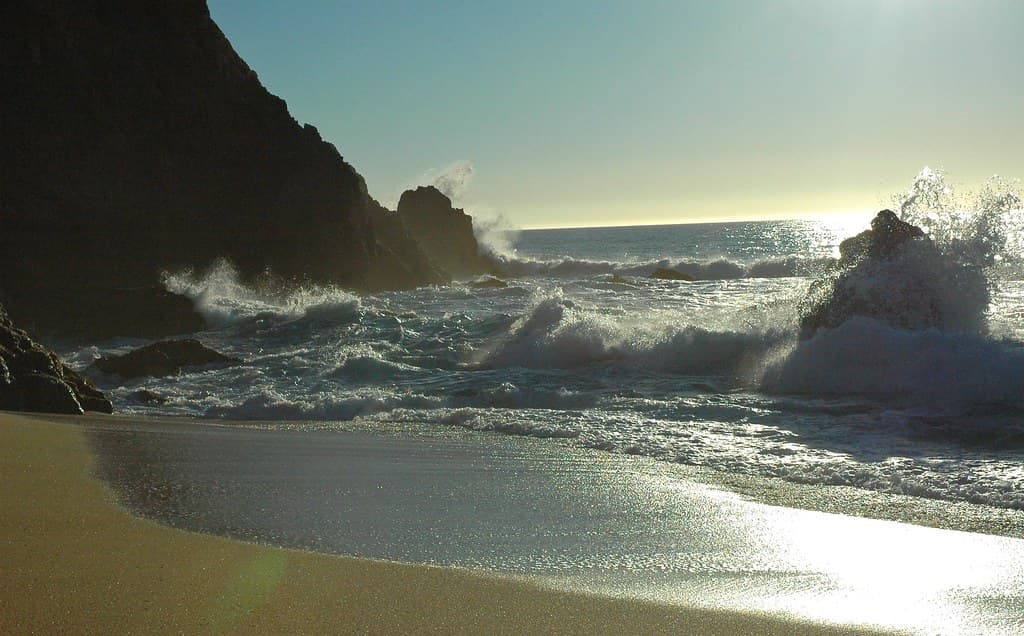
Counting the waves…
Counting the waves…

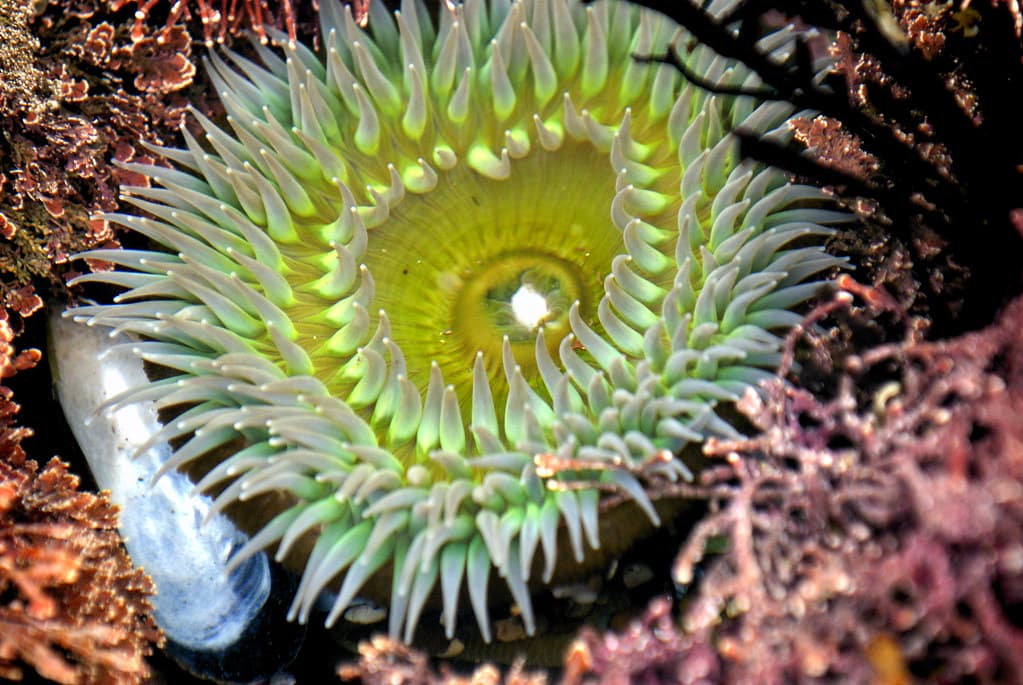
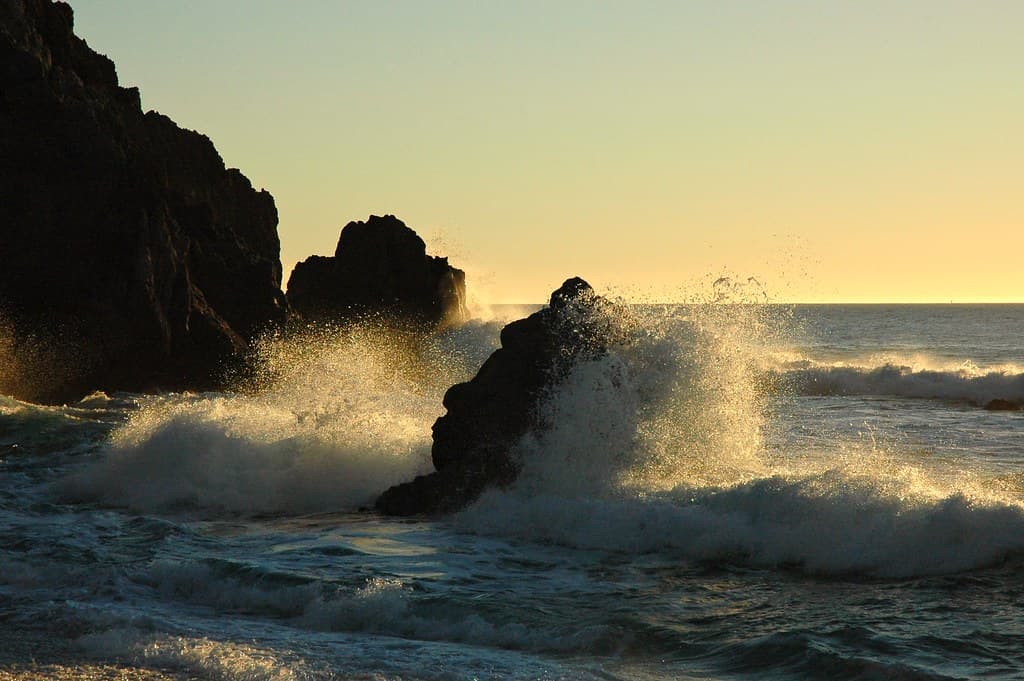
Pull off Highway 1 at the weathered trailhead sign, and you'll descend wooden stairs carved into the bluff face, each step revealing more of Montara's grey-sand expanse below. The beach unfolds in a wide arc, bordered north by the rocky promontory of Point Montara and south by Martins Beach's private gates. Driftwood logs, bleached silver by sun and tide, line the high-tide mark like scattered bones. The surf here pounds with a steady, hypnotic rhythm—powerful enough to demand respect, consistent enough to draw wetsuited regulars who know the break's moods. When the marine layer burns off by noon, the bluffs glow golden-brown against cobalt sky, and tide pools appear among the southern rocks, their surfaces reflecting cloud movements overhead. Harbor seals sometimes haul out on distant boulders, their dark shapes blending into the kelp-strewn shoreline. You'll share this stretch with dog walkers in the morning, surfers timing the swell, and couples who arrive an hour before sunset to watch light fracture through offshore mist. The cold doesn't matter as much as you'd think—not when the wind carries the scent of eucalyptus down from the hillside and pelicans skim the wave faces in perfect formation. Montara asks nothing of you except attention.
Places, rentals, tours and events within walking and driving distance of Montara State Beach.
Photos
Swimming at Montara State Beach is generally not recommended due to strong currents, cold water temperatures, and unpredictable waves. The beach is popular with experienced surfers, but even they exercise caution. Rip currents are common, and there are no lifeguards on duty. The water temperature averages 50-60°F year-round, requiring wetsuits. Wading and beachcombing are safer options. Always supervise children closely near the water and never turn your back on the ocean, as sneaker waves can occur unexpectedly along this stretch of California coast.
Montara State Beach is accessible year-round, but each season offers different experiences. Spring and fall typically provide the most comfortable weather with fewer crowds and clearer skies for enjoying dramatic coastal views. Summer brings fog, especially in the mornings, though afternoons can clear up. Winter offers excellent storm watching and spectacular sunsets, but expect wind and rain. For surfing, winter swells are largest. Weekdays are quieter than weekends. Arrive in late afternoon for stunning sunset views over the Pacific, which are particularly magnificent during clear winter evenings.
Montara State Beach is located along Highway 1, approximately 20 miles south of San Francisco and 8 miles north of Half Moon Bay. From Highway 1, turn at the signed entrance near the Montara Lighthouse (Point Montara Light Station). A free dirt parking lot accommodates vehicles, though spaces fill quickly on sunny weekends. The lot is small, so arrive early for best availability. There's no public transportation directly to the beach. The parking area provides immediate beach access via a short path down to the sand.
Montara State Beach has minimal on-site amenities—just restrooms and the parking area. No food, water, or lifeguard services are available. The nearby Point Montara Lighthouse Hostel offers budget lodging with ocean views. For dining, head to the small community of Montara (2 miles north) where you'll find a few casual restaurants and cafes. More extensive dining and lodging options are available in Pacifica (8 miles north) or Half Moon Bay (8 miles south), including seafood restaurants, hotels, and grocery stores for picnic supplies.
The dramatic bluffs surrounding Montara State Beach create a striking natural amphitheater and provide excellent vantage points for photography and whale watching during migration season (December-May). The headlands offer scenic hiking trails with panoramic Pacific Ocean views. The contrast between the wide sandy beach below and the rugged bluffs above makes this location particularly photogenic, especially during golden hour. The McNee Ranch State Park trails connect to the bluffs, extending hiking opportunities. These geological features also provide some wind protection, creating microclimates along different sections of the beach.