Counting the waves…
Counting the waves…

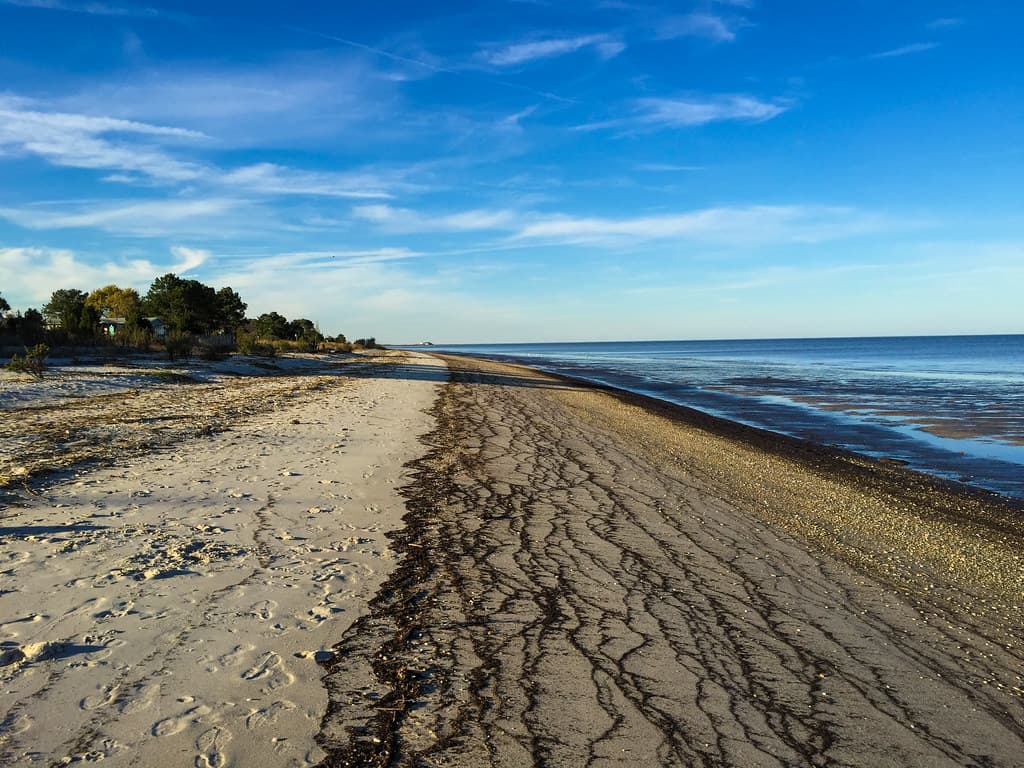
The road into Pickering Beach dead-ends at a public ramp where pickups back boat trailers into the shallows and herons stalk the shoreline. This is Delaware Bay at its most unvarnished: a working waterfront where crab pots stack beside shingled cottages and the beach itself feels like an afterthought to the fishing culture that defines Magnolia. The sand runs coarse underfoot, studded with horseshoe crab shells and smoothed oyster fragments that catch afternoon light. Low tide reveals acres of glistening flats where shorebirds probe for mollusks, their silhouettes stark against the bay's khaki-colored water. The pier—weathered planks supported by barnacle-encrusted pilings—extends just far enough for anglers to cast for white perch and croaker. You won't mistake this for an Atlantic beach; the waves are gentle, the water brackish, and the vibe resolutely local. Come at dawn when mist rises off the bay and the only sound is the slap of halyards against masts in the small marina. Or arrive near sunset, when the western sky ignites behind the distant shore and the mud flats turn to burnished copper. Either way, you'll have the sand mostly to yourself—exactly as Pickering Beach regulars prefer it.
Places, rentals, tours and events within walking and driving distance of Pickering Beach.
Photos
Pickering Beach is generally not recommended for swimming due to strong currents, muddy bottom conditions, and limited lifeguard services. The beach sits along the Delaware Bay, where waters can be murky and shallow areas transition quickly to deeper channels. Most visitors enjoy the beach for walking, beachcombing, fishing, and wildlife watching rather than swimming. If you plan to wade, stay close to shore and supervise children carefully. Always check local conditions and be aware that jellyfish can be present during warmer months.
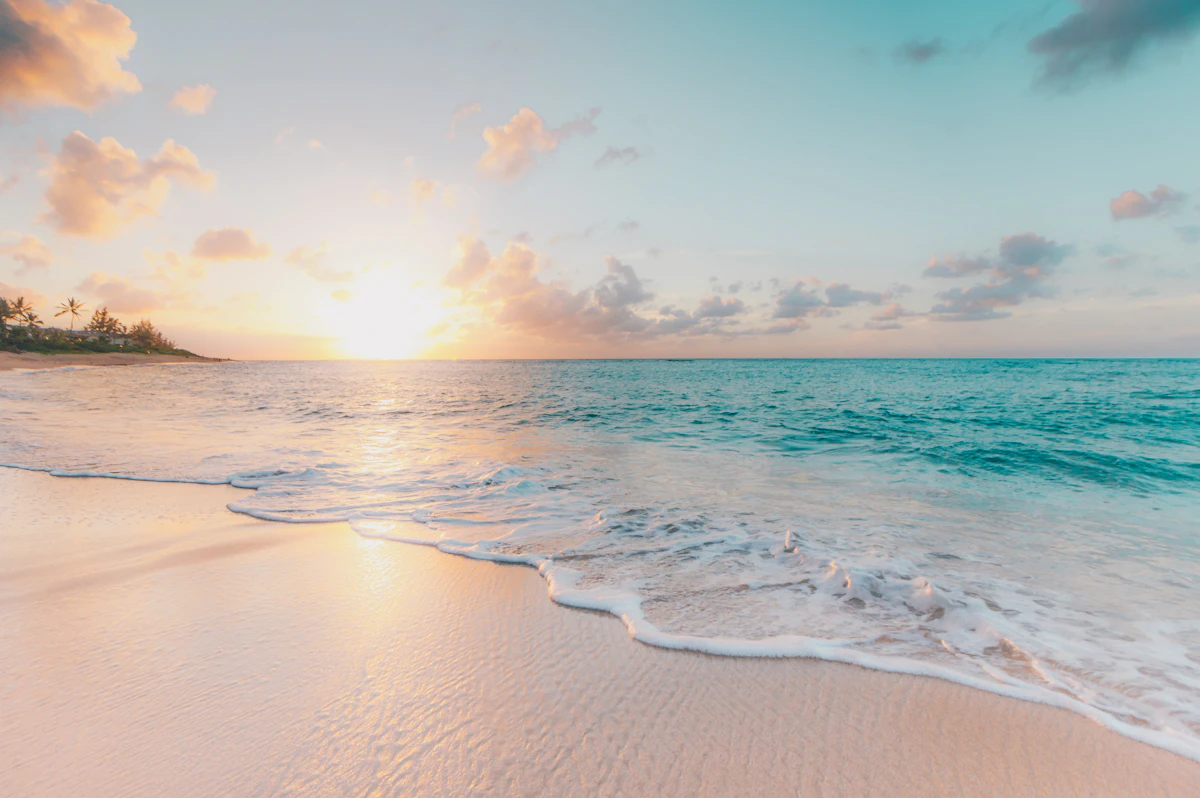
Pickering Beach offers year-round appeal, with each season providing different experiences. Summer (June-August) is warmest for beach activities and sunset viewing, though more crowded. Spring and fall are excellent for migratory bird watching and comfortable temperatures ideal for walking and photography. Winter attracts solitude-seekers and offers dramatic coastal scenery. For the most pleasant weather with fewer crowds, visit during May-June or September-October. Early mornings and evenings provide the best lighting for the scenic views across Delaware Bay.
Pickering Beach is located off Route 9 near Magnolia, Delaware, approximately 15 miles south of Dover. From Route 9, turn onto Pickering Beach Road and follow it to the bay. Parking is available in small, unpaved lots near the beach access points and is typically free. Space is limited, especially during peak summer weekends, so arrive early if possible. The beach is accessible by car only; there is no public transportation. Roads are narrow and residential, so drive carefully and respect private property.
Pickering Beach is a quiet residential area with very limited amenities directly on-site. There are no restaurants, shops, or public restrooms at the beach itself, so plan accordingly and bring supplies. The nearest dining and lodging options are in nearby towns like Frederica (about 5 miles) or Dover (15 miles), which offer various restaurants, hotels, and grocery stores. Some visitors rent private vacation homes in the Pickering Beach community. Pack food, drinks, and any beach supplies you'll need before arriving.
Unlike Delaware's crowded ocean beaches, Pickering Beach remains a peaceful, undeveloped bay-side retreat favoured by locals. Its location on Delaware Bay rather than the Atlantic Ocean means fewer tourists and a more tranquil atmosphere. The beach offers stunning sunset views across the water, excellent opportunities for fossil hunting and beachcombing, and productive fishing spots. The lack of commercial development preserves its natural character, making it perfect for those seeking solitude and scenic beauty away from typical beach crowds and boardwalks.