Counting the waves…
Counting the waves…

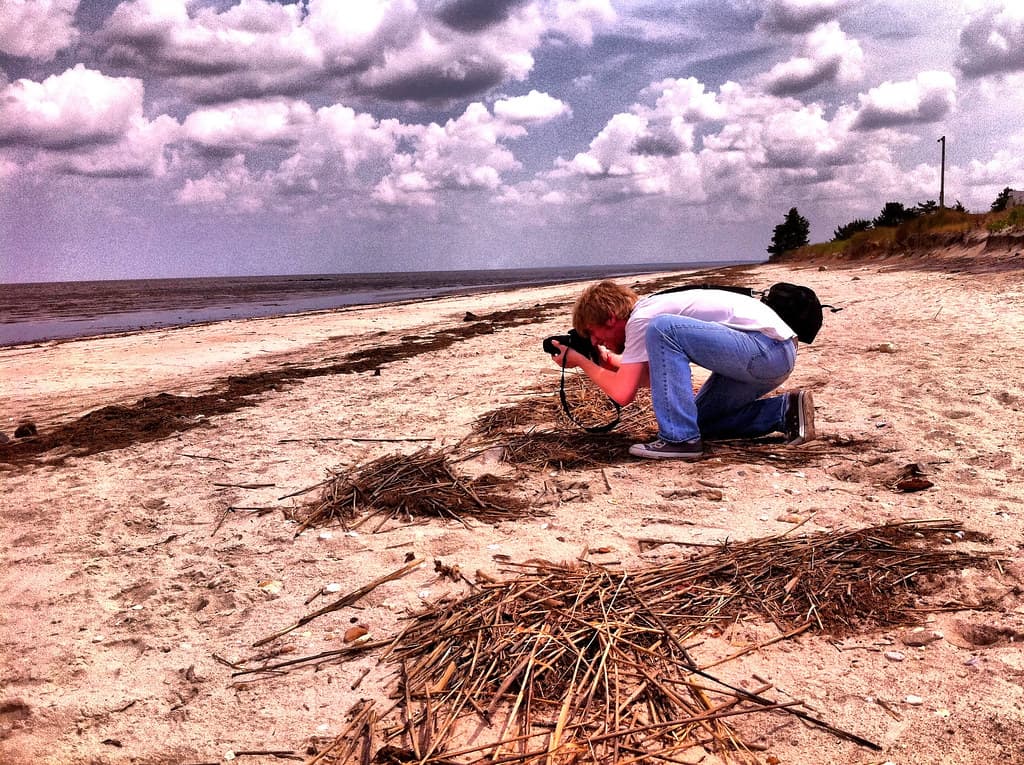
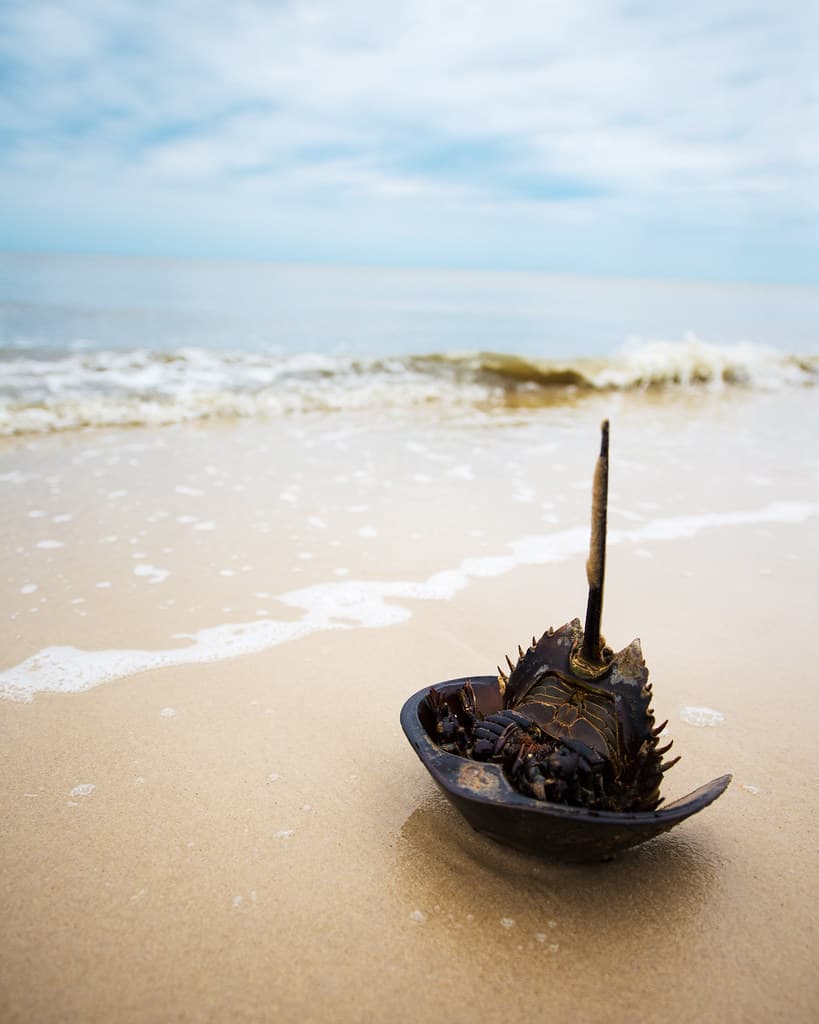
Bombay Hook Beach sits at the edge of a 16,000-acre wildlife refuge, a place where the Delaware Bay's brackish water meets shell-strewn sand under vast, uninterrupted sky. You won't find beach umbrellas or concession stands here—just pickleweed, phragmites, and the occasional great blue heron stalking through shallows the color of weak tea. The beach itself is a thin, windswept strip where horseshoe crab shells bleach white in the sun and broken oyster fragments crunch underfoot. Come in May and you'll witness one of North America's most important migratory stopovers: red knots, ruddy turnstones, and sanderlings arriving from South America to feast on horseshoe crab eggs, doubling their body weight before continuing to Arctic breeding grounds. The spectacle draws birders with telephoto lenses and field guides, all scanning the mudflats where thousands of shorebirds probe and pivot in synchronized feeding frenzies. Even outside migration season, the refuge delivers bald eagles, snow geese in winter, and nesting herons in summer. The swimming is shallow and murky, better suited to wading than diving, but that's precisely the point. This beach belongs to the birds first, visitors second. You'll leave with sand in your shoes, salt on your skin, and the strange, prehistoric sight of horseshoe crabs—unchanged for 450 million years—scuttling through tide pools at your feet.
Places, rentals, tours and events within walking and driving distance of Bombay Hook Beach.
Photos
Bombay Hook Beach is primarily a wildlife viewing area rather than a swimming beach. The waters are part of a tidal estuary with strong currents, mudflats, and marshlands that make swimming impractical and potentially unsafe. The beach is located within Bombay Hook National Wildlife Refuge, where the focus is on birdwatching and nature observation. Visitors should plan for wildlife photography and walking trails rather than water activities. Always check with refuge staff about current conditions if you're considering any water contact.
Bombay Hook Beach offers year-round wildlife viewing, with peak experiences varying by season. Spring (April-May) and fall (September-November) bring massive migratory bird populations, including shorebirds and waterfowl. Winter attracts snow geese and bald eagles. Summer offers comfortable weather for walking trails, though it can be hot and buggy. Early morning visits typically provide the best wildlife activity regardless of season. The refuge is open daily from sunrise to sunset, making it accessible for dedicated birdwatchers throughout the year.
Bombay Hook Beach is located within Bombay Hook National Wildlife Refuge, approximately 8 miles east of Smyrna, Delaware. From Smyrna, take Route 9 east and follow signs to the refuge entrance. There's a visitor contact station where you'll pay an entrance fee (typically $4 per vehicle or use federal passes). Parking is available at the visitor center and at various trailheads throughout the 12-mile auto tour route. The refuge is well-signposted and accessible by car, though public transportation options are limited in this rural area.
Bombay Hook Beach has no on-site food services or lodging within the wildlife refuge. The nearest town is Smyrna (8 miles west), which offers chain restaurants, local diners, and several hotels. Leipsic, a small village closer to the refuge, has limited dining options. Dover, about 15 miles away, provides more extensive accommodation and restaurant choices. Visitors should bring water and snacks, as facilities within the refuge are minimal. The refuge has restrooms at the visitor center but no food vendors or picnic areas with amenities.
Bombay Hook Beach is renowned for exceptional bird diversity, with over 300 species recorded. Migrating shorebirds like dunlins, dowitchers, and sandpipers appear in huge numbers during spring and fall. Snow geese create spectacular displays in winter, sometimes numbering in the thousands. Great blue herons, egrets, and ibises are common in warmer months. Raptors including bald eagles and peregrine falcons hunt the marshes. The refuge's mix of salt marsh, freshwater pools, and mudflats creates ideal habitat. Bring binoculars and check the refuge website for recent sightings.