Counting the waves…
Counting the waves…

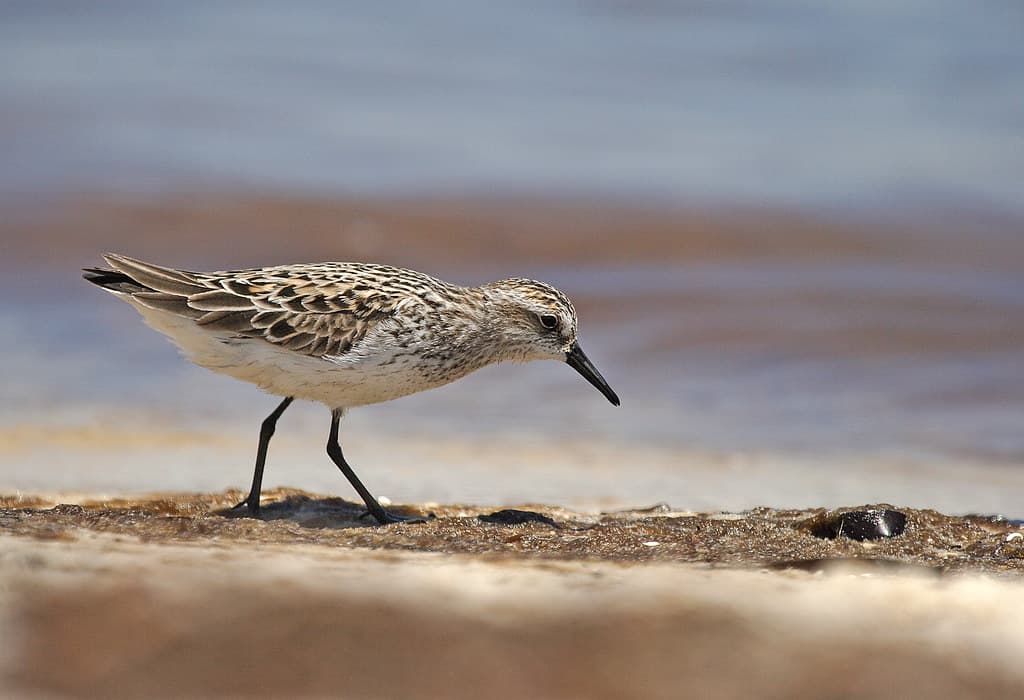
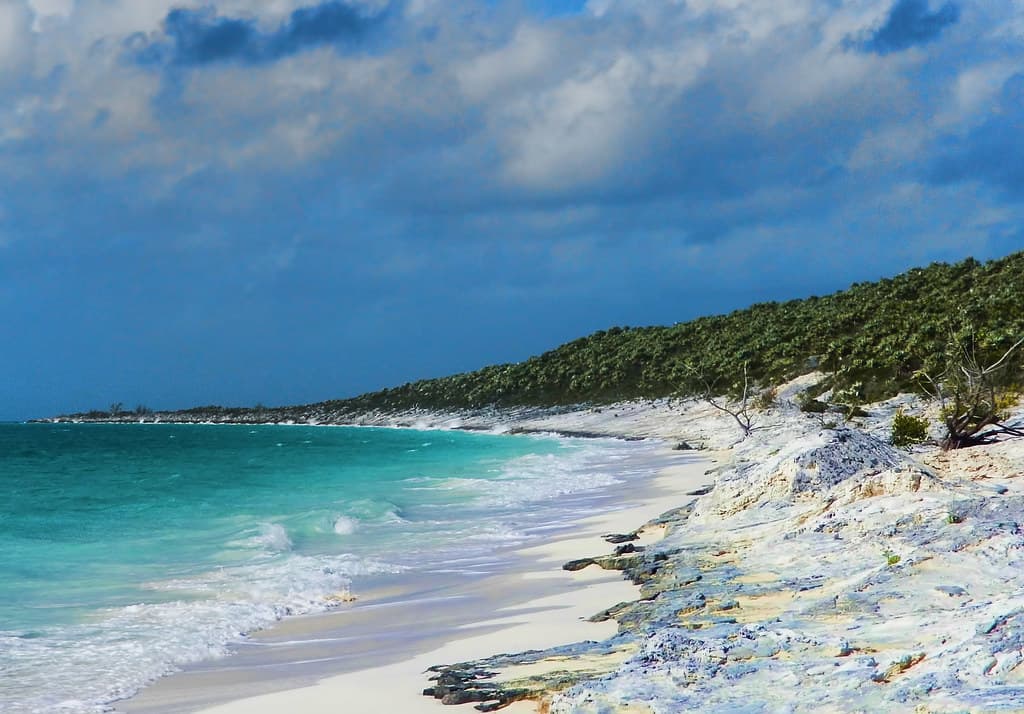
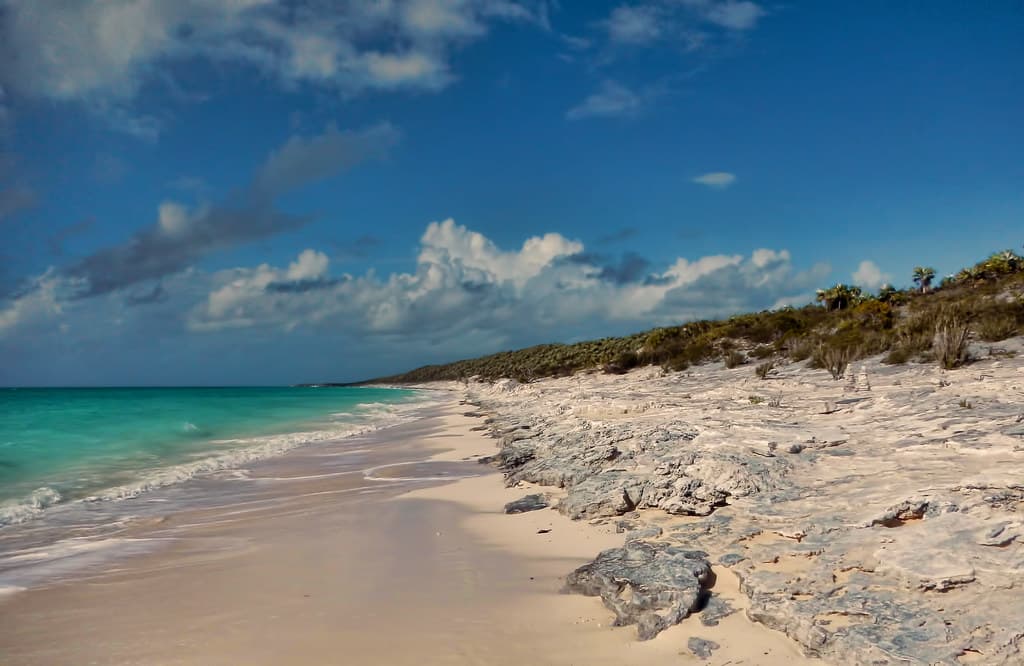
Alligator Point stretches along a slender peninsula where Franklin County meets the Gulf, a place the resort developers overlooked. You park beneath gnarled live oaks and step onto sand the color of raw turbinado sugar, littered with intact shells—coquinas, arks, scallops—that draw beachcombers at dawn with mesh bags and sun hats. The water stays shallow for what feels like a football field, warm and tea-tinted from the tannins upstream, perfect for wading toddlers and older dogs who've grown cautious of waves. The eight-mile strand curves gently southwest, edged by dunes stitched together with sea oats and railroad vine. Most days you share the beach with brown pelicans skimming the surface and the occasional fisherman standing thigh-deep, casting for redfish. Wooden beach houses on pilings—painted turquoise or left to gray—punctuate the low skyline, their screened porches facing the water. No boardwalks, no tiki bars, no jet-ski rentals. Sunset here is a quiet production: the sky goes tangerine, then violet, and the shrimpers' lights begin to glow offshore. You'll hear the wind in the pines and the rhythmic wash of low surf, and if you're lucky, the chatter of a dolphin pod working bait fish just beyond the sandbar. This is old Florida, the version that asks nothing of you but attention.
Places, rentals, tours and events within walking and driving distance of Alligator Point Beach.
Photos
Alligator Point Beach is generally safe for swimming, with calm, shallow waters that make it ideal for families. The gentle Gulf waters rarely have strong currents, though you should always check local conditions before entering. Despite the name, alligator sightings on the beach itself are extremely rare, though they do inhabit nearby marshes and freshwater areas. Be aware of seasonal jellyfish and stingrays (shuffle your feet when entering). There are no lifeguards on duty, so swim at your own risk and supervise children closely.
Alligator Point Beach is enjoyable year-round, with each season offering something different. Spring and fall provide the most comfortable weather with temperatures in the 70s-80s°F and fewer crowds. Summer brings warm Gulf waters perfect for swimming but higher humidity and afternoon thunderstorms. Winter offers solitude and excellent shelling after cold fronts, though water temperatures drop to the 60s. For shell collecting, visit after storms or during low tide. Sunsets are spectacular any time of year, making this a year-round destination.
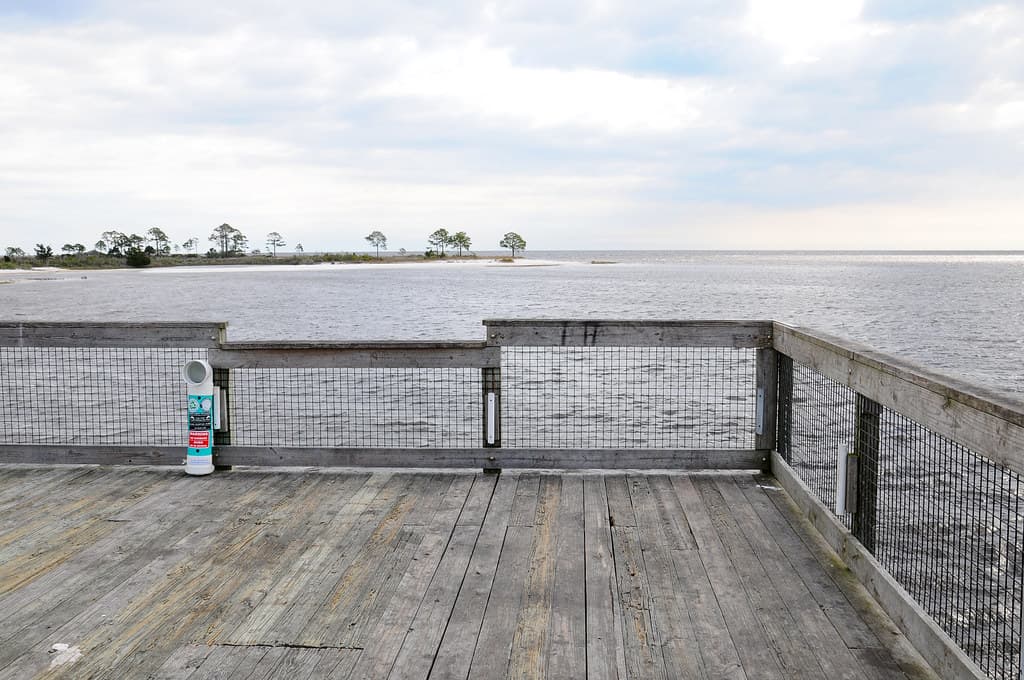
Alligator Point Beach is located about 45 minutes south of Tallahassee via US-319 and County Road 370. From Highway 98, turn south onto Alligator Point Road and follow it to the point. Parking is available at Alligator Point Public Beach Access with a small parking area and boardwalk access to the beach. Additional street parking is available along Alligator Drive. The area is relatively undeveloped, so arrive early during peak season to secure a spot. Four-wheel drive isn't necessary as the access points are paved.
Alligator Point is a quiet, residential area with limited commercial development. Dining options are sparse locally; the nearest restaurants and grocery stores are in Panacea, about 10 miles away, or Carrabelle to the east. Accommodations consist mainly of vacation rental homes and cottages rather than hotels. The Alligator Point KOA offers RV and tent camping with Gulf views. For more dining and lodging variety, plan a short drive to nearby communities. Bring your own food and supplies for a day trip, as there are no beachfront concessions.
Alligator Point Beach is renowned among shell collectors for its eight-mile stretch of relatively undisturbed shoreline. The shallow waters and strategic location where Ochlockonee Bay meets the Gulf create ideal conditions for shells to wash ashore. Common finds include scallops, sand dollars, tulips, whelks, and lightning whelks. The best shelling occurs during low tide, after storms, or following cold fronts in winter. Early morning visits offer the best selection before other collectors arrive. The uncrowded, old-Florida character means shells are more abundant than at heavily trafficked beaches.