Counting the waves…
Counting the waves…

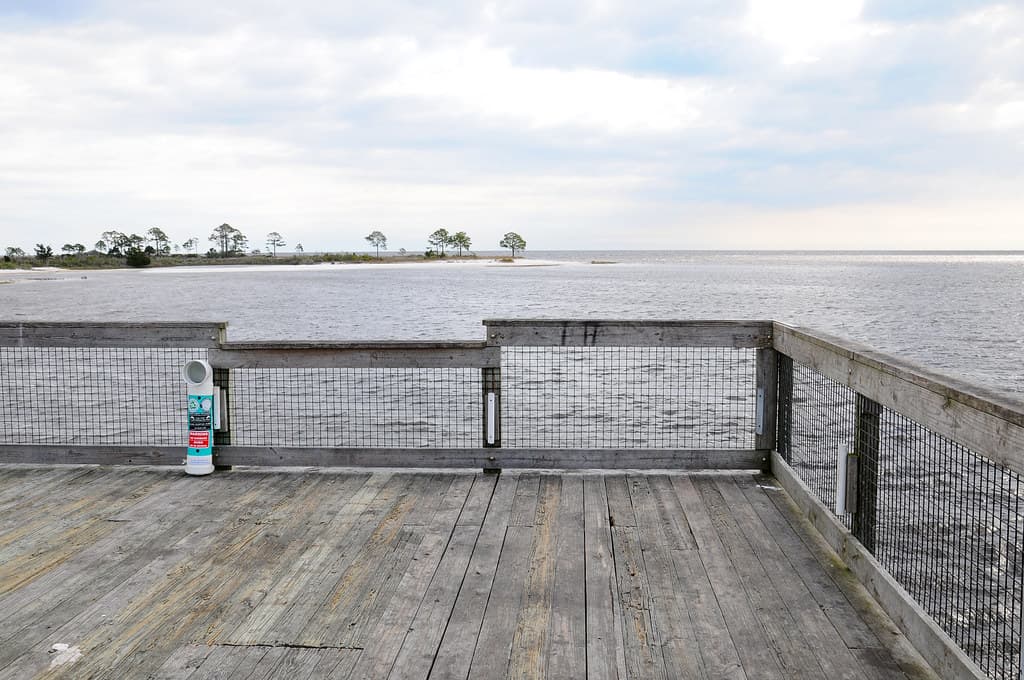
The drive alone tells you this beach operates by different rules. Highway 370 threads through longleaf pine and palmetto scrub before dead-ending at a state park where the shoreline splits into three distinct faces: Gulf beach to the south, bay shore to the north, and a wild marsh edge where wading birds stalk the shallows. You'll walk barefoot across hard-packed sand still ridged from the last high tide, dodging ghost crab burrows and the occasional horseshoe crab shell bleached white by sun. The water here runs shallow for a hundred yards, warm as bathwater by midday, the color of sweet tea over sand bars that shift with every nor'easter. Families wade out to sandbars that appear at low tide, temporary islands where you can stand waist-deep and watch mullet dimple the surface. The beach curves gently, framed by saw palmettos and stunted oaks shaped by Gulf wind into permanent lean. What you won't find: beach bars, jet ski rentals, or volleyball nets. What you will: the rhythmic chuck of a brown pelican hitting the water, the sulfur smell of marsh at low tide, and enough solitude to hear your own footsteps in wet sand. The lighthouse at nearby Alligator Point blinks white across the water after dark, a slow metronome marking time in a place that refuses to hurry.
Places, rentals, tours and events within walking and driving distance of Bald Point State Park Beach.
Photos
Swimming is generally safe at Bald Point State Park Beach, though conditions vary with weather and tides. The beach sits where Ochlockonee Bay meets the Gulf of Mexico, creating calmer waters compared to open Gulf beaches. Wade carefully as the bottom can be uneven with oyster bars and shallow areas. There are no lifeguards on duty, so swim at your own risk. Check weather forecasts before visiting, and avoid swimming during storms or rough surf. The shallow, protected waters make it relatively family-friendly for wading and beach play.
Bald Point State Park Beach is accessible year-round, with each season offering different experiences. Spring and fall provide comfortable temperatures (65-80°F) and fewer crowds, ideal for hiking, birdwatching, and beachcombing. Summer brings warmer water and peak beach weather, though higher humidity and afternoon thunderstorms are common. Winter months are quieter and cooler, perfect for wildlife viewing and peaceful walks. Sunrise and sunset visits are particularly scenic. The park opens at 8am daily, so plan accordingly. Weekdays are typically less crowded than weekends throughout the year.
From Tallahassee, take US-319 South to Panacea, then follow signs to Bald Point State Park via Bald Point Road—about a 45-minute drive total. The park entrance has a paved parking area near the beach access. There's a $4 per vehicle entrance fee (Florida residents) or $5 for non-residents. The final approach is a somewhat remote drive through coastal wilderness, so ensure you have adequate fuel and supplies before heading out. GPS coordinates work reliably, but cell service can be spotty in the area.
The nearby town of Panacea (about 8 miles away) offers a few seafood restaurants and small eateries, though options are limited. For more dining choices, Crawfordville is approximately 20 miles north. The park itself has no lodging, but Panacea and surrounding areas have vacation rentals, small motels, and RV parks. The park does have basic amenities including restrooms and picnic pavilions, but no food concessions. Plan to bring your own food, drinks, and beach supplies, as this is a more remote, natural setting with minimal commercial development nearby.
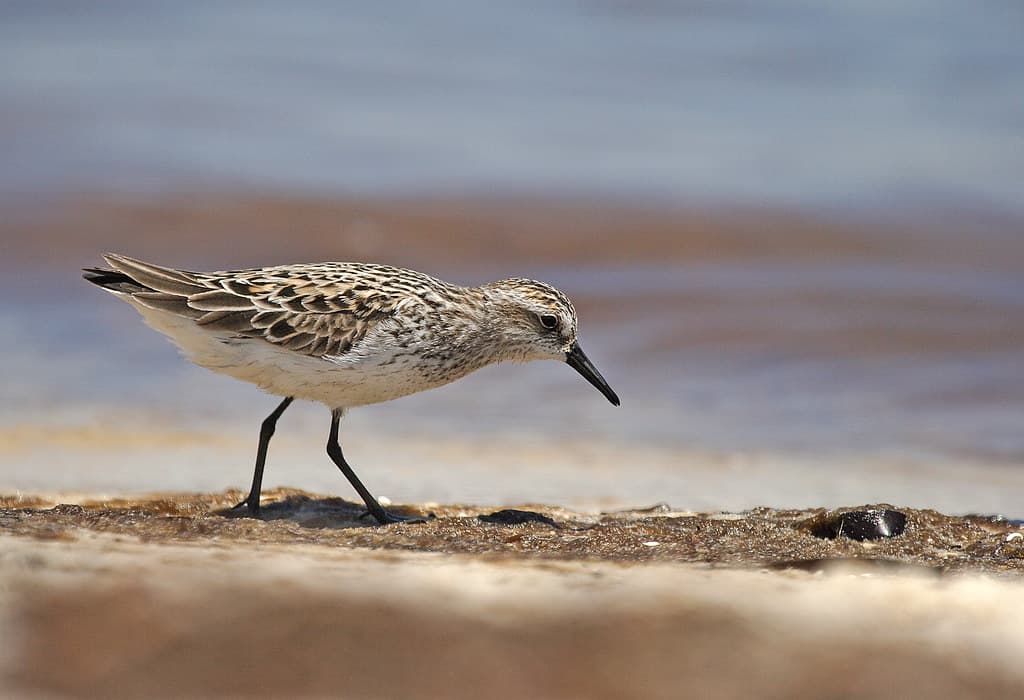
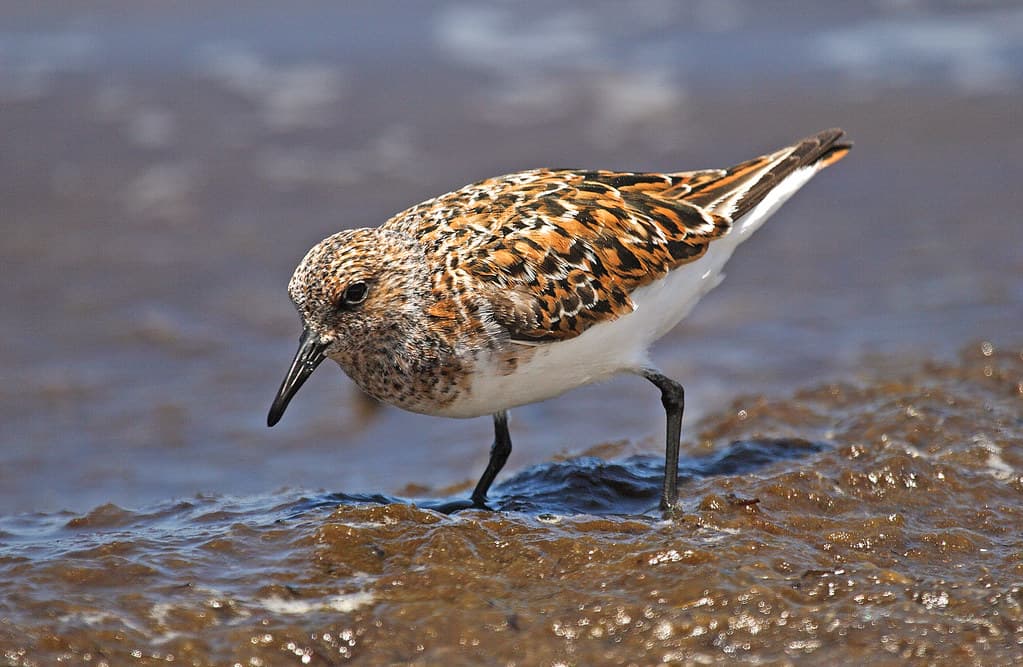
Bald Point State Park is exceptional for wildlife viewing, particularly birds. The park sits along a major migratory bird route, attracting shorebirds, wading birds, and raptors seasonally. You might spot dolphins offshore, especially in warmer months. The diverse habitats—including salt marshes, pine flatwoods, and coastal dunes—support deer, raccoons, and various reptiles. Sea turtles nest on the beach during summer. Bring binoculars for birdwatching, and walk quietly along trails for best viewing opportunities. The park's undeveloped character makes wildlife encounters more likely than at developed beaches.