Counting the waves…
Counting the waves…

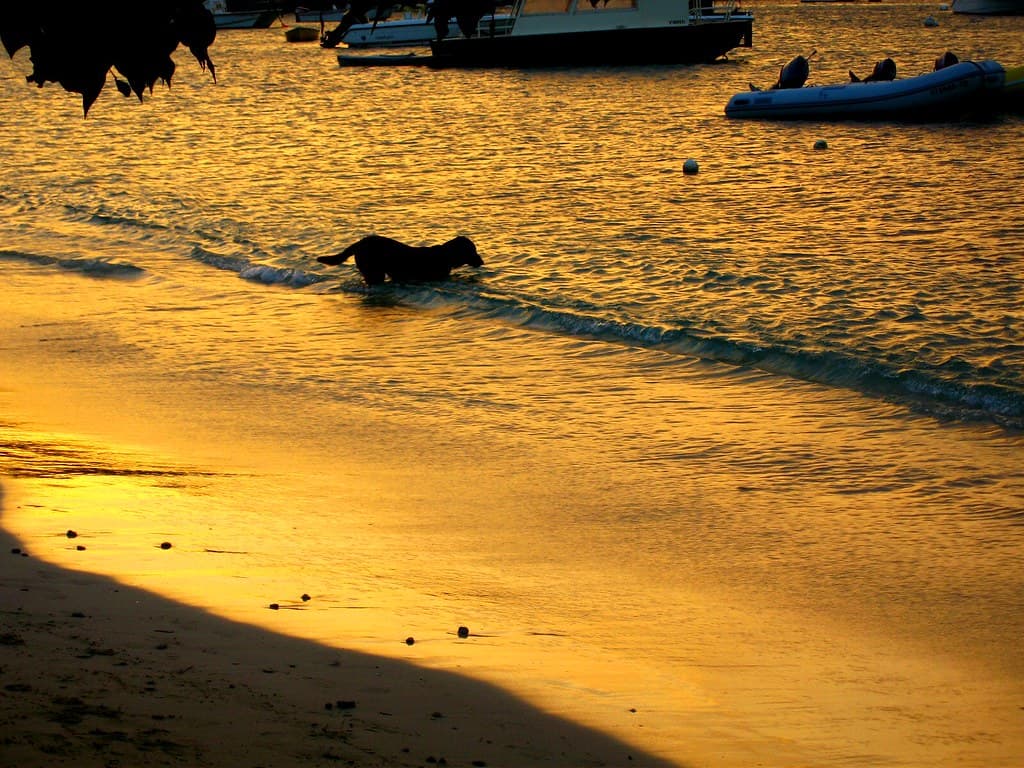
Carrabelle Beach divides itself between two modest parks—Carrabelle Beach Dog Park and the adjacent public beach—bookending a working waterfront where fishing nets still dry on wooden piers. The sand here isn't the blinding quartz you'll find sixty miles west; it's cream-colored and packed firm, speckled with coquina shells that click underfoot. What the Forgotten Coast lacks in postcard polish, it delivers in practicality: the water remains shallow and placid, protected by offshore sandbars that break whatever modest waves the Gulf musters. You'll share the beach with mullet fishermen casting nets at dawn, families spreading blankets under the handful of pavilions, and dogs sprinting leash-free in the designated zone. The parks offer concrete boat ramps, picnic tables weathered silver-grey by sun and spray, and not much else—no lifeguards, no snack shacks, no volleyball nets staked into the sand. By late afternoon, the light turns amber and the water mirrors the sky in shades of rose and lavender. This is coastal Florida stripped to its essentials: a place to spread a towel, wade until your calves ache, and watch brown pelicans fold their wings into kamikaze dives. The shrimp fleet returns as the sun drops, trailing gulls and the smell of diesel, reminding you that some stretches of Gulf shoreline still belong to people who work the water, not just those who visit it.
Places, rentals, tours and events within walking and driving distance of Carrabelle Beach.
Photos
Carrabelle Beach is excellent for families with children due to its calm, sheltered waters along the Gulf of Mexico. The twin beach parks feature gentle waves and shallow areas perfect for young swimmers. The beaches have sandy bottoms with minimal rocks or sharp shells. Lifeguards are not typically on duty, so adult supervision is essential. The calm conditions make it safer than open Gulf beaches, though always check local weather and water conditions before entering. The protected location along Carrabelle's coast generally provides a more relaxed swimming environment than nearby barrier island beaches.
Carrabelle Beach welcomes visitors year-round, with each season offering distinct advantages. Spring (March-May) and fall (September-November) provide comfortable temperatures, fewer crowds, and pleasant water conditions. Summer brings warm Gulf waters ideal for swimming but higher humidity and afternoon thunderstorms. Winter offers mild weather and solitude, though water temperatures cool significantly. The beach faces southwest, making it exceptional for sunset viewing throughout the year. For the best overall experience with manageable crowds and comfortable weather, plan your visit during April-May or October-November when temperatures range from the 70s to low 80s.
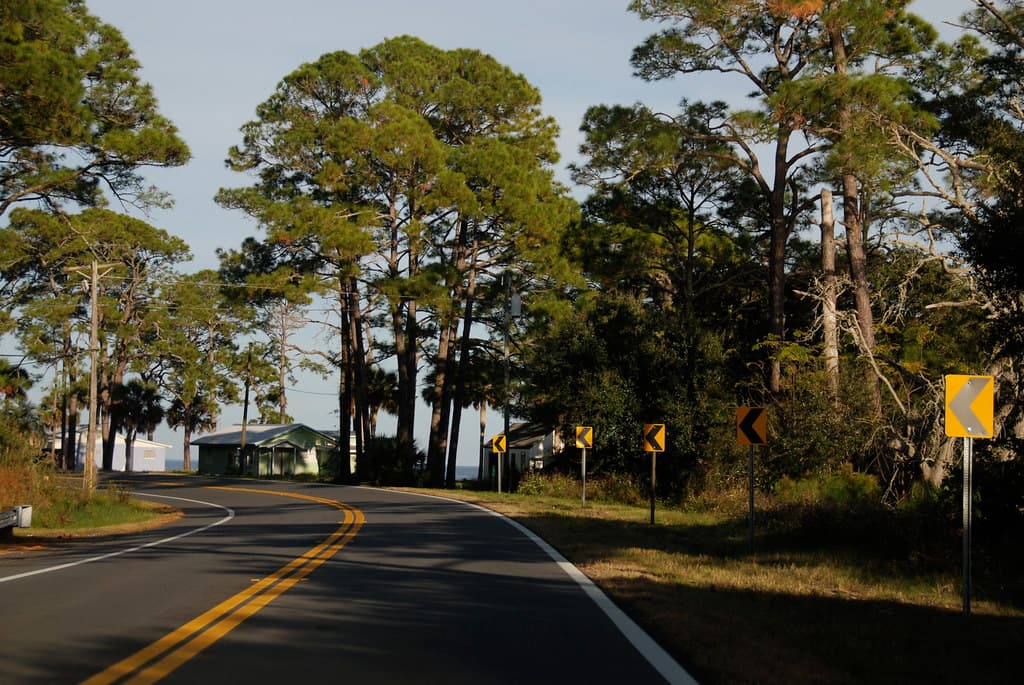
Carrabelle Beach features two main access points with parking: Carrabelle Beach Park and nearby Barge Landing Park, both located along Highway 98 in downtown Carrabelle. The parks offer free public parking in designated lots with easy beach access. From Tallahassee, take Highway 319 south to Highway 98 east (approximately 60 miles). From Panama City, head east on Highway 98 for about 60 miles. Both beach parks are clearly marked from the main highway. Parking fills quickly on summer weekends and holidays, so arriving early is recommended during peak season.
Carrabelle offers several dining options within walking distance or a short drive from the beach, including seafood restaurants, casual cafes, and waterfront eateries serving fresh Gulf catch. Downtown Carrabelle, located adjacent to the beach parks, features local restaurants and shops. Accommodation options include small motels, vacation rentals, and RV parks in the immediate area. For more extensive lodging choices, nearby Apalachicola (10 miles east) and St. George Island provide additional hotels, inns, and vacation homes. The beach parks have basic amenities including restrooms, picnic pavilions, and outdoor showers.
Carrabelle Beach sits within Florida's "Forgotten Coast," a nickname referring to the undeveloped stretch of Gulf coastline between Apalachicola and Panama City. This area remained largely overlooked by commercial development that transformed much of Florida's coastline, preserving its natural character and small-town atmosphere. The region's relative isolation helped maintain its authentic fishing village charm and pristine beaches. Carrabelle itself retains its working waterfront heritage while offering accessible beach experiences without high-rise condos or crowded boardwalks. This preservation makes it appealing to travelers seeking quieter, more authentic coastal Florida experiences away from heavily touristed areas.