Counting the waves…
Counting the waves…
A refined fusion of water purity, environmental stability, and communal vibrancy for Fort Myers Beach.
View MethodologyAnalyzed via live sensors and environmental data.
Wave height, wind, and atmospheric stability.
Live footfall and crowd balance metrics.
Community reviews and curated sentiment.
“You'll feel the sugar-fine sand compress beneath your toes the moment you step off the bridge onto Estero Island. The Gulf breeze carries salt and coconut sunscreen, while beach bars pump Jimmy Buffett across a shore…”
Higher weekend density may affect water purity and crowd scores temporarily.
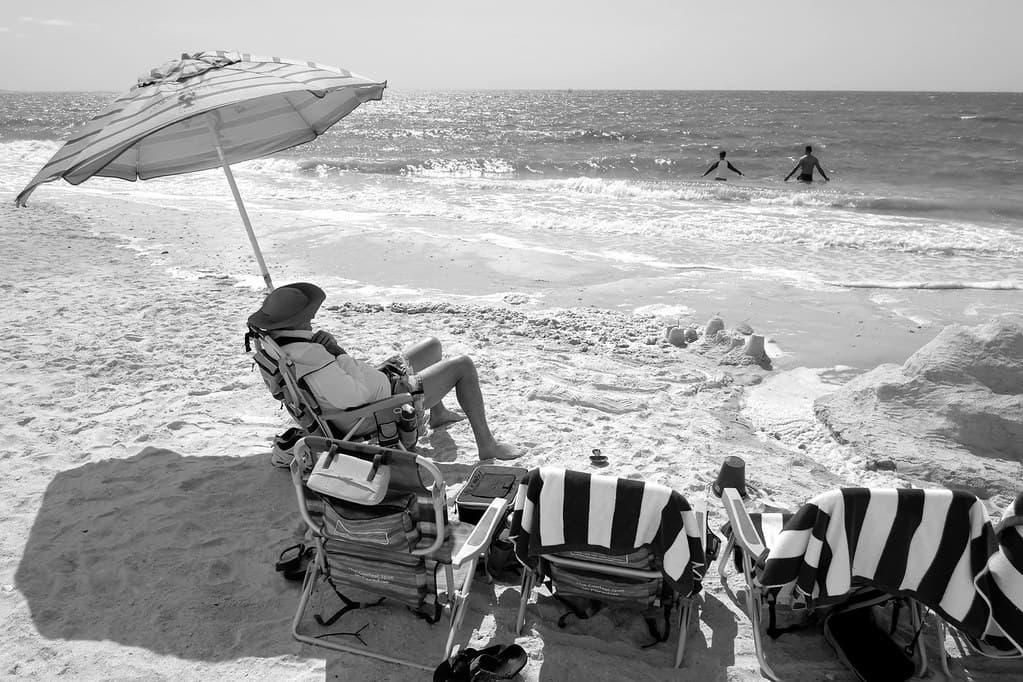
Fort Myers Beach sprawls along Estero Island in a seven-mile ribbon of talc-white sand that never quite empties, even on weekday mornings. The heart of the action pulses along Estero Boulevard, where Times Square—a sun-bleached plaza of tiki bars, T-shirt vendors, and ice-cream stands—spills directly onto the beach. You'll dodge volleyballs, sidestep sandcastle architects, and weave through families hauling neon rafts toward bathwater-warm shallows that stretch a hundred yards before the first sandbar.
The northern stretches near Bowditch Point offer a quieter script: buttonwood mangroves fringing the shore, ospreys circling overhead, and far fewer umbrella forests. Here the sand lightens to an almost blinding white, and the Gulf takes on deeper jade tones where the pass funnels tidal currents. Afternoons hum with paddleboarders gliding over seagrass beds, their shadows drifting across rays buried in the sand.
 Credit: Unsplash
gray wooden bridge near sea
 Credit: Unsplash
a beach with people and a body of water with a sunset
Nightly spectacle at Times Square
Mangrove tunnels near Bowditch Point
Fresh catch at bayside shacks
Where it is
Fort Myers Beach
Fort Myers Beach, Florida, USA
26.452000°, -81.948100°
Weather
Loading…
Swell
—
Temp
Warm · Restorative
UV Index
Moderate
Wind
—
Tidal State
Last known
Max Sunlight
—
Ideal Shade
—
May - Sep (Peak)
Jan - Dec (Off-season)
Historical data suggests peak visibility and stable sea temperatures occur during the prime visitation window.
Near Fort Myers Beach
Explore dining, stays, nightlife, and activities near Fort Myers Beach in Fort Myers Beach, USA. Every listing below is a real place linked to this beach — open a card for reviews, maps, and booking options.
Food, cafés, and dining close to Fort Myers Beach — curated from places linked to this beach.
Stays and lodging options near Fort Myers Beach for your beach trip.
Bars and evening spots near Fort Myers Beach.
Activities, tours, and attractions near Fort Myers Beach.
Select a category to load nearby places.
Unlock restaurants, luxury stays and curated maritime experiences within 2km
Fort Myers Beach is generally safe for swimming, with lifeguards stationed at several points along the seven-mile stretch during peak hours. The Gulf waters are typically calm with gentle waves, making it family-friendly. However, always check for warning flags before entering: purple indicates dangerous marine life like jellyfish, red means hazardous surf conditions, and double red prohibits swimming. Rip currents can occur, especially during storms or windy conditions. Swimming near the pier requires extra caution due to fishing activity and structural hazards.
The best time to visit Fort Myers Beach is December through April, offering warm temperatures (70-85°F), lower humidity, and minimal rainfall. This dry season attracts peak crowds and higher prices. Summer (June-September) brings hot, humid weather with afternoon thunderstorms and potential hurricanes, but fewer tourists and better lodging deals. Spring break (March) gets particularly busy. For a balance of good weather and smaller crowds, consider late April through May or November. Water temperatures remain swimmable year-round, typically ranging from 65-85°F.
Parking at Fort Myers Beach includes metered public lots and street parking throughout the island. The main public parking area is near Times Square, costing around $3-5 per hour or $15-20 daily. Arrive early on weekends and holidays, as spots fill quickly by mid-morning. Additional parking exists at Lynn Hall Memorial Park, Bowditch Point Park, and along Estero Boulevard. Many hotels offer guest parking, while some restaurants provide validated parking for customers. Consider staying within walking distance or using rideshare services during peak season to avoid parking challenges.
Fort Myers Beach offers diverse dining from casual beachfront bars to upscale seafood restaurants. Times Square features numerous options including The Salty Crab, Nervous Nellie's, and Pete's Time Out. Matanzas on the Bay provides waterfront fine dining. Lodging ranges from budget motels to oceanfront resorts like DiamondHead Beach Resort, Pink Shell Beach Resort, and Lani Kai Island Resort. Boutique hotels and vacation rentals line Estero Boulevard. Most accommodations offer direct beach access. The downtown area concentrates amenities, while quieter stretches exist toward the north and south ends.
Hurricane Ian devastated Fort Myers Beach in September 2022, causing catastrophic damage to homes, businesses, and infrastructure. The community has been actively rebuilding, with many hotels, restaurants, and attractions gradually reopening. Recovery continues, with some areas fully operational while others remain under reconstruction. Before visiting, check current status of specific businesses and attractions, as availability changes frequently. The beach itself is accessible, and the community welcomes visitors as tourism supports recovery efforts. The iconic Times Square area and pier have been priorities in rebuilding efforts.
Photos