Counting the waves…
Counting the waves…
A refined fusion of water purity, environmental stability, and communal vibrancy for Huguenot Beach.
View MethodologyAnalyzed via live sensors and environmental data.
Wave height, wind, and atmospheric stability.
Live footfall and crowd balance metrics.
Community reviews and curated sentiment.
“You'll smell salt marsh mingling with ocean spray before you see the sandbar where off-leash labs chase tennis balls into the shallows. Huguenot Beach sprawls along a working inlet where fishing boats motor past…”
Limited recent visitor reports — live OBI telemetry is your best guide for current conditions.
Pull into the shell-dust parking lot and you've entered one of the few remaining places along Florida's Atlantic coast where your dog can bolt straight into the surf without a leash. The beach curves along Fort George Inlet, where the Intracoastal Waterway threads between barrier islands, and the sand here feels coarser underfoot than the groomed stretches further south—packed hard by tides that swing six feet twice a day.
Families stake umbrellas near the dunes while anglers wade thigh-deep, casting for redfish where the brackish river current collides with incoming swells. Boaters nose their hulls onto the sand at high tide, unloading coolers for impromptu picnics beside strangers doing the same. You'll share this mile-long crescent with locals who've been coming since childhood, their trucks angled toward the water, tailgates down.
 Credit: Unsplash
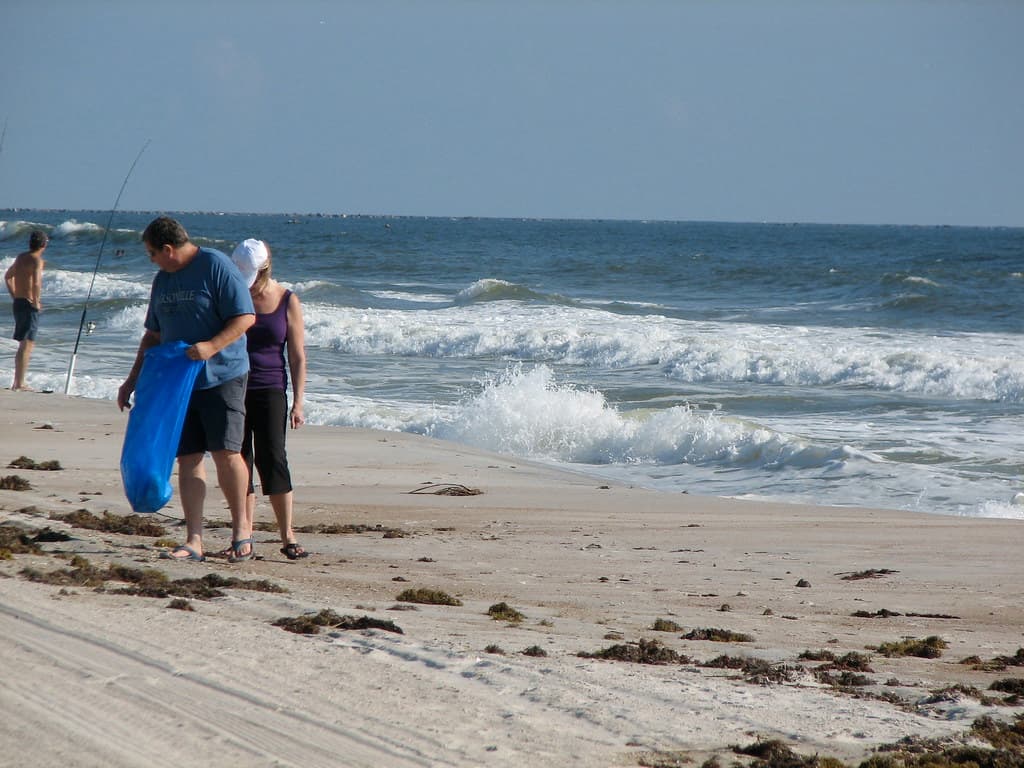
people on beach during daytime
 Credit: Unsplash
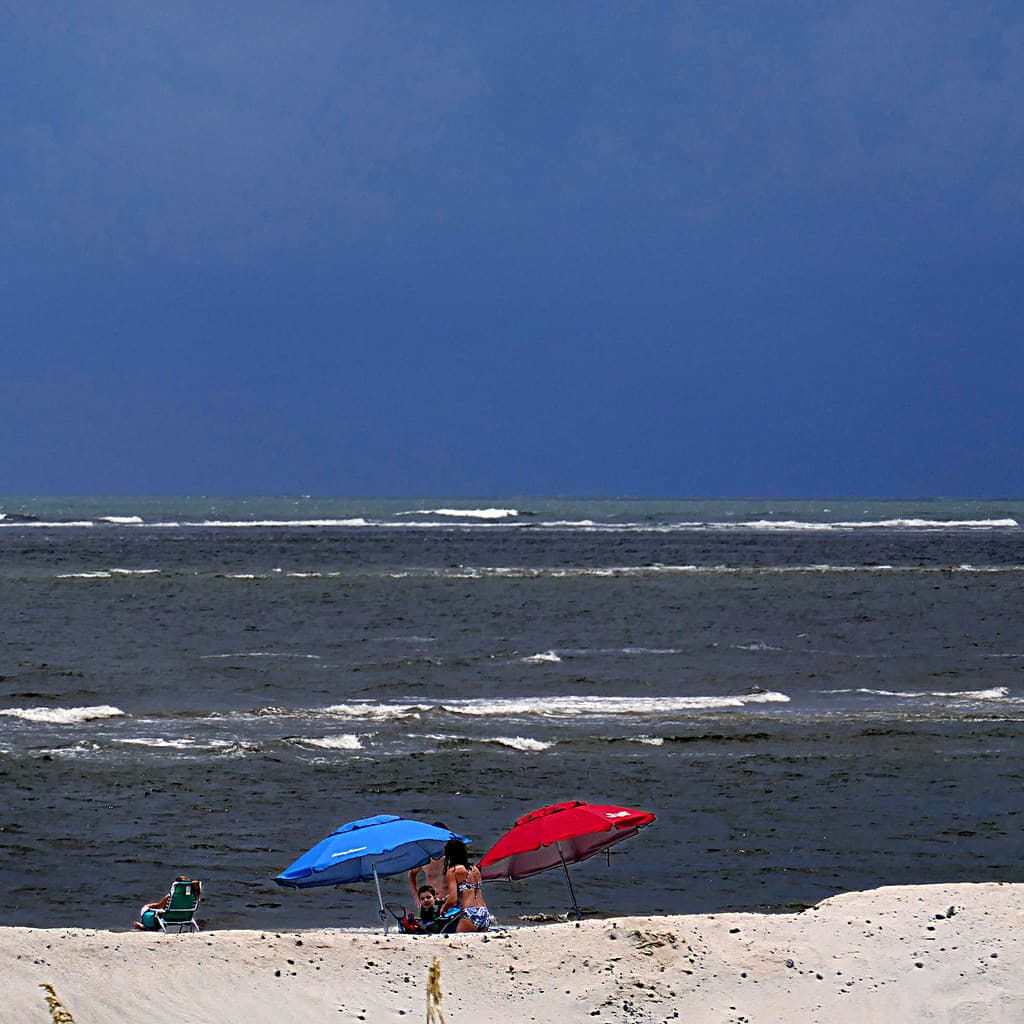
body of water under cloudy sky during daytime
Canines free before lifeguard hours
Launch from sand at tide
Working boats cross orange sunsets
Where it is
Huguenot Beach
Jacksonville, Florida, USA
30.423500°, -81.401000°
Weather
Loading…
Swell
—
Temp
Warm · Restorative
UV Index
Moderate
Wind
—
Tidal State
Last known
Max Sunlight
—
Ideal Shade
—
May - Sep (Peak)
Jan - Dec (Off-season)
Historical data suggests peak visibility and stable sea temperatures occur during the prime visitation window.
Select a category to load nearby places.
Unlock restaurants, luxury stays and curated maritime experiences within 2km
Huguenot Beach sits on the Fort George Inlet rather than the open ocean, which means calmer waters compared to Atlantic-facing beaches. However, currents can be strong near the inlet, especially during tidal changes, so swimmers should stay alert. There are no lifeguards on duty, so swim at your own risk and supervise children closely. The sandy bottom and generally mild waves make it suitable for wading and shallow swimming. Check local tide charts and weather conditions before entering the water, and avoid swimming near boat channels.
Huguenot Beach is accessible year-round, with pleasant weather from March through May and September through November offering comfortable temperatures and fewer crowds. Summer (June-August) brings warm water and peak family activity but also afternoon thunderstorms and higher humidity. Winter months are cooler but still enjoyable for beachcombing and dog walking. The beach faces west across the inlet, making it especially popular for sunset viewing. Arrive during weekdays or early mornings for a quieter experience, as weekends can get busy with local families and boaters.
Huguenot Memorial Park is located at the northern end of Jacksonville's beaches, accessible via Heckscher Drive (State Road A1A). From downtown Jacksonville, head east toward Mayport and follow Heckscher Drive north for approximately 10 miles. The park has ample parking with a small entrance fee (typically around $5 per vehicle). The beach offers drive-on access in designated areas, allowing visitors to park directly on the sand. Gates typically open at 8 AM and close at sundown, though hours may vary seasonally.
Huguenot Beach has basic amenities including restrooms, outdoor showers, and picnic pavilions, but no on-site food vendors. The nearby Mayport Village area, about 10 minutes south, offers seafood restaurants and casual dining options. Safe Harbor Seafood and Singleton's Seafood Shack are local favorites. For supplies, stop at stores along Heckscher Drive before reaching the park. While there are no hotels directly at Huguenot, accommodations are available in Jacksonville Beach and Atlantic Beach, approximately 20-30 minutes away, offering a range of lodging from budget motels to beachfront resorts.
Yes, Huguenot Beach is one of the few dog-friendly beaches in the Jacksonville area where dogs are allowed off-leash in designated areas. Dogs must remain under voice control and owners must clean up after their pets. The beach's calm inlet waters and open sandy areas make it popular with dog owners year-round. It's advisable to bring fresh water for your pet, as drinking saltwater can cause illness. Be mindful of other beachgoers, leash regulations in certain zones, and avoid peak heat hours during summer months to protect your dog's paws from hot sand.
Photos