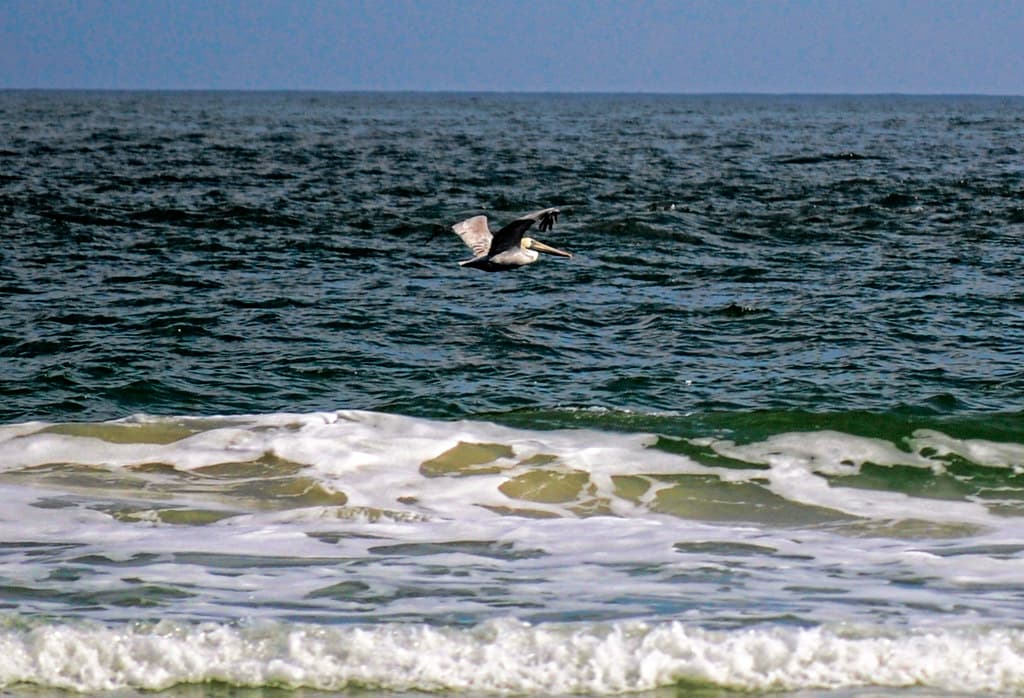
Counting the waves…
Counting the waves…

The moment you cross the bridge onto Little Talbot Island, asphalt gives way to something older. Salt marsh grass hisses in the breeze. Maritime hammock shadows the road. Then the dunes open up, and you're standing on a beach that looks less like Florida and more like the edge of a forgotten continent—all bone-white driftwood and amber sand stretching north toward Cumberland Sound. You'll walk among tree skeletons half-buried in the beach, their roots washed smooth by hurricanes and nor'easters. Some lean like temple columns; others sprawl in tangles where sanderlings probe for coquinas. The waves here roll in clean and steady, carving steep drop-offs at high tide, spreading wide flats when the water pulls back. In late afternoon, the sun sinks behind the island's live oak canopy, painting the driftwood sculptures in gold and violet. This is what barrier islands looked like before development: wild, shifting, utterly indifferent to human schedules. The state park protects 5,000 acres of dune, forest, and marsh. You won't find beach bars or jet ski rentals. Just shorebirds, the occasional pod of dolphins beyond the breakers, and enough solitude to hear your own footsteps in the sand.
Places, rentals, tours and events within walking and driving distance of Little Talbot Island Beach.
Photos
Swimming at Little Talbot Island Beach requires caution due to strong currents, particularly near the north end and Fort George Inlet. There are no lifeguards on duty, so swim at your own risk. The beach features submerged logs and driftwood that can create hazards in the surf. Rip currents can occur, especially during higher tides and windy conditions. Always check weather and tide conditions before entering the water, swim parallel to shore if caught in a current, and never swim alone on this undeveloped barrier island.
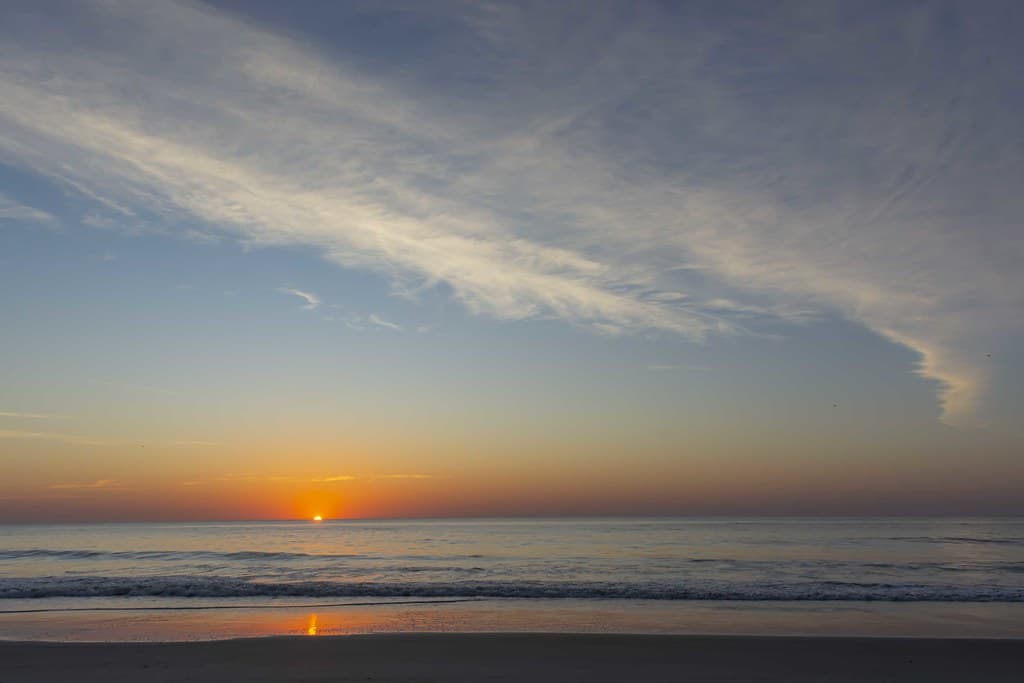
Little Talbot Island Beach is accessible year-round, with each season offering unique experiences. Spring (March-May) and fall (September-November) provide comfortable temperatures, fewer crowds, and excellent wildlife viewing. Summer brings warmer waters but higher humidity and afternoon thunderstorms. Winter offers solitude and pleasant beach walks, though ocean temperatures are cooler. For the famous driftwood scenery and dramatic sunsets, visit during golden hour any season. Weekdays are generally less crowded than weekends, and low tide reveals expansive sandy areas perfect for beachcombing.
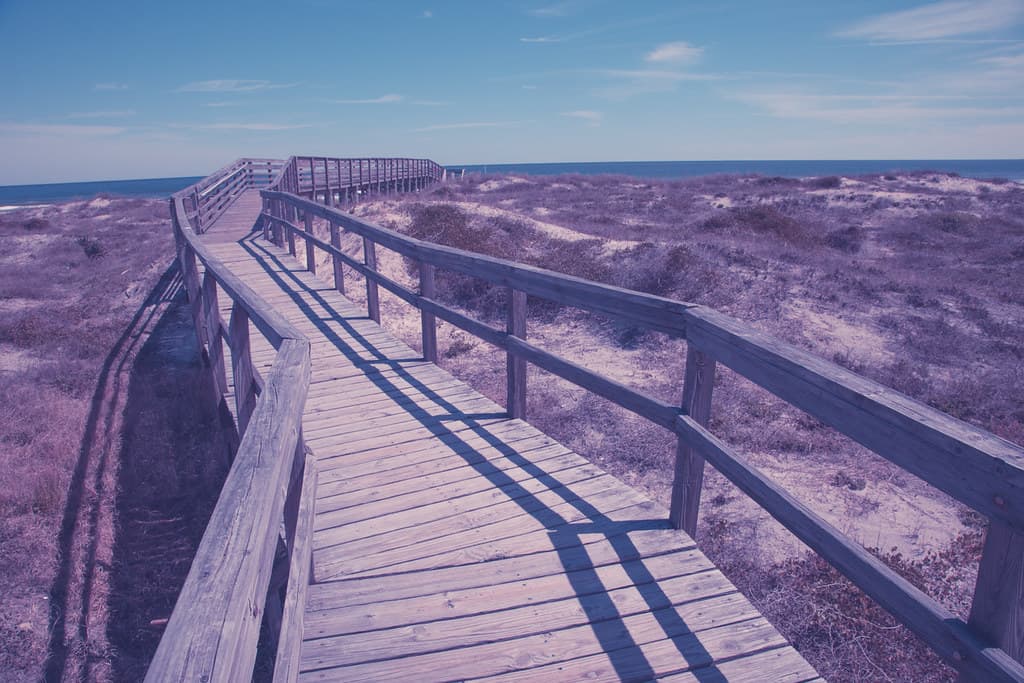
Little Talbot Island State Park is located about 20 miles northeast of downtown Jacksonville via Heckscher Drive (SR 105). The park entrance is clearly marked on the east side of the road. There's a vehicle entrance fee (typically $5 per vehicle), and ample parking is available in designated lots near the beach access points. The main parking area provides easy access to boardwalks leading to the beach. No reservations are needed for day use. The park is open daily from 8 AM until sundown year-round.
Little Talbot Island Beach itself has minimal amenities—restrooms, outdoor showers, and picnic pavilions—reflecting its undeveloped character. The park offers 40 full-facility campsites for overnight stays, which require advance reservations. For restaurants and shopping, you'll need to drive back toward Jacksonville or to nearby Amelia Island (about 15 miles north). The closest major dining and lodging options are in the Mayport area or on Amelia Island/Fernandina Beach. Bring food, water, and supplies, as there are no concessions or stores within the park.
Little Talbot Island's dramatic driftwood formations are a signature feature created by natural erosion along the north end of the island. Ancient maritime forest trees—primarily oaks and cedars—fall onto the beach as the shoreline retreats, creating a stunning "driftwood graveyard." These weathered, bleached trees form artistic sculptures that attract photographers, especially during sunrise and sunset. The formations constantly change with storms and tides, making each visit unique. This phenomenon showcases the dynamic nature of barrier islands and represents one of Florida's most photogenic coastal landscapes.