Counting the waves…
Counting the waves…

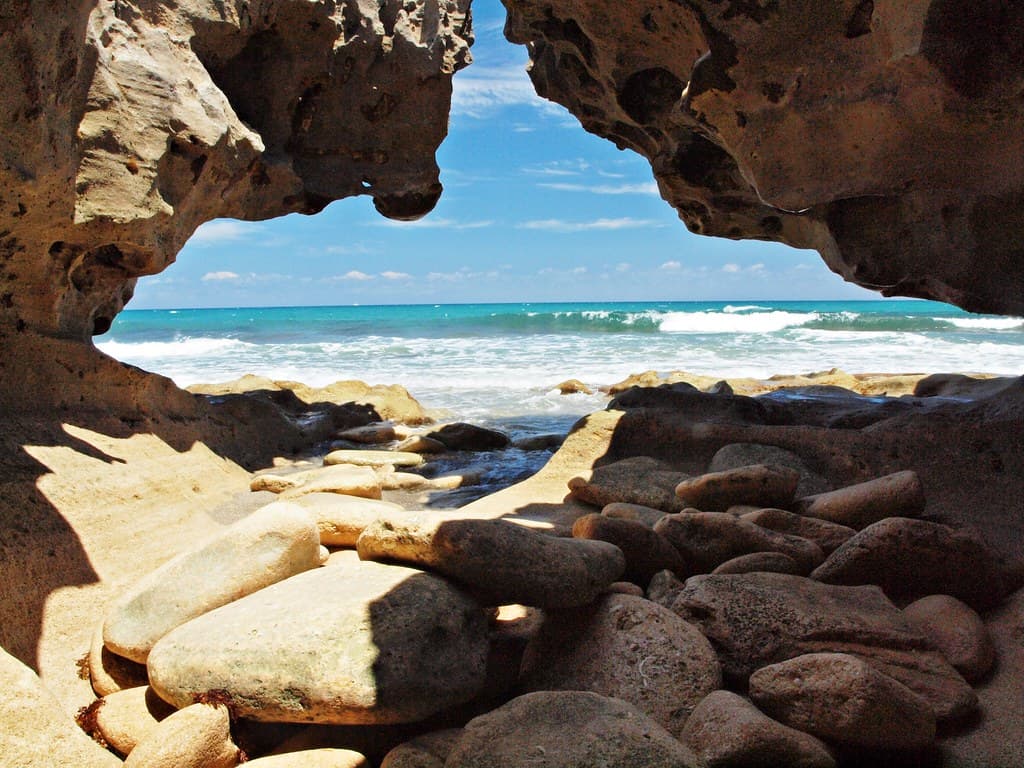
The wooden planks of the Juno Pier creak beneath your feet as you walk past anglers hauling in pompano and Spanish mackerel, their coolers beaded with condensation in the salt air. Below, the beach stretches wide and uncommercial: no cabanas, no attendants in polo shirts, just families spreading mismatched towels on sand the color of brown sugar. The waves hit with purpose here—consistent enough that surfers paddle out year-round, their boards tucked under bronze arms. By late afternoon, the light goes amber and the crowd thins to regulars. Shorebirds work the waterline in quick, mechanical steps. You might spot the dark shape of a sea turtle surfacing beyond the break—Juno is prime nesting ground from March through October, and volunteers rope off clutches with stakes and orange tape. The pier casts a long shadow as the sun drops, and someone's always there with a camera, framing the silhouette. The park itself is unpretentious: pavilions, grills, a playground where toddlers kick off sandy Crocs. A few food trucks idle in the lot, dispensing fish tacos and acai bowls. You leave with salt in your hair and the particular satisfaction of a beach that never tried to impress you, just let you be.
Places, rentals, tours and events within walking and driving distance of Juno Beach Park.
Photos
Juno Beach Park is generally safe for swimming, though conditions vary. The beach has lifeguards on duty during peak hours, typically 9am-5pm. Atlantic waters here can have moderate surf and occasional rip currents, so check posted flags daily. The beach slopes gently, making it suitable for families, but always supervise children. During summer, jellyfish may be present. The park is clean and well-maintained. For current conditions, check with the lifeguard station upon arrival or contact Palm Beach County Parks before your visit.
Juno Beach Park is enjoyable year-round, with each season offering advantages. Winter (December-March) brings cooler, comfortable temperatures in the 70s°F with less humidity, though water is cooler. Summer offers warm swimming but higher humidity and afternoon thunderstorms. Spring and fall provide ideal balance with pleasant weather and fewer crowds. For sunsets, the beach faces east, so sunrise views are spectacular. Weekdays are less crowded than weekends. Arrive early morning for parking and cooler temperatures, especially during summer months.
Juno Beach Park has a dedicated parking lot directly at the beach with approximately 150 spaces. The lot is located at 14775 US Highway 1 in Juno Beach. Parking fees apply and are typically collected via pay stations or meters—bring credit cards or cash. Spaces fill quickly on weekends and holidays, so arrive before 10am for best availability. The lot provides direct beach access via walkovers. Street parking on nearby residential roads is limited and often restricted to residents only.
Juno Beach Park has a snack bar on-site for basic refreshments. Nearby restaurants cluster along US-1, within 1-2 miles, offering seafood, casual dining, and cafes. The beach itself doesn't have hotels directly adjacent, but accommodations are available within a short drive in Juno Beach and neighboring Jupiter. Many visitors stay in Jupiter (3 miles south) or Palm Beach Gardens, which offer more lodging options. The park has restrooms, outdoor showers, and picnic areas. For substantial meals, plan to drive a few minutes.
Yes, Juno Beach is one of Florida's most important sea turtle nesting sites, particularly for loggerhead turtles. Nesting season runs May through October, with hatchlings emerging primarily July through September. The park participates in conservation efforts, and nests are marked and protected. Nighttime beach walks during nesting season may encounter nesting females or hatchlings, though artificial light should be avoided. Local organizations offer guided turtle walks by reservation. Morning beachgoers might spot turtle tracks leading to nests. Always observe from a distance and never disturb nests or turtles.