Counting the waves…
Counting the waves…

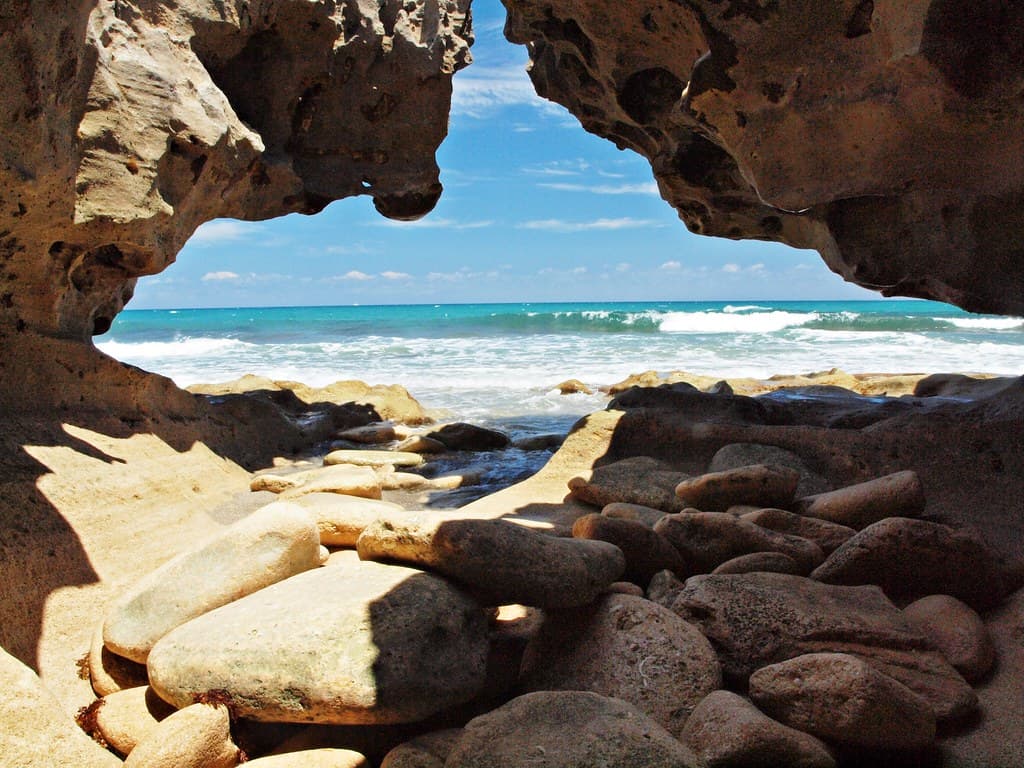
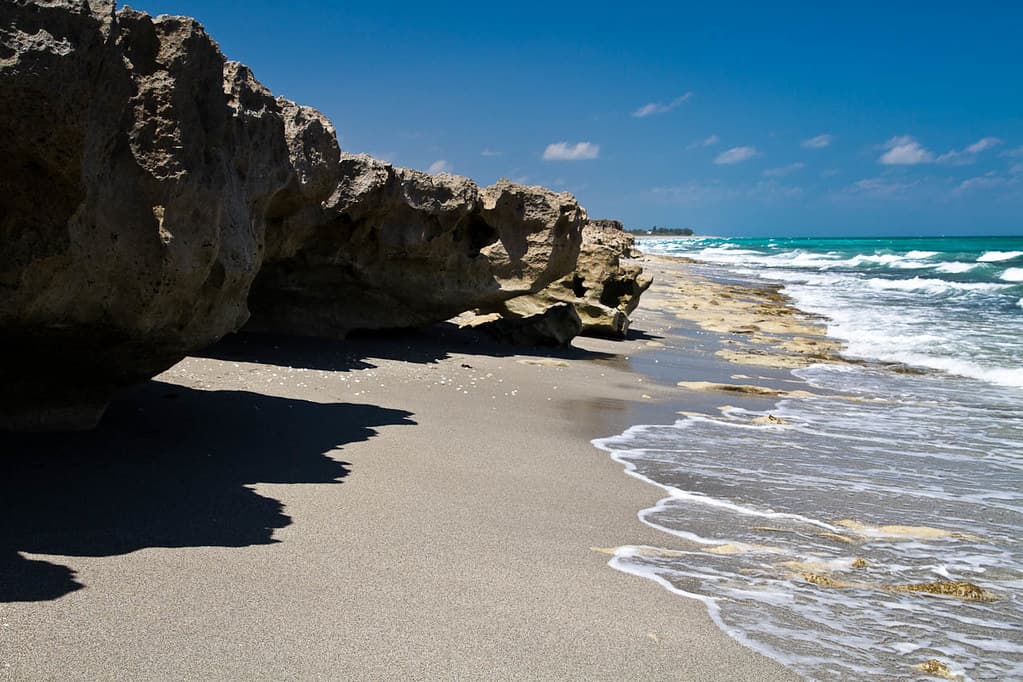
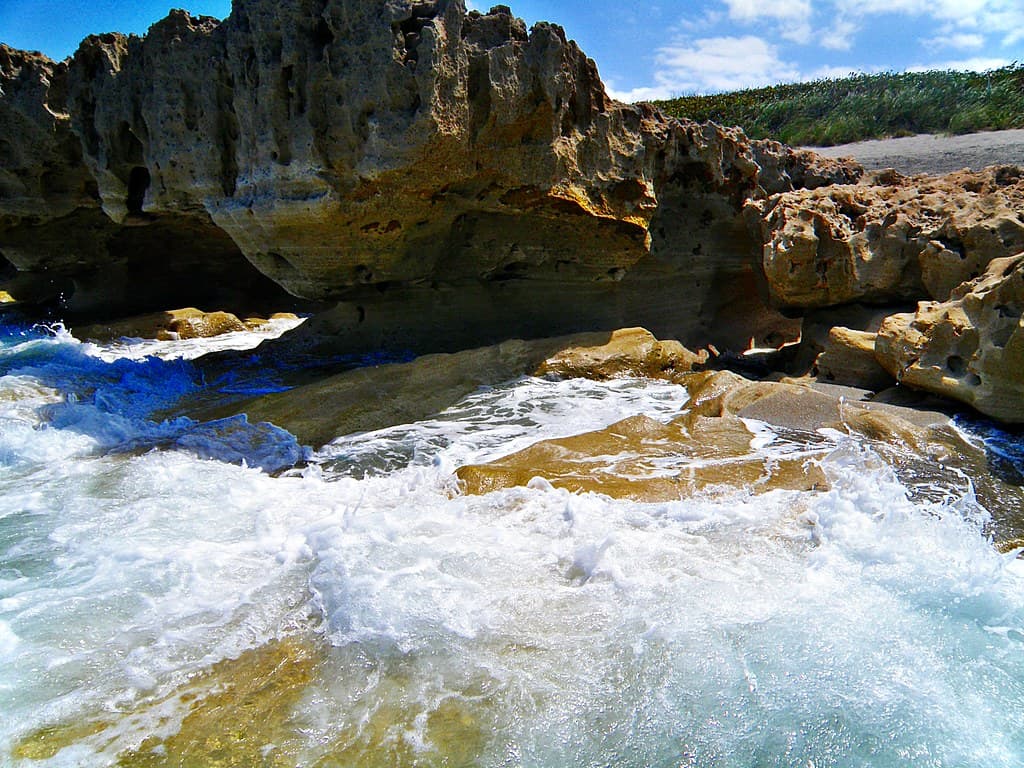
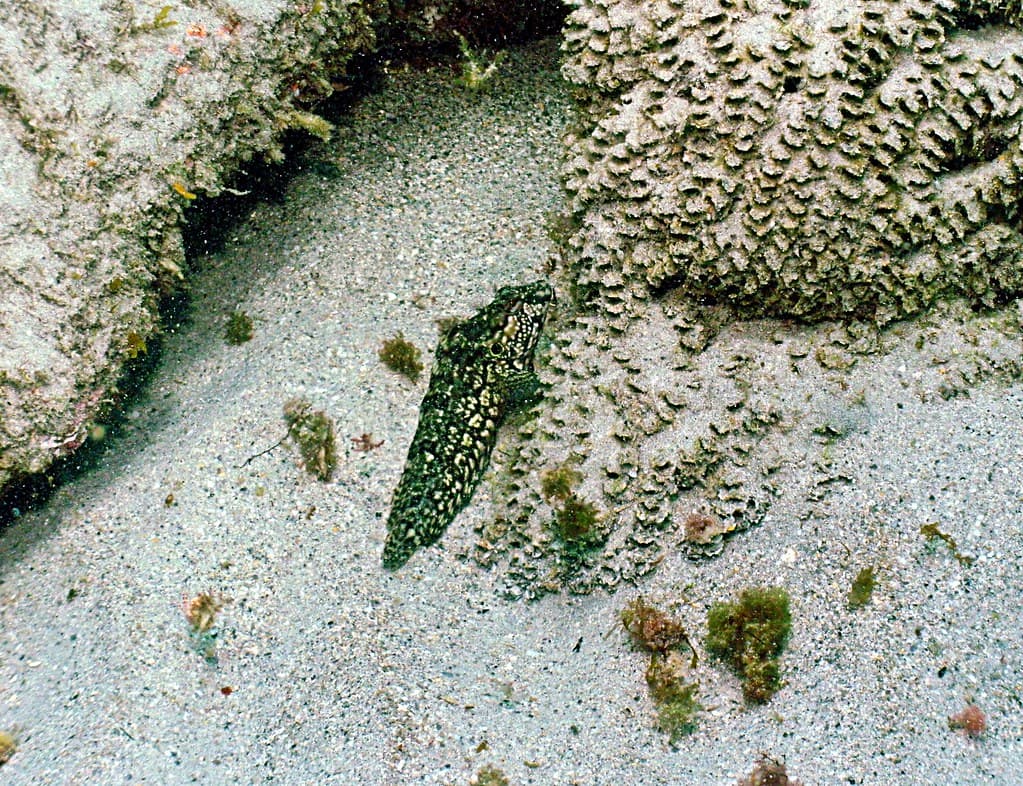
The beach unfolds in two acts. South of the access point, families spread towels on a small crescent of sand where the swimming is easy and the undertow mild. But north is where Coral Cove earns its reputation: a moonscape of pockmarked limestone that channels the surf into foaming bursts and shelters marine life in its crevices. You'll spot parrotfish grazing algae, spiny lobster antennae twitching beneath ledges, and if you time your visit to low tide, entire galaxies of anemones exposed in shallow basins. The rock formations also create natural diving platforms—locals leap from the higher shelves while snorkelers hover above gardens of soft coral and sea fans just offshore. Bring water shoes; the limestone is as sharp as it is photogenic. Late afternoon delivers the best light, when the sun angles low and ignites the water to amber, silhouetting the rocks in high contrast. Tequesta remains refreshingly unpolished compared to its southern neighbors. No beach clubs, no cabana service—just a small parking lot, outdoor showers, and a covered pavilion. The lack of commercial infrastructure means you'll share the cove with local families who've been coming here for decades, and with snorkelers who know these rocks hold more interest than a dozen miles of unbroken sand.
Places, rentals, tours and events within walking and driving distance of Coral Cove Park Beach.
Photos
Coral Cove Park Beach has rocky limestone formations and can experience strong currents, making swimming conditions challenging compared to traditional sandy beaches. The rocky bottom and irregular depths require caution, especially for inexperienced swimmers. Families with small children should supervise closely near the tide pools. The beach is better suited for snorkeling in calm conditions rather than traditional swimming. Always check local conditions before entering the water, avoid swimming alone, and be mindful of sharp rocks when walking. Calmer waters typically occur during summer months.
Coral Cove Park Beach is enjoyable year-round, though each season offers different advantages. Winter months (December-March) bring cooler, less humid weather ideal for exploring tide pools and beach walks, though waters may be choppier. Summer (June-August) provides the calmest ocean conditions for snorkeling, but expect heat and humidity. Early morning visits offer the best lighting for tide pool exploration and fewer crowds. Sunset visits are particularly popular for photography. Weekdays are generally less crowded than weekends throughout the year.
Coral Cove Park Beach has a small parking lot located directly at the park entrance on South Beach Road (County Road 707) in Tequesta. The lot accommodates approximately 30 vehicles and fills quickly, especially on weekends and holidays. Parking is metered and requires payment. Arrive early, ideally before 10 AM, to secure a spot during peak times. Street parking along nearby roads is limited and may have restrictions. The compact size makes this beach less accessible during busy periods compared to larger Palm Beach County beaches.
Coral Cove Park Beach is a small neighborhood park with no on-site food vendors or facilities beyond restrooms. For dining, head north to Tequesta or south to Jupiter, both within a 5-10 minute drive, offering various restaurants from casual cafés to seafood spots. Bring your own snacks and water, as the nearest convenience stores are several miles away. Nearby hotel options include Jupiter and North Palm Beach areas, approximately 10-15 minutes away, with beachfront resorts and chain hotels available along A1A and US-1.
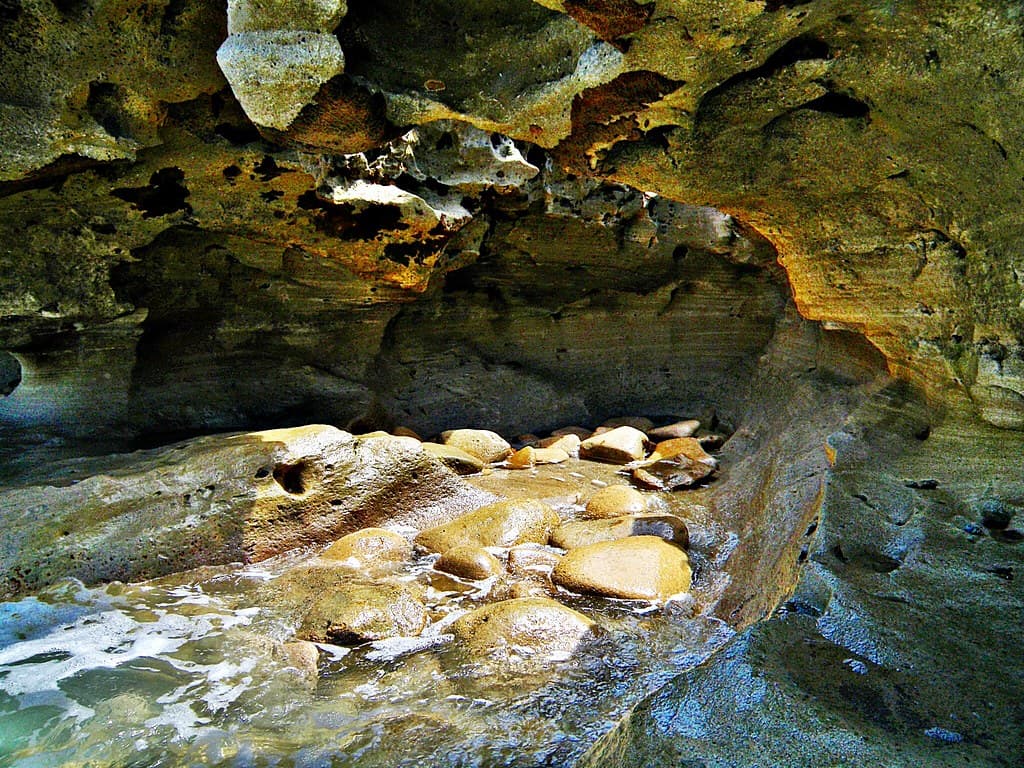
The limestone rock formations at Coral Cove Park Beach create a unique South Florida coastal environment unlike typical sandy beaches. These ancient formations create natural tide pools teeming with marine life including small fish, crabs, and sea creatures, making it excellent for exploration at low tide. The rocks also provide excellent snorkeling opportunities with clearer water and diverse marine habitats. The limestone shelves and crevices offer dramatic photo opportunities, especially at sunset. This geological feature is relatively rare along Palm Beach County's coastline, making Coral Cove distinctive.