Counting the waves…
Counting the waves…
A refined fusion of water purity, environmental stability, and communal vibrancy for Bill Baggs Cape Florida State Park Beach.
View MethodologyAnalyzed via live sensors and environmental data.
Wave height, wind, and atmospheric stability.
Live footfall and crowd balance metrics.
Community reviews and curated sentiment.
“You'll park beneath wind-sculpted sea grapes and walk toward the red-brick lighthouse tower that has anchored this cape since 1825. The sand shifts from butterscotch to ivory as you move from bay side to ocean side, and…”
Limited recent visitor reports — live OBI telemetry is your best guide for current conditions.
The beach wraps around the cape in two distinct personalities. On the Atlantic side, waves roll in with enough force to justify the body-surfing families who time their visits to the afternoon onshore breeze. The sand here packs firm underfoot, scattered with coquina shells and the occasional moon snail. Walk fifty yards west and you're in the bay, where the water goes glassy at high tide and exposes sandbars at low, the skyline of downtown Miami wavering in the heat haze across the water.
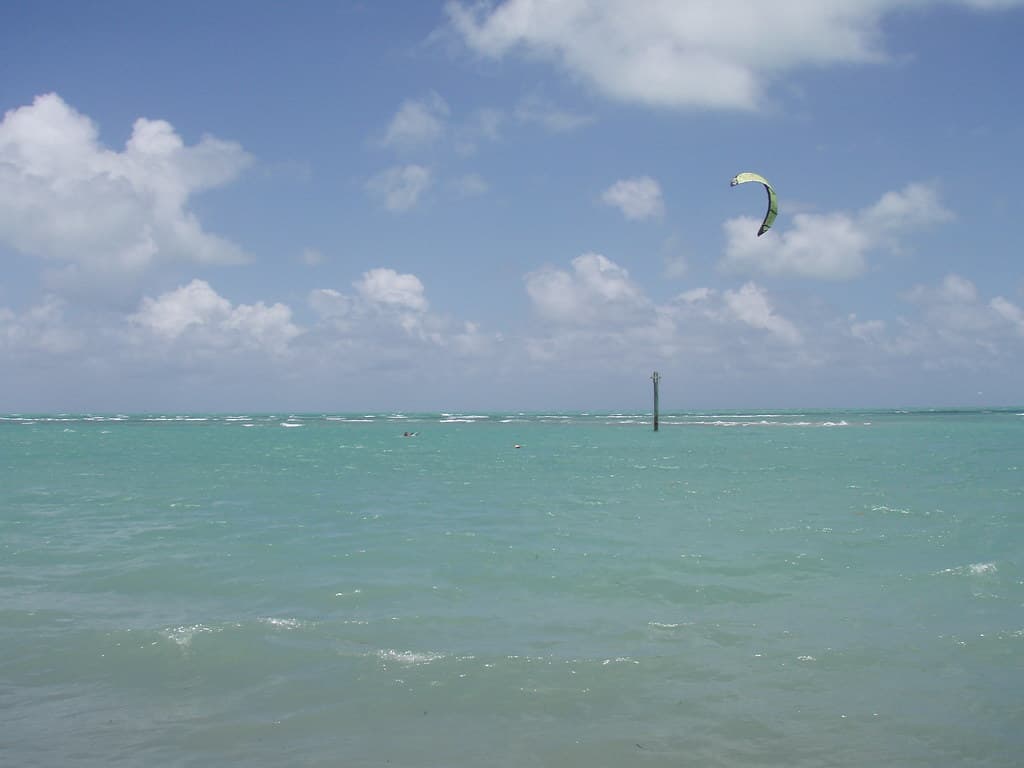
The lighthouse—white-washed brick with a keeper's cottage—stands 95 feet tall and opens for climbs Thursday through Monday. From the gallery deck, you can trace the reef line by its dark patches and watch kiteboarders carving figure-eights in the bay. The state park wrapped around it keeps development at arm's length: boardwalks thread through buttonwood hammocks, and the two-mile bike path dead-ends at the beach, not a condo tower.
 Credit: Unsplash
brown garden dock
 Credit: Unsplash
a sandy beach with a light house in the distance
95-foot views, Thursday through Monday
Atlantic waves or bay calm
Rental concession at Boater's Grill
Where it is
Bill Baggs Cape Florida State Park Beach
Key Biscayne, Florida, USA
25.674800°, -80.157600°
Weather
Loading…
Swell
—
Temp
Warm · Restorative
UV Index
Moderate
Wind
—
Tidal State
Last known
Max Sunlight
—
Ideal Shade
—
May - Sep (Peak)
Jan - Dec (Off-season)
Historical data suggests peak visibility and stable sea temperatures occur during the prime visitation window.
Near Bill Baggs Cape Florida State Park Beach
Explore dining, stays, nightlife, and activities near Bill Baggs Cape Florida State Park Beach in Key Biscayne, USA. Every listing below is a real place linked to this beach — open a card for reviews, maps, and booking options.
Food, cafés, and dining close to Bill Baggs Cape Florida State Park Beach — curated from places linked to this beach.
Stays and lodging options near Bill Baggs Cape Florida State Park Beach for your beach trip.
Activities, tours, and attractions near Bill Baggs Cape Florida State Park Beach.
Select a category to load nearby places.
Unlock restaurants, luxury stays and curated maritime experiences within 2km
Yes, Bill Baggs is generally safe for swimming with lifeguards on duty daily. The beach features calm, shallow waters protected by the natural geography of Key Biscayne, making it excellent for families and less confident swimmers. The Atlantic side can occasionally have stronger currents during windy conditions or cold fronts. Always check posted flags and swim near lifeguard stations. The park's well-maintained facilities and regular patrols contribute to its reputation as one of Miami's safer beach destinations.
Bill Baggs is enjoyable year-round, with winter months (November-April) offering comfortable temperatures, lower humidity, and fewer afternoon storms—ideal for beach days. Summer brings heat and daily rain showers but warmer water. Weekdays are less crowded than weekends. Arrive early morning for parking and to claim prime spots. The beach is particularly famous for stunning sunsets viewed from the lighthouse area, so late afternoon visits are rewarding. Avoid visiting during hurricane season advisories (June-November).
The park is located at the southern tip of Key Biscayne, about 30 minutes from downtown Miami via Rickenbacker Causeway (toll road). Follow Crandon Boulevard south to the park entrance. There's ample parking available for a fee (around $8 per vehicle), though spaces fill quickly on weekends and holidays. No public transportation directly serves the park, so a car, bike, or rideshare is necessary. The entrance gate closes at sunset.
The Boater's Grill restaurant operates inside the park, offering casual dining with waterfront views—famous for fish sandwiches and weekend brunch. The park has restrooms, outdoor showers, picnic pavilions with grills, and a well-stocked concession stand. No hotels exist within the park itself, but Key Biscayne offers nearby resort options like The Ritz-Carlton. For more dining variety, the village center is just minutes north, featuring restaurants, cafes, and grocery stores for picnic supplies.
Yes, the historic 1825 Cape Florida Lighthouse offers guided tours Thursday through Monday at 10 AM and 1 PM. Visitors climb 109 steps to enjoy panoramic views of Biscayne Bay, the Atlantic Ocean, and Miami's skyline. Tours are free with park admission and last approximately 30 minutes, including historical commentary about the lighthouse's role in maritime navigation and its survival of an 1836 Seminole attack. Space is limited, so arrive early, especially on weekends.
Photos