Counting the waves…
Counting the waves…

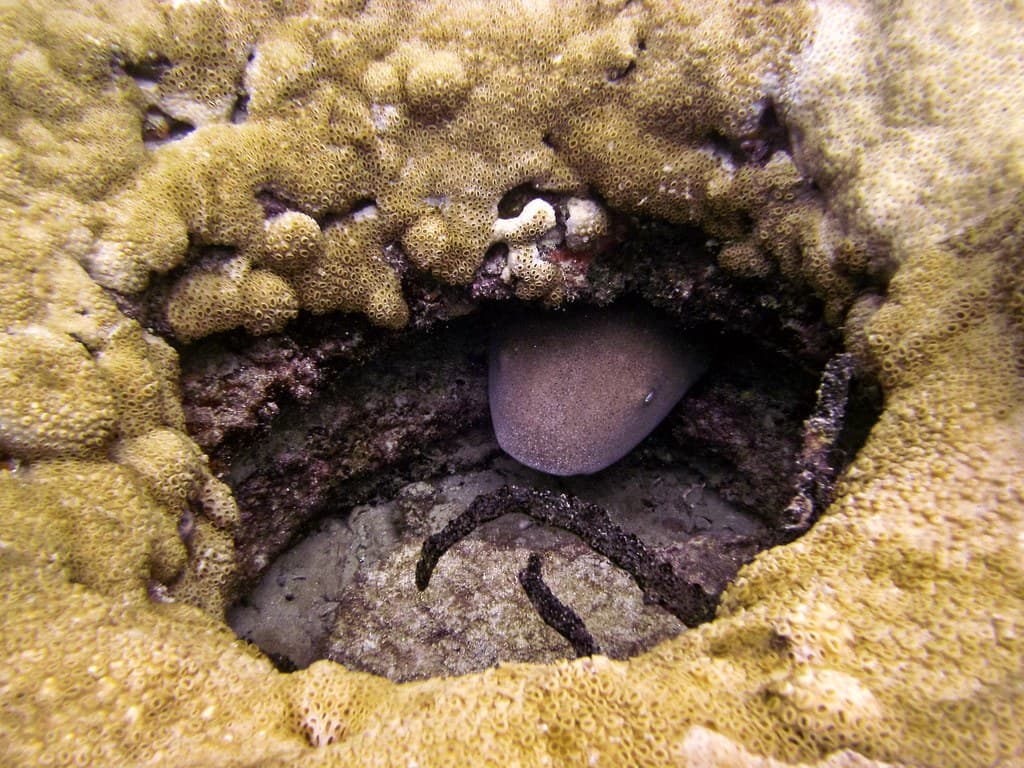
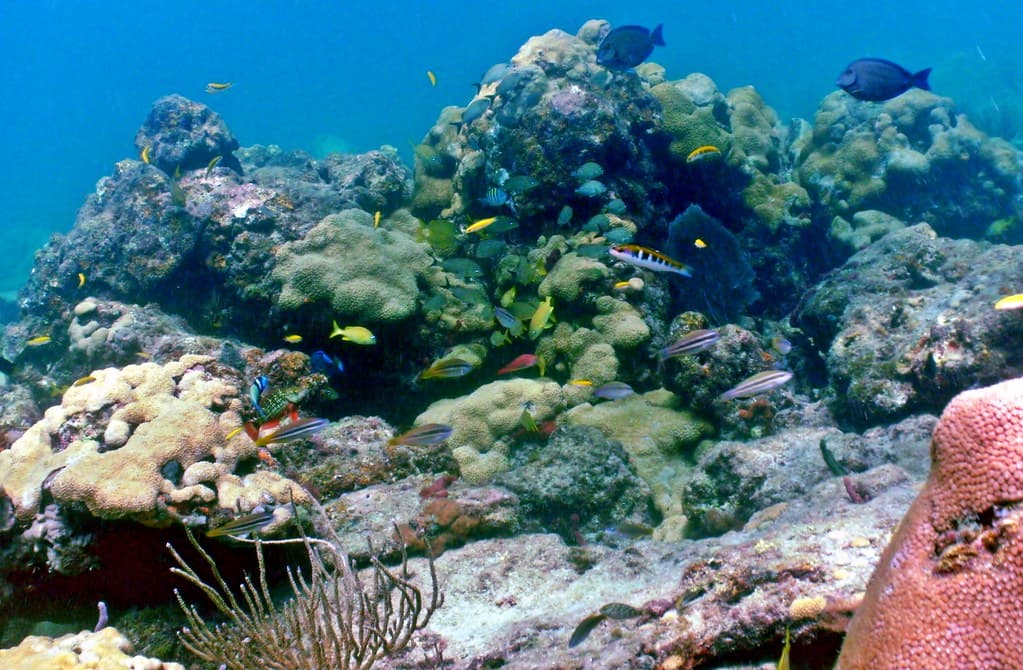
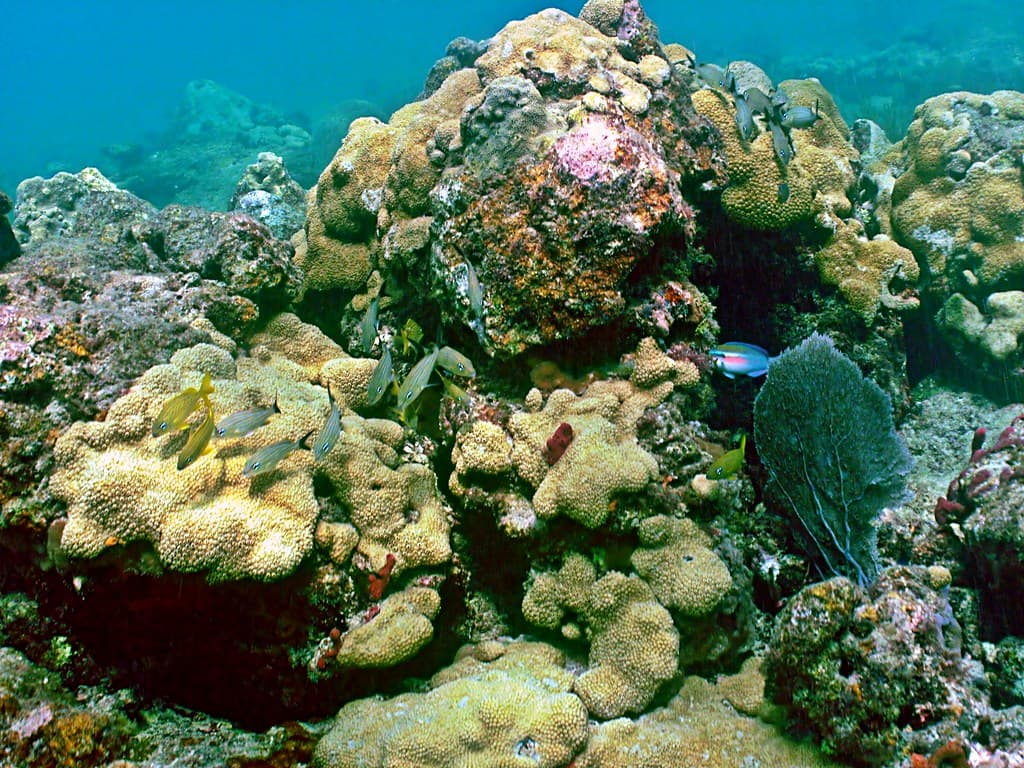
The reef begins so close to Lauderdale-by-the-Sea's shoreline that you can snorkel to it in three minutes, finning over sand ripples until the seafloor drops away into coral gardens teeming with parrotfish, spotted drums, and schools of yellowtail snapper. This is one of South Florida's few beaches where the continental shelf practically kisses the sand, offering world-class diving without the diesel fumes and seasickness of a charter boat. You'll see regulars hauling their own tanks across Commercial Boulevard, bound for dive sites with names like Barracuda Reef and the SS Copenhagen wreck, all within swimming distance. The village above mirrors the reef's intimacy—a six-block grid of mom-and-pop motels, tiki bars, and dive shops where everyone knows the tide schedule. You stroll barefoot from beach to barstool, passing anglers casting from the 875-foot pier and couples sharing key lime pie at open-air cafés strung with market lights. No high-rises shadow the sand here; a municipal ordinance keeps buildings low and sightlines open to the horizon. As the sun drops, the reef's day shift clocks out and tarpon roll in the shallows, their silver flanks catching the last light. You rinse your fins at an outdoor shower, salt crystallizing on your shoulders, and claim a patio chair. The ocean darkens from turquoise to indigo, and the village hums with the easy rhythm of a place that knows exactly what it is: a beach town built around the water, not the other way around.
Places, rentals, tours and events within walking and driving distance of Lauderdale-by-the-Sea Beach.
Photos
Lauderdale-by-the-Sea is generally safe for swimming, with lifeguards on duty during daylight hours. The beach is protected by offshore reefs that create calmer waters, making it ideal for snorkeling and families. However, always check daily beach conditions and flag warnings before entering the water. The reefs sit close to shore, so snorkelers should be mindful of coral preservation and avoid touching or standing on the fragile formations. Strong currents can occasionally occur, so less experienced swimmers should stay near shore and follow lifeguard guidance.
Lauderdale-by-the-Sea enjoys excellent beach weather year-round, with warm temperatures averaging 75-90°F. Winter months (December-April) offer the most comfortable conditions with lower humidity and minimal rainfall, though this is peak tourist season with higher prices and crowds. Summer brings afternoon thunderstorms and more humidity, but warmer ocean temperatures ideal for extended snorkeling sessions. Fall (September-November) provides a sweet spot with fewer visitors, pleasant weather, and good water visibility. Hurricane season runs June through November, with September and October being the most active months.
Street parking is available along A1A and side streets, with metered spots costing around $2 per hour. The Town of Lauderdale-by-the-Sea offers a free public parking lot on Commercial Boulevard just west of A1A with approximately 50 spaces, though it fills quickly on weekends. Additional metered parking can be found in small lots along El Mar Drive and Surf Road. Arrive early during peak season to secure a spot. Many beachfront hotels offer parking for guests, and some local restaurants provide limited complimentary parking for patrons.
The compact beachfront village offers numerous dining options within walking distance. Commercial Boulevard features casual seafood restaurants, beachside cafes, and the popular Aruba Beach Café with oceanfront dining. You'll find convenience stores, beach equipment rentals, and dive shops clustered near the pier. Anglin's Fishing Pier has public restrooms and showers. Accommodations range from family-run motels to larger resorts, many directly on the beach. The walkable downtown area includes boutiques, ice cream shops, and bars. Most restaurants are casual, and reservations are recommended during winter high season.
Lauderdale-by-the-Sea is unique because its coral reefs begin just 100 yards offshore, making it one of South Florida's easiest shore-diving and snorkeling locations. The three parallel reef lines are accessible directly from the beach without boat transport. The closest reef sits in shallow water perfect for beginners, while the second and third reefs offer more diverse marine life in deeper water. This proximity allows snorkelers to swim out independently, though many visitors prefer guided tours or diving excursions to explore the reefs safely while learning about marine ecosystems and conservation.