
Counting the waves…
Counting the waves…

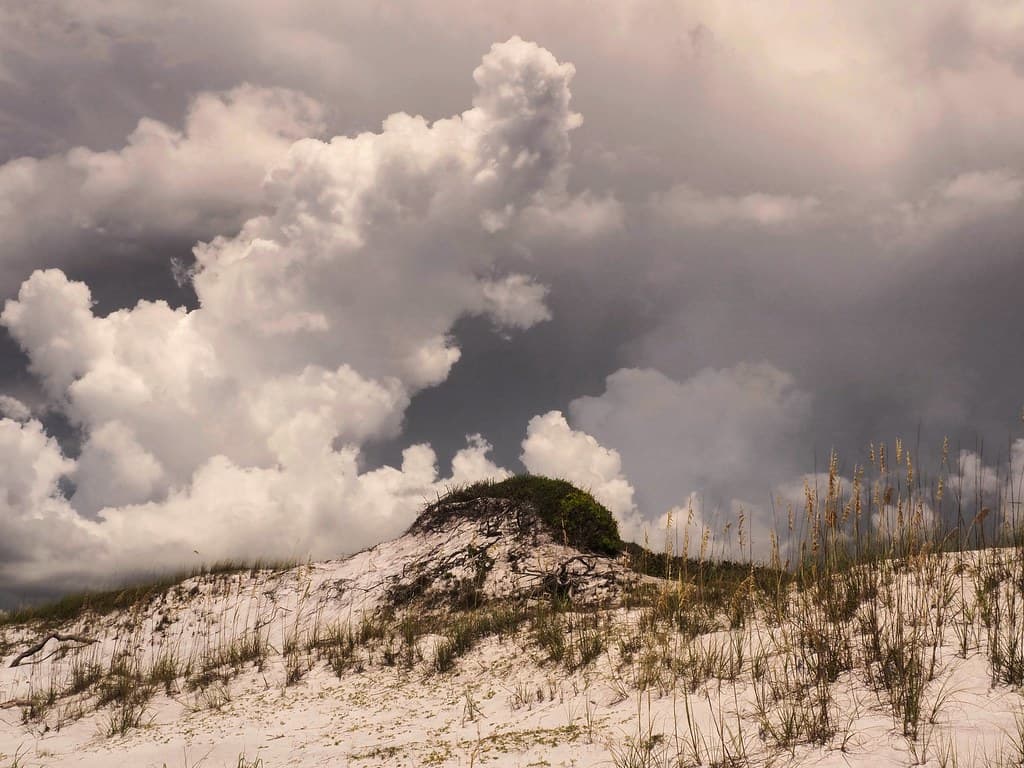
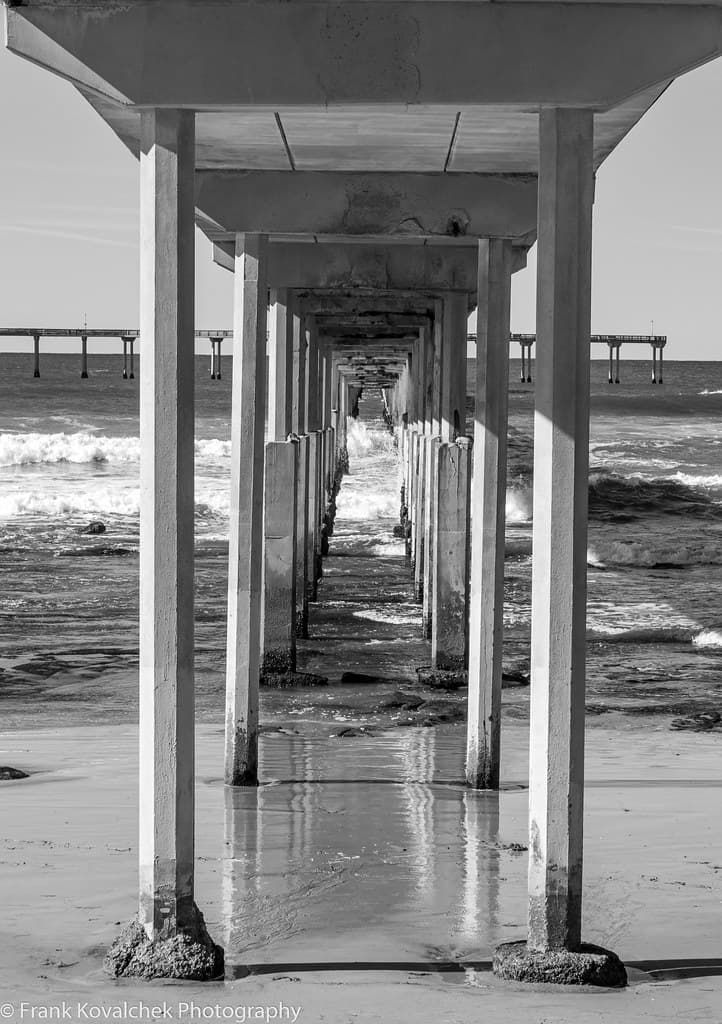
The sand here doesn't behave like sand elsewhere. Composed of Appalachian quartz ground fine over millennia, it stays cool underfoot even at noon in July, compacts like fresh snow, and produces an audible squeak when you walk. You'll notice families spreading blankets directly on it without towels, and why contractors once harvested it—illegally—for its pure white brilliance. The Gulf of Mexico laps at this eighteen-mile stretch in gradients of jade, turquoise, and cobalt depending on depth and sky. Sandbars form a hundred yards out, creating natural wading pools where children chase minnows while adults float on inflatables, cold drinks in hand. By late afternoon, the beach empties toward the west-facing public access points, where the sunset paints the sky tangerine and violet behind silhouetted pier fishermen. High-rise condominiums and sprawling resorts bracket the shore, but the beach itself remains democratic—public walkovers every few blocks, metered parking, and a mix of vacationing families, spring-breakers, and retirees who've claimed the same spot for decades. The water stays swimmable year-round, rarely dipping below sixty-eight degrees, and the offshore currents remain gentle enough that lifeguard stands feel more ceremonial than essential.
Places, rentals, tours and events within walking and driving distance of Miramar Beach.
Photos
Miramar Beach is generally safe for swimming, with lifeguards stationed at public access points during peak season. The Gulf waters here are typically calm with gentle waves, making it family-friendly. Beach safety flags indicate daily conditions: green means calm, yellow signals moderate surf or currents, red indicates dangerous conditions, and double red flags mean water is closed. Jellyfish can occasionally appear, especially in summer. The white sand stays relatively cool underfoot, and the gradual slope into the turquoise water is ideal for children and less confident swimmers.
Miramar Beach enjoys pleasant weather year-round, but the ideal time is April-May and September-October when temperatures are warm (75-85°F), humidity is lower, and crowds thin out after spring break and before summer vacation. Summer (June-August) offers the warmest water but brings peak crowds, higher prices, and occasional afternoon thunderstorms. Winter months (December-February) are quieter with mild temperatures (60s), though water may be too cool for swimming. Hurricane season runs June through November, with September being the most active month historically.
Miramar Beach is located along Scenic Highway 98 in Florida's Panhandle, about 50 miles east of Pensacola and 100 miles west of Tallahassee. The nearest airport is Destin-Fort Walton Beach Airport (VPS), 20 minutes away. Public beach access points with parking are available along Scenic Gulf Drive, though spaces fill quickly in summer. Some parking is free at neighborhood access points, while others charge daily fees (typically $5-10). Many visitors staying at nearby resorts and vacation rentals have private beach access and dedicated parking.
Miramar Beach offers abundant dining from casual beachfront cafes to upscale seafood restaurants along Scenic Highway 98. The nearby Destin Commons and Silver Sands Premium Outlets provide shopping and additional restaurants. Accommodations range from high-rise condos and luxury resorts to beach houses and vacation rentals. Public beach access points typically have restrooms and outdoor showers. Beach chair and umbrella rentals are widely available seasonally. The area connects to the popular vacation community of Destin, expanding dining and entertainment options significantly within a few minutes' drive.
Miramar Beach's famously white sand is composed of pure quartz crystals eroded from the Appalachian Mountains over millennia and washed down by rivers into the Gulf of Mexico. The sand's fine texture and bright white color genuinely resemble powdered sugar, staying cool even under intense sun due to its reflective properties. This rare quartz sand gives the water its distinctive turquoise color and creates the soft, squeaky sensation underfoot. The sand quality here is considered among the finest in the world, making it a signature feature of Florida's Emerald Coast.