Counting the waves…
Counting the waves…

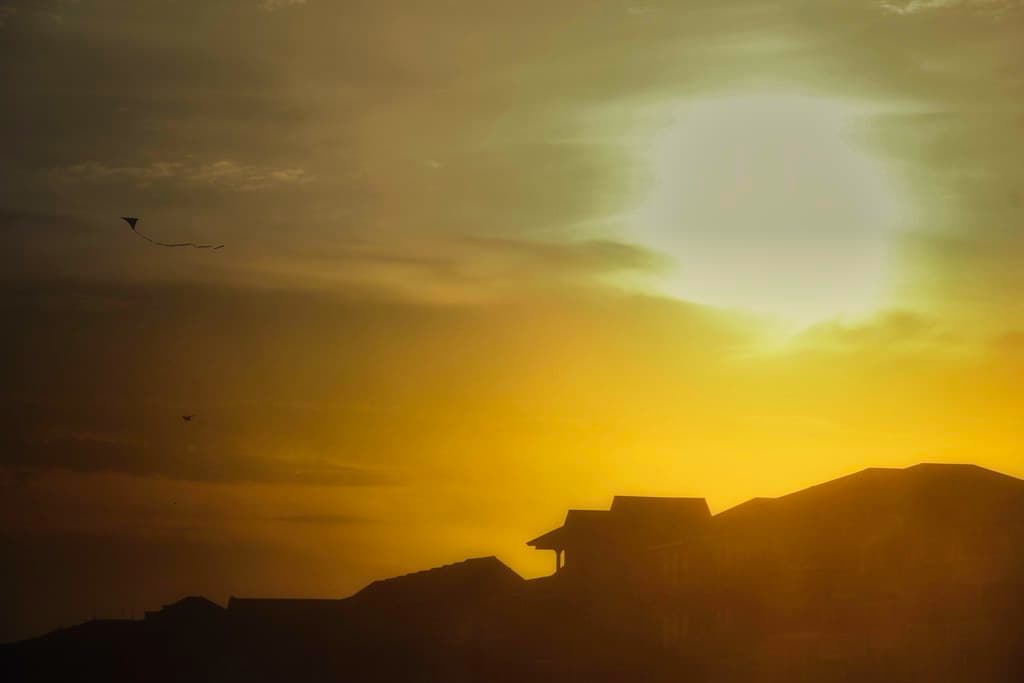
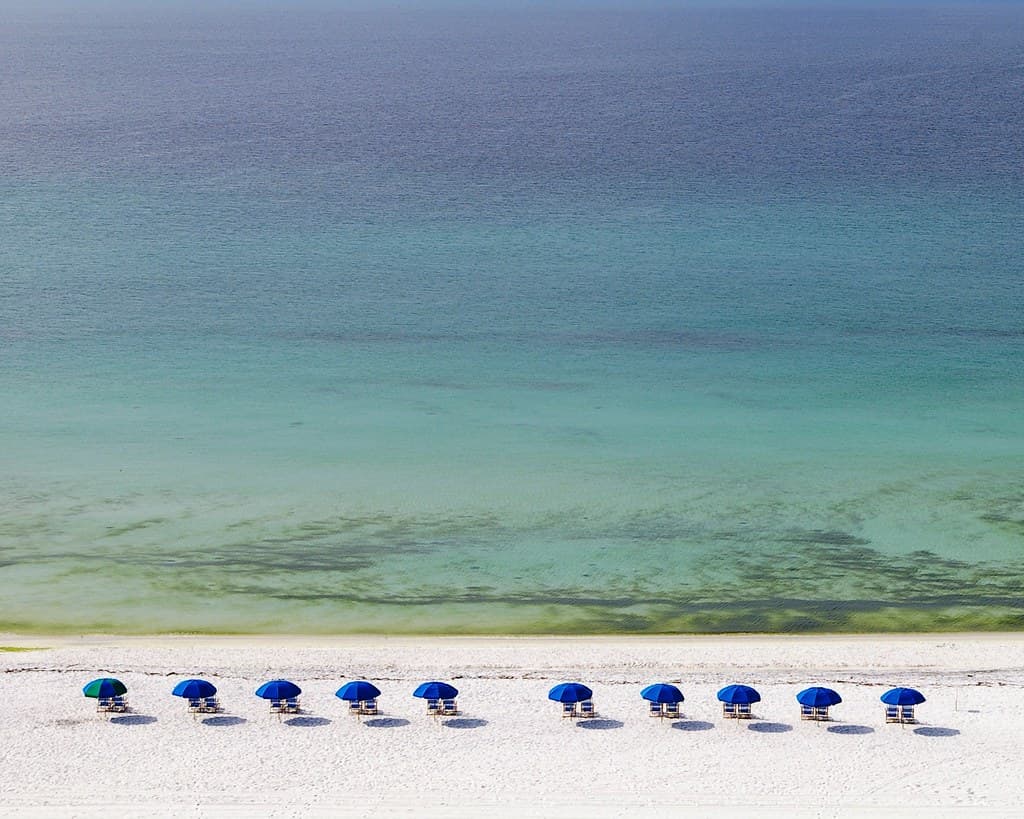
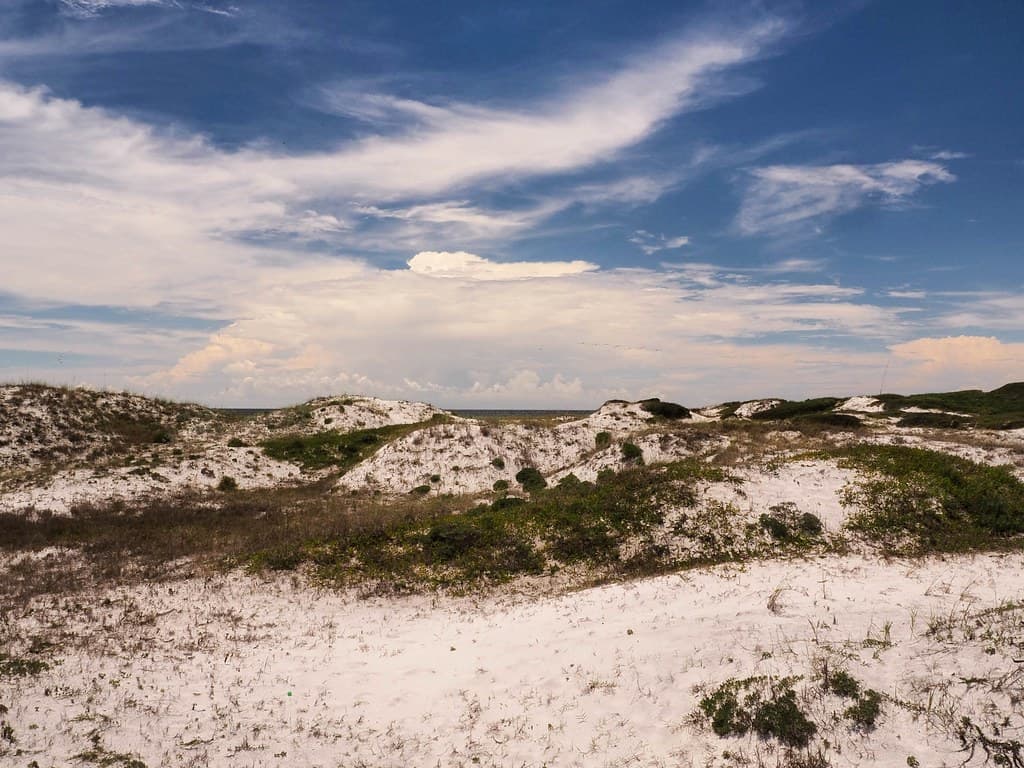
The moment you step off the tram at Topsail Hill Preserve, the noise of Highway 30A dissolves. A quarter-mile boardwalk threads through sand pine scrub and magnolia thickets, the air thick with resin and brine. Then the dunes announce themselves—rolling mountains of sugar-white quartz that dwarf you, their flanks stitched with rosemary and morning glory. The beach unfolds in both directions, wider and quieter than anything else on the Emerald Coast. You'll notice the absence first: no high-rises, no beach bars, no jet skis carving the shallows. Just sanderlings working the tideline and the occasional fisherman waist-deep in the surf. The water shifts from jade to cobalt depending on the sandbars, and the slope is so gradual that toddlers wade thirty yards out while their parents watch from blankets anchored against the breeze. By late afternoon, families gather near the dune lakes—rare coastal ponds that mirror the sky—while others claim their stretch of sand for sunset. The light turns the dunes amber, then rose, and as the sun drops, you'll understand why Florida fought to protect these 1,640 acres. This is what the Panhandle looked like before the condos, before the crowds, when the only footprints were yours and the gulls'.
Places, rentals, tours and events within walking and driving distance of Topsail Hill Preserve State Park Beach.
Photos
Swimming is generally safe at Topsail Hill, with lifeguards on duty seasonally during peak summer months. The Gulf waters here are typically calm with gentle waves, making it family-friendly. However, always check the beach flag warning system before entering the water: green means low hazard, yellow indicates moderate surf, red signals high hazard, double red flags mean water is closed, and purple warns of dangerous marine life like jellyfish. Rip currents can occur, so swim near lifeguard towers when available and never swim alone.
Topsail Hill is enjoyable year-round, with each season offering distinct advantages. Late spring through early fall (May-September) provides warmest water temperatures for swimming but brings crowds and occasional afternoon thunderstorms. Fall (October-November) offers pleasant weather with fewer visitors and comfortable water temperatures. Winter and early spring are quieter with cooler air and water but still beautiful for beach walks and wildlife viewing. Summer sees peak visitation, so arrive early for parking. The park's protected dunes and white sand beaches maintain their scenic appeal throughout the year.
Topsail Hill Preserve is located on County Road 30A, approximately 10 miles east of Destin and west of Seaside in Santa Rosa Beach. The main entrance is clearly marked on the south side of 30A. Parking is available in designated lots near the park entrance, with fees included in the park admission ($8 per vehicle as of recent rates). A tram service runs from the parking area to the beach during peak season, covering about a mile. Arrive early during summer months as the park has limited capacity and may reach visitor limits on busy days.
The park has limited on-site amenities—restrooms and outdoor showers are available, but no food concessions operate within the preserve. Visitors should bring their own food, drinks, and beach supplies. The nearby 30A corridor in Santa Rosa Beach offers numerous restaurants, cafes, and shops within a short drive. Several grocery stores are available in the area for picnic supplies. The park does offer RV and tent camping facilities with basic amenities for overnight stays. For full-service lodging, nearby communities along 30A including Seaside and Rosemary Beach provide hotels and vacation rentals.
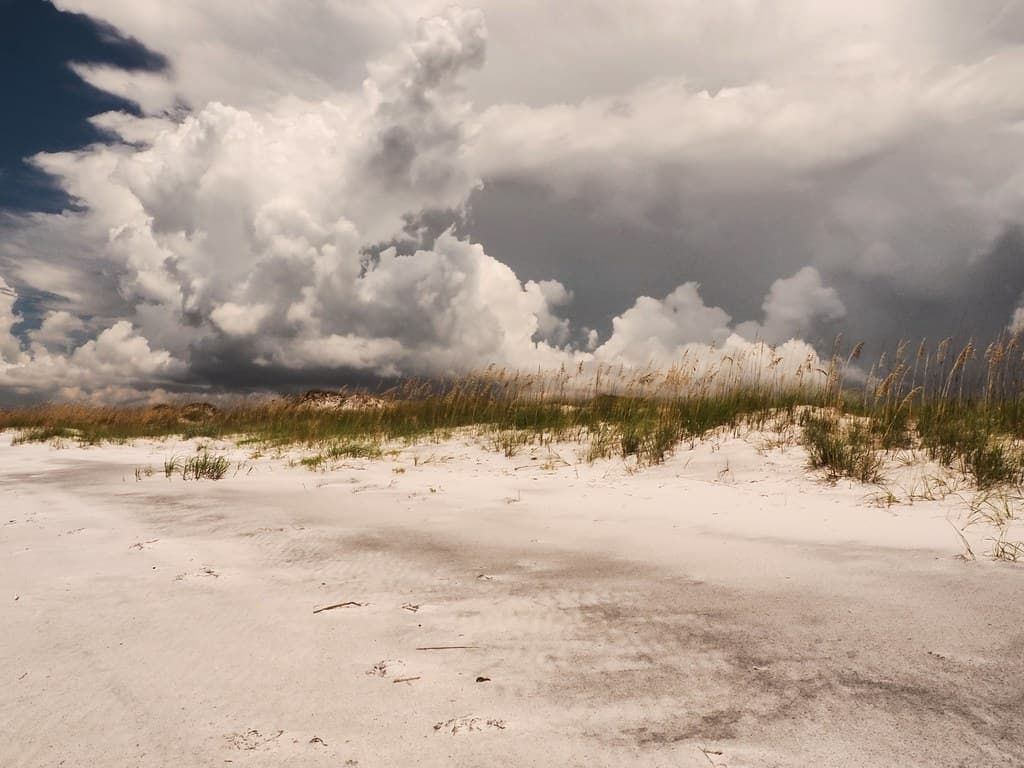
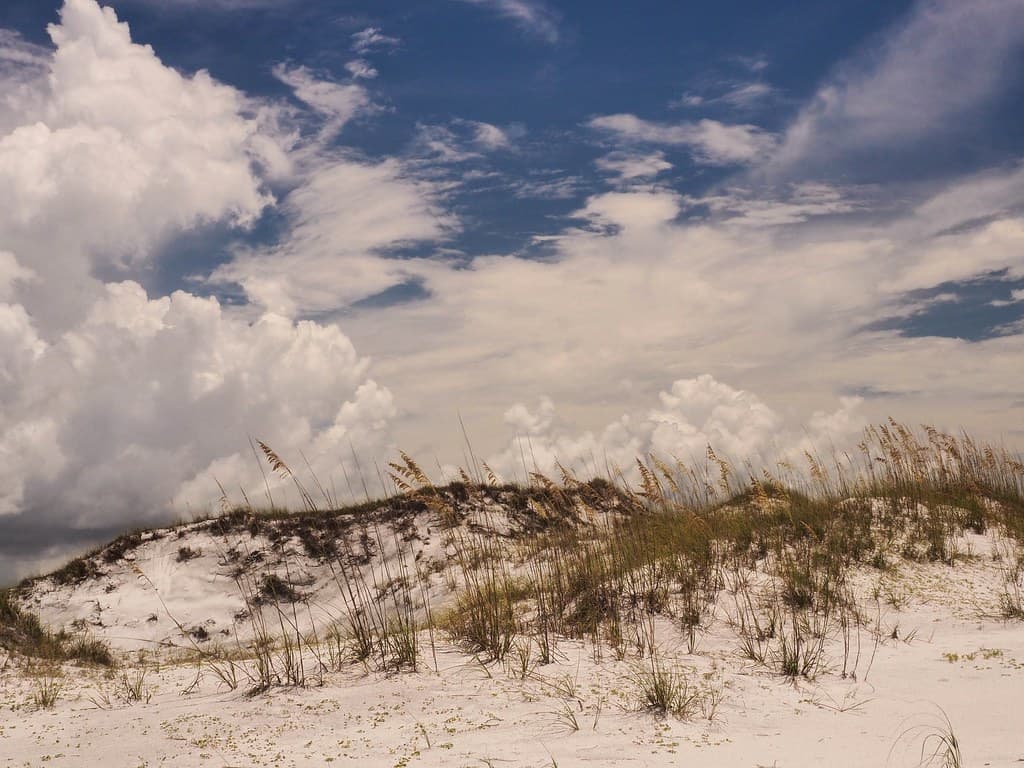
Topsail Hill features some of the highest and most pristine coastal sand dunes in Florida, with some reaching 25 feet or more in height. These ancient dunes are protected as part of the state's coastal dune lake ecosystem, which is globally rare. The preserve protects three coastal dune lakes—rare geological formations found in only a few locations worldwide. Elevated boardwalks and designated pathways allow visitors to observe this fragile ecosystem without damaging vegetation. The towering white dunes, covered with native sea oats and scrub vegetation, create dramatic scenery and provide crucial habitat for wildlife.