Counting the waves…
Counting the waves…

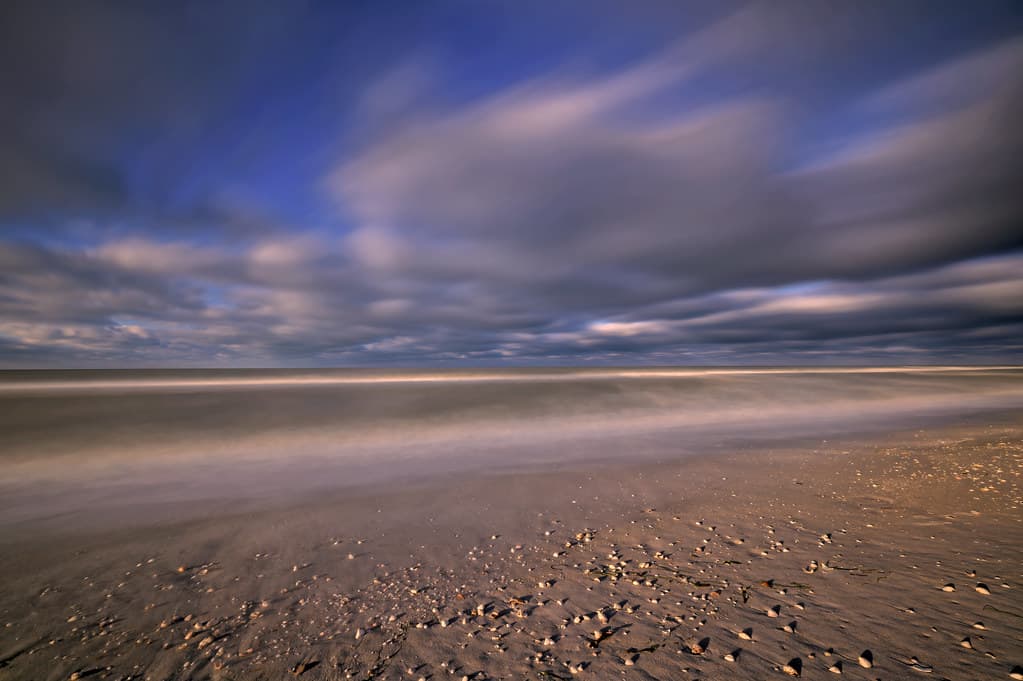
The ferry drops you at the western tip of Shell Island, and the contrast hits immediately: behind you, the high-rises of Panama City Beach glint in the sun; ahead, nothing but dunes, sea oats, and empty sand stretching toward the horizon. Because no roads reach this 700-acre barrier island, development never arrived. You walk east along the Gulf side, where the water glows that particular shade of green-blue that travel writers overuse but here actually earns its reputation. Sandbars emerge fifty feet offshore, creating knee-deep lagoons where stingrays glide past your ankles. The island narrows in places to just a hundred yards between Gulf and bay, and you'll cross over repeatedly, chasing shade under the slash pines or hunting the bayside flats where shells—lightning whelks, sand dollars, scallops—collect in drifts. Bottlenose dolphins patrol the pass at the eastern end, their fins cutting the surface in pairs and trios. By afternoon, the shuttle boats return in waves, but if you time your visit for late morning, you'll have whole stretches to yourself. Bring everything: there are no facilities, no freshwater, no shade structures. Just sand, sun, and that increasingly rare commodity—a Gulf Coast beach that looks the way it did before anyone thought to build on it.
Places, rentals, tours and events within walking and driving distance of Shell Island.
Photos
Swimming at Shell Island is generally safe, but conditions vary. The Gulf side typically offers calmer, clearer waters ideal for families, while the bay side can have stronger currents. There are no lifeguards on duty, so swim at your own risk. Watch for jellyfish, especially in summer months, and be aware of changing tides and occasional rip currents. Always supervise children closely. Check weather forecasts before visiting, as storms can create dangerous conditions quickly. The remote nature means emergency response times are longer than at mainland beaches.
Shell Island is accessible year-round, but spring (March-May) and fall (September-November) offer ideal conditions with comfortable temperatures, fewer crowds, and calmer seas. Summer (June-August) brings warm water perfect for swimming but also peak crowds, higher ferry prices, and afternoon thunderstorms. Winter months can be pleasant for shelling and wildlife viewing, though water is cooler and seas choppier. Early morning visits any season provide the best shelling opportunities and wildlife sightings, plus you'll avoid afternoon heat and storms during summer.
Shell Island is only accessible by boat—there's no bridge or road access. Most visitors take shuttle boats from St. Andrew's State Park or Panama City Beach marinas, with trips running approximately every 30 minutes during peak season. Parking is available at departure points like St. Andrew's State Park (state park entrance fee required) or various marina locations along Thomas Drive. Private boat owners can navigate there independently. You can also rent pontoon boats, kayaks, or join guided tours. Book shuttle tickets in advance during summer to guarantee space.
Shell Island has no permanent facilities, restaurants, restrooms, or lodging—it's a completely undeveloped barrier island. Visitors must bring everything they need, including food, water, sunscreen, and shade. Pack out all trash to preserve the pristine environment. Portable toilets are sometimes available on shuttle boats but not guaranteed. The nearest restaurants, shops, and accommodations are in Panama City Beach, accessible via return shuttle or boat. Plan to bring a cooler, beach umbrella, and plenty of drinking water. Consider waterproof bags to protect belongings during the boat ride.
Shell Island earns its name from exceptional shelling opportunities, particularly along the Gulf side. The undeveloped 7-mile shoreline receives constant deposits of sand dollars, scallops, conchs, and unique shells from deep Gulf waters. Low tide reveals the best finds, especially early morning before other visitors arrive. The island's protected status means less competition from commercial collectors. Spring and fall often bring better variety after storms churn up deeper specimens. While collecting moderate amounts is allowed, avoid taking live shells with creatures inside to protect the ecosystem.