Counting the waves…
Counting the waves…

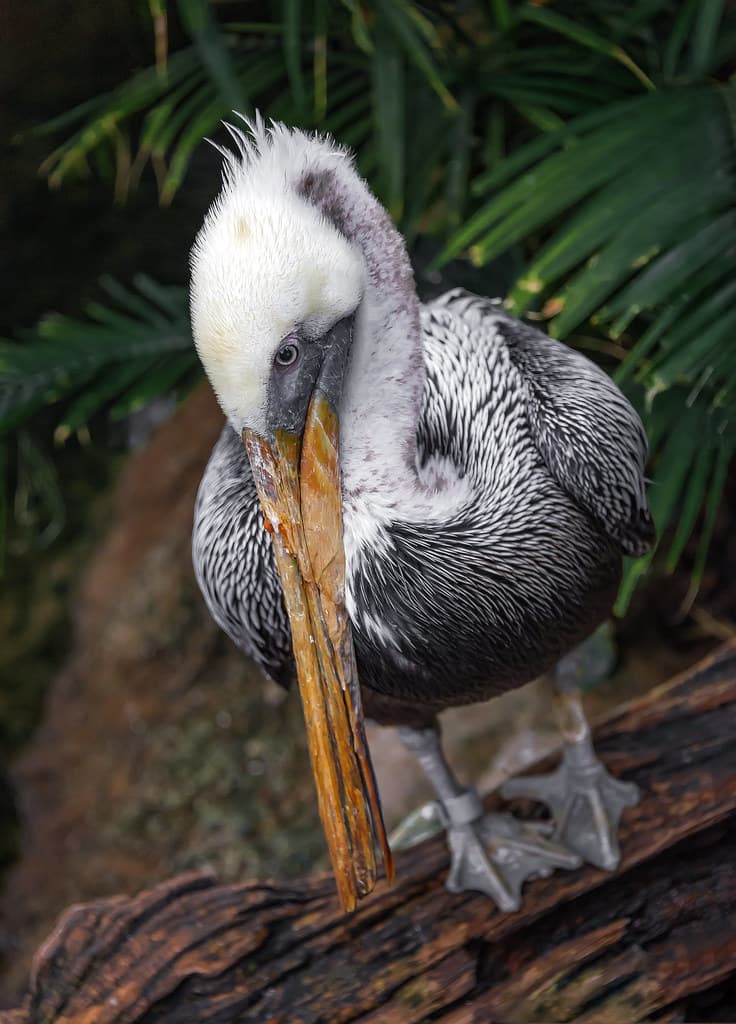
The sand here doesn't behave like typical beach grit. Compressed quartz grains squeak audibly underfoot, a phenomenon locals call "singing sand," and the pale substrate reflects enough afternoon sun to make you squint even through polarized lenses. You're standing on one of the few Florida beaches where the Gulf and St. Andrew Bay meet at a man-made jetty—rock slabs green with barnacles that funnel baitfish and anything hunting them into a narrow channel anglers have claimed since 1951. Two distinct shorelines mean you choose your water temperature and wave action. The Gulf side rolls in with consistent two-foot swells and bathtub warmth May through October; the bay offers glassy, protected shallows where toddlers can wade without getting knocked over. Between them, hiking trails cut through coastal scrub where gopher tortoises leave sandy burrows and ospreys nest in slash pines bent permanently eastward by prevailing winds. The park's 1,260 campsites and pavilions fill every weekend March through August, but the beach itself absorbs crowds across a mile-long stretch. You'll find your own patch of sand near the rock jetty at sunrise, when mullet jump in silver arcs and pelicans dive-bomb the outgoing tide. By noon, the snorkel trail off the jetty teems with families pointing underwater at spider crabs and Atlantic needlefish suspended in the eelgrass.
Places, rentals, tours and events within walking and driving distance of St. Andrews State Park Beach.
Photos
St. Andrews State Park Beach is generally safe for swimming, with lifeguards on duty during peak seasons at the main Gulf-side beach areas. The Gulf waters are typically calm with gentle waves, making them suitable for families with children. However, always check for posted flag warnings indicating water conditions—red flags mean dangerous currents or surf. The bay side offers even calmer, shallower waters ideal for young swimmers. Jellyfish can be present seasonally, and visitors should watch for stingrays in shallow areas. Swimming near the jetties requires caution due to stronger currents and rocks.
St. Andrews State Park Beach is enjoyable year-round, but late April through October offers the warmest water temperatures for swimming and snorkeling. Summer (June-August) brings peak crowds, higher humidity, and afternoon thunderstorms, though water is warmest. Spring (March-May) and fall (September-November) provide excellent weather with fewer visitors and comfortable temperatures in the 70s-80s°F. Winter months are quieter with mild days perfect for beachcombing, though water can be chilly for extended swimming. Hurricane season runs June through November, with September being the peak month for potential storms.
St. Andrews State Park is located at 4607 State Park Lane, about 3 miles east of Panama City Beach's main tourist strip. From US-98, turn south onto Thomas Drive and follow signs to the park entrance. There's an entrance fee per vehicle ($8 for up to 8 people as of recent rates). Ample parking is available throughout the park, with lots near both Gulf-side and bay-side beaches. Parking fills quickly on summer weekends and holidays, so arrive early. The park is accessible by car only—no public transportation serves the area directly.
St. Andrews State Park has limited food options—a seasonal concession stand near the main beach area offers snacks, drinks, and basic beach items, but operating hours vary. Most visitors bring coolers and picnic supplies. The park provides restrooms, outdoor showers, picnic pavilions, and grills. For full restaurant options, head back to Thomas Drive or Front Beach Road (2-3 miles away) where you'll find numerous seafood restaurants, cafes, and grocery stores. The park has no lodging on-site, but Panama City Beach offers abundant hotels, condos, and vacation rentals within a short drive.
Yes, one of St. Andrews State Park's unique features is the seasonal shuttle service to Shell Island, an undeveloped barrier island perfect for shelling and wildlife viewing. The shuttle typically operates from March through October, departing from the park's bay-side area. Round-trip tickets are reasonably priced (usually under $15 for adults), and the short boat ride takes about 10 minutes. Shell Island has no facilities, so bring water, sunscreen, and supplies. Alternatively, strong swimmers can wade across the shallow pass at low tide, though currents can be tricky and this isn't recommended for children.