Counting the waves…
Counting the waves…
A refined fusion of water purity, environmental stability, and communal vibrancy for Anastasia State Park Beach.
View MethodologyAnalyzed via live sensors and environmental data.
Wave height, wind, and atmospheric stability.
Live footfall and crowd balance metrics.
Community reviews and curated sentiment.
“You'll walk barefoot across sand composed of millions of tiny shells, each grain reflecting centuries of Atlantic tides. The scent of salt marsh and maritime hammock mingles with sunscreen as families spread blankets…”
Limited recent visitor reports — live OBI telemetry is your best guide for current conditions.
The beach at Anastasia State Park stretches in a gentle curve, framed by weathered sea oats that bend in the perpetual ocean breeze. Your feet sink into sand that feels different here—coarser, heavier, tinged beige-pink from crushed coquina shells that have tumbled in the surf for millennia. Behind you, a maritime hammock of wind-sculpted live oaks draped in Spanish moss gives way to tidal lagoons where herons stand motionless in ankle-deep water.
You can pitch a tent steps from the tideline at one of 139 campsites, or simply stake out your patch of sand for the day. The surf breaks gently most mornings, building as afternoon winds pick up from the southeast. Families cluster near the main pavilion while anglers wade into the shallows casting for whiting and pompano. By late afternoon, the light turns honey-gold, illuminating the dunes and painting long shadows across the flats where ghost crabs emerge from their burrows.
 Credit: Unsplash
people on beach during daytime
 Credit: Unsplash
ocean waves crashing on shore during daytime
Gentle breaks perfect for learners
Rent at Ancient City Outfitters
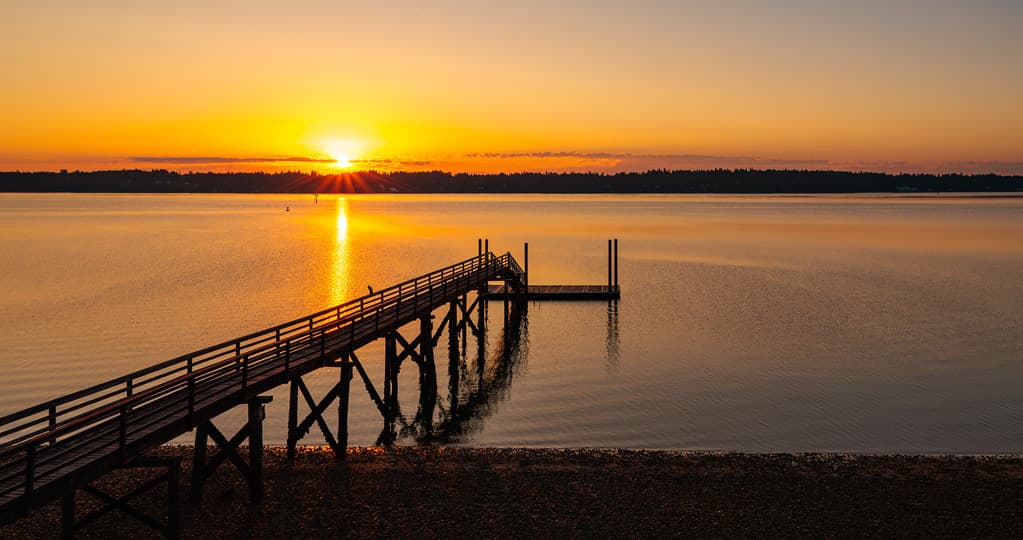
West-facing river views glow gold
Where it is
Anastasia State Park Beach
St. Augustine, Florida, USA
29.867900°, -81.271400°
Weather
Loading…
Swell
—
Temp
Warm · Restorative
UV Index
Moderate
Wind
—
Tidal State
Last known
Max Sunlight
—
Ideal Shade
—
May - Sep (Peak)
Jan - Dec (Off-season)
Historical data suggests peak visibility and stable sea temperatures occur during the prime visitation window.
Near Anastasia State Park Beach
Explore dining, stays, nightlife, and activities near Anastasia State Park Beach in St. Augustine, USA. Every listing below is a real place linked to this beach — open a card for reviews, maps, and booking options.
Food, cafés, and dining close to Anastasia State Park Beach — curated from places linked to this beach.
Stays and lodging options near Anastasia State Park Beach for your beach trip.
Bars and evening spots near Anastasia State Park Beach.
Activities, tours, and attractions near Anastasia State Park Beach.
Select a category to load nearby places.
Unlock restaurants, luxury stays and curated maritime experiences within 2km
Swimming at Anastasia State Park Beach is generally safe, with lifeguards on duty during peak seasons and designated swimming areas. The beach features gentle waves suitable for families, though Atlantic currents can strengthen during storms or high tide. Always check posted flags before entering the water—red flags indicate dangerous conditions. Jellyfish can appear seasonally, particularly in summer months. The park maintains clean facilities and staff monitor conditions regularly. For current water conditions, check with the ranger station at the park entrance or look for posted beach advisories.
Anastasia State Park Beach is accessible year-round, with each season offering different advantages. Spring (March-May) and fall (September-November) provide comfortable temperatures, fewer crowds, and pleasant water conditions. Summer brings warmest waters but higher humidity and afternoon thunderstorms. Winter offers mild weather ideal for beachcombing and wildlife viewing, though ocean temperatures drop. For optimal beach weather and swimming, visit April-October. Weekdays are less crowded than weekends. Sunrise and sunset are particularly stunning here, with the beach facing east for beautiful morning light.
Anastasia State Park Beach is located on Anastasia Island, about 4 miles south of downtown St. Augustine. Take A1A South and follow signs to the park entrance at 300 Anastasia Park Road. The park offers ample parking near the beach access points, included with the entrance fee (typically $8 per vehicle for up to 8 people). Parking lots rarely fill except on holiday weekends. The park opens at 8 AM year-round. No public transportation serves the park directly, so a personal vehicle or rideshare is necessary.
Anastasia State Park Beach has a beach store near the main pavilion selling snacks, drinks, beach supplies, and basic provisions, though options are limited. For full meals, you'll need to drive to nearby St. Augustine Beach (2 miles south) or downtown St. Augustine (4 miles north), both offering numerous restaurants. The park provides restrooms, outdoor showers, picnic pavilions, and grills. No lodging exists within the park itself, but the campground offers RV and tent sites. Nearby St. Augustine Beach has hotels, vacation rentals, and beach resorts within 10-15 minutes.
Anastasia State Park Beach stands out for its pristine, undeveloped 4-mile stretch protected within Florida's state park system, offering a more natural beach experience than the developed St. Augustine Beach area. Beyond the ocean beach, the park uniquely features ancient coquina rock formations visible at low tide, tidal marshes, maritime hammocks, and the Salt Run lagoon—perfect for kayaking and paddleboarding in calmer waters. The diverse ecosystems attract birdwatchers and nature enthusiasts. This combination of unspoiled beaches, ecological diversity, and recreational variety makes it distinctly different from typical Florida beach destinations.
Photos