Counting the waves…
Counting the waves…

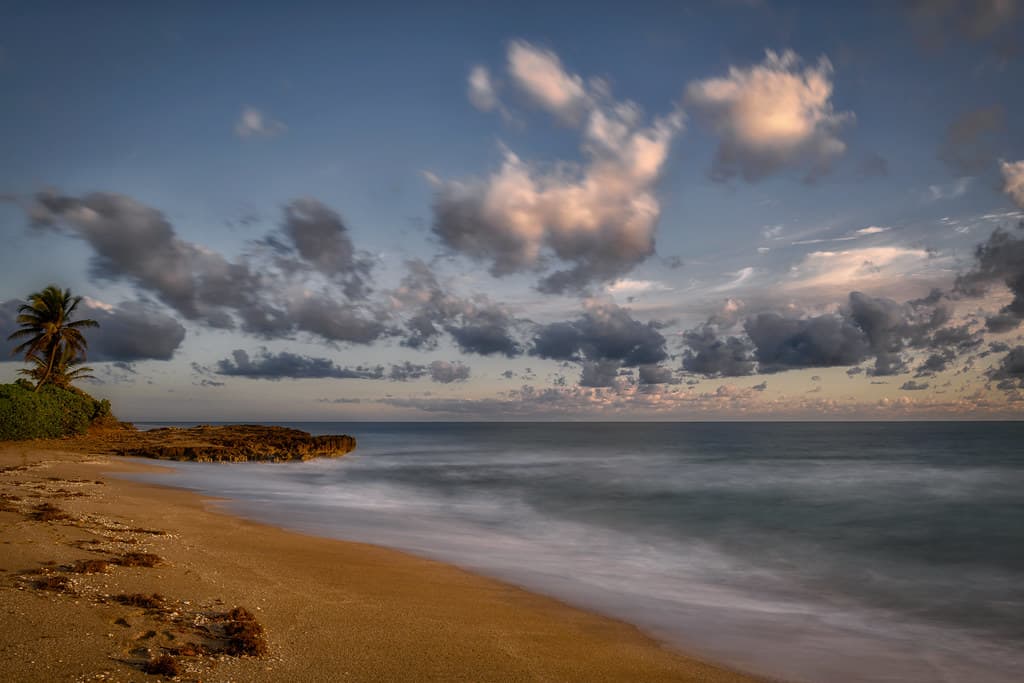
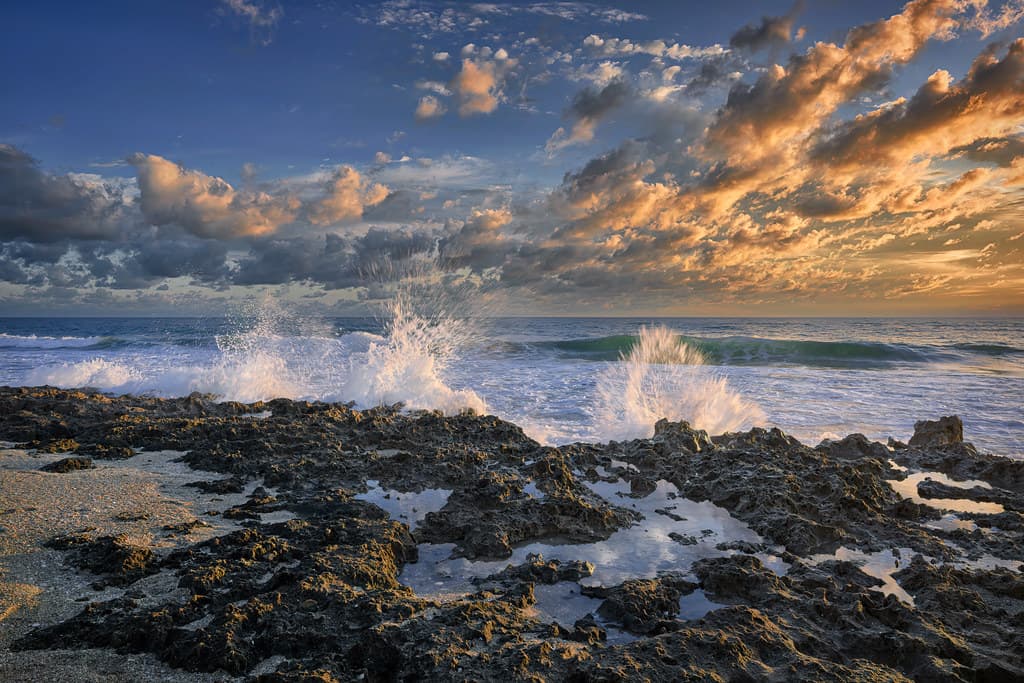
The moment you step onto the sand, you notice what's missing: waves. While neighboring beaches absorb the full force of Atlantic swells, Bathtub Reef lives up to its name, sheltered by a crescent of worm-rock reef that extends several hundred feet offshore. The reef does more than calm the water—it transforms this stretch of Stuart's coastline into an all-ages aquarium where you can stand waist-deep and watch schools of yellowtail snapper weave through staghorn coral. Low tide reveals the reef's architecture best. You'll walk across the pocked, honeycomb surface—slippery with algae, sharp in places—to reach tide pools teeming with hermit crabs, sea urchins, and the occasional octopus. Families cluster here for hours, children crouched over pools with plastic buckets, parents floating face-down with masks and snorkels. The water rarely exceeds four feet inside the protected zone, and visibility stretches fifteen feet on calm mornings. Beyond the reef, conditions change. The open Atlantic rushes against the seaward side, creating a natural boundary that keeps the lagoon tranquil. You'll find shade under the pavilion near the parking area, restrooms that actually function, and a boardwalk that offers a bird's-eye view of the entire reef system. Come at sunrise when the light turns the shallows turquoise and the crowds haven't yet claimed the best snorkeling spots near the southern rocks.
Places, rentals, tours and events within walking and driving distance of Bathtub Reef Beach.
Photos
Bathtub Reef Beach is exceptionally safe for swimming, especially inside the protected reef area where calm, shallow waters create a natural pool ideal for families with young children. The reef acts as a natural barrier against waves and currents. However, conditions vary with tides—low tide offers the calmest, clearest water for snorkeling. Always check local conditions before entering, wear water shoes to protect against rocks and coral, and stay within designated swimming areas. The reef itself is fragile, so avoid standing on or touching coral to preserve this unique ecosystem.
Bathtub Reef Beach is enjoyable year-round, with warm weather typical of South Florida. For optimal snorkeling, visit during low tide when water is calmest and clearest, allowing better visibility of marine life. Early mornings on weekdays offer fewer crowds and better parking availability. Summer months (June-September) bring warmer water but occasional afternoon thunderstorms. Winter and spring provide pleasant temperatures with less humidity. Check tide charts before your visit, as the reef experience is dramatically better at low tide when the protected lagoon is most accessible and snorkeling conditions are ideal.
Bathtub Reef Beach is located at 1585 SE MacArthur Boulevard in Stuart, Florida, on Hutchinson Island. The beach has a small public parking lot that fills quickly, especially on weekends and during peak season. Parking is free but limited to around 20-30 spaces. Arrive early in the morning for the best chance of finding a spot. Street parking along MacArthur Boulevard is also available. The beach is easily accessible from downtown Stuart by crossing the bridges to Hutchinson Island and heading south along A1A.
Bathtub Reef Beach has basic amenities including restrooms, outdoor showers, and picnic tables, but no on-site food services. The nearby town of Stuart, just a short drive away, offers numerous dining options ranging from casual beachside cafes to upscale restaurants. Several hotels, vacation rentals, and resorts are available on Hutchinson Island and in Stuart proper. For immediate needs, bring your own food, water, and snorkeling gear, though local shops near the beach area rent equipment. Plan to bring reef-safe sunscreen to protect the sensitive marine environment.
Bathtub Reef Beach's unique worm-rock reef creates a protected lagoon teeming with marine life. Snorkelers commonly spot colorful tropical fish, sea urchins, crabs, small lobsters, and various invertebrates among the reef formations. The reef itself is composed of coquina rock formations created by tube worms, making it geologically distinctive. Water clarity varies with tides and weather, with low tide offering the best visibility. While you won't see large coral formations like in the Caribbean, the biodiversity and accessibility make it an excellent introduction to snorkeling for beginners and children.