Counting the waves…
Counting the waves…

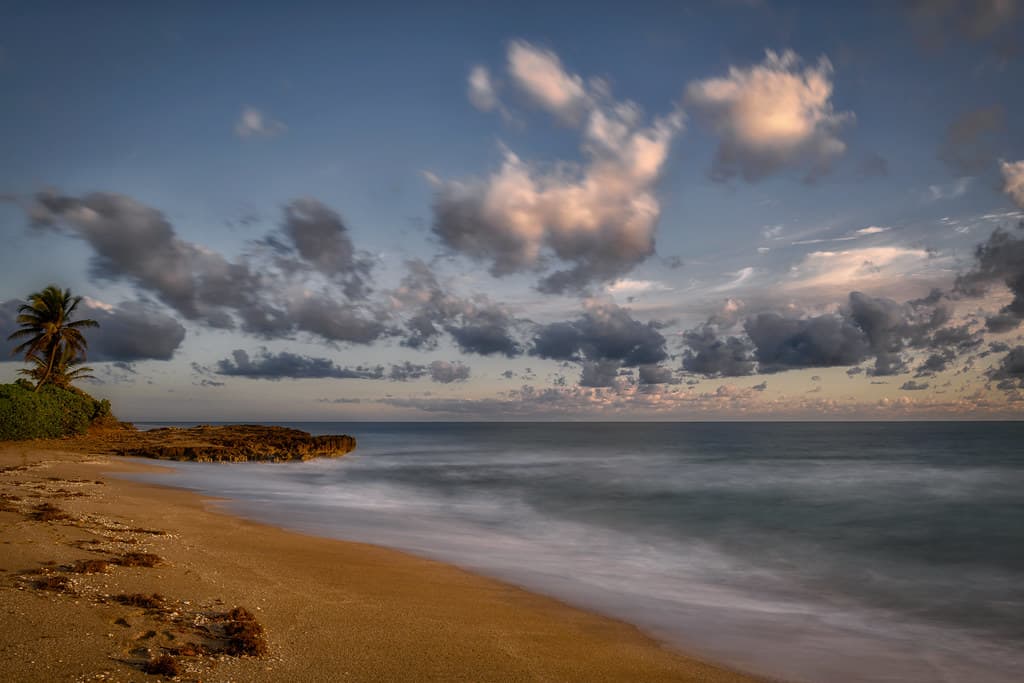
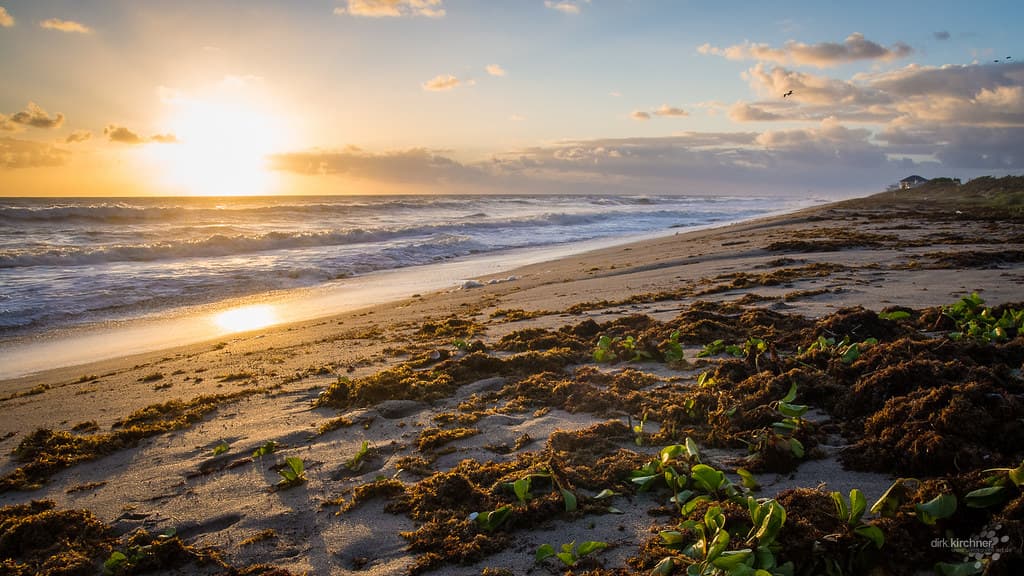
The boardwalk creaks under your sandals as you approach Stuart Beach, its planks sun-bleached and smoothed by a million crossings. Below, the beach spreads wide and flat, punctuated by weathered pier pilings that cast long shadows at dawn. This is the Treasure Coast's living room—a place where grandparents teach toddlers to read the tide while teenagers wax boards in the parking lot, salt already stiffening their hair. The sand here holds a weight that northern snowbirds notice immediately: packed firm enough for long walks, scattered with coquina shells that crunch softly underfoot. Waves arrive in predictable sets, gentle enough for boogie boards one hour, steep enough for shortboards the next. By late afternoon, the beach empties slightly, and you'll find your rhythm among the joggers and shell collectors who time their visits to the slanting light. As the sun drops toward the Intracoastal behind you, the eastern sky turns lavender, then rose. Families gather near the lifeguard stands, thermoses open, watching the Atlantic darken from turquoise to navy. The same pier that fishermen line at dawn becomes a silhouette now, and the consistency of this ritual—sunset after sunset, season after season—is exactly why Stuart Beach remains Martin County's heartbeat.
Places, rentals, tours and events within walking and driving distance of Stuart Beach.
Photos
Stuart Beach generally offers calm, swimmable conditions suitable for families. The beach features lifeguards during peak season and designated swimming areas. Water clarity varies depending on weather and tides, with occasional seaweed. Rip currents can occur, so always check posted flags and warnings. The gradual slope makes it ideal for children, though supervision is essential. During summer, jellyfish may be present. Showers and restrooms are available on-site. The beach is part of the Treasure Coast, so you might spot interesting shells and marine life while wading.
Stuart Beach is enjoyable year-round thanks to Florida's subtropical climate. Winter (December-March) offers pleasant temperatures in the 70s°F with lower humidity and fewer crowds, ideal for comfortable beach days. Summer (June-August) brings warmer waters perfect for swimming but higher humidity and afternoon thunderstorms. Spring and fall provide excellent middle-ground conditions. Sunrise and sunset are particularly beautiful year-round. For surfing, fall and winter typically bring better wave conditions. Hurricane season runs June through November, so monitor forecasts during these months.
Stuart Beach has a dedicated parking lot directly adjacent to the beach with approximately 60 spaces. Parking is typically free, making it accessible for budget-conscious visitors. The lot can fill quickly on weekends and holidays, so arrive early during peak times. The beach is located at the east end of East Ocean Boulevard in Stuart. From downtown Stuart, head east across the Roosevelt Bridge, then follow Ocean Boulevard to the beach. The location is easily accessible by car, and the proximity of parking to the beach makes it convenient for families with gear.
Stuart Beach offers basic amenities including restrooms, outdoor showers, and picnic pavilions. While there's no on-site food concession, numerous restaurants and cafes are within a short drive in downtown Stuart and along Ocean Boulevard. The nearby area features casual seafood restaurants, cafes, and ice cream shops. Grocery stores are available for those wanting to pack picnics. For lodging, Stuart and the surrounding Treasure Coast area offer hotels, vacation rentals, and resorts within minutes of the beach, ranging from budget-friendly to upscale waterfront properties.
Stuart Beach is part of Florida's Treasure Coast, named for the Spanish treasure fleet that sank offshore during a 1715 hurricane. The region stretches along Florida's east coast and is famous for coins, gold, and artifacts that still occasionally wash ashore, especially after storms. Beachcombing is popular here, with visitors searching for shells, sea glass, and potential treasure remnants. While finding actual Spanish treasure is rare, the area's maritime history adds unique character. The Treasure Coast designation encompasses Martin, St. Lucie, and Indian River counties.