
Counting the waves…
Counting the waves…
A refined fusion of water purity, environmental stability, and communal vibrancy for Driftwood Beach.
View MethodologyAnalyzed via live sensors and environmental data.
Wave height, wind, and atmospheric stability.
Live footfall and crowd balance metrics.
Community reviews and curated sentiment.
“You walk among bleached driftwood sculptures that once stood as maritime forest—gnarled limbs twisted by wind, roots exposed like bone. The Atlantic slowly devours Jekyll Island's northern shore, leaving behind this…”
Limited recent visitor reports — live OBI telemetry is your best guide for current conditions.
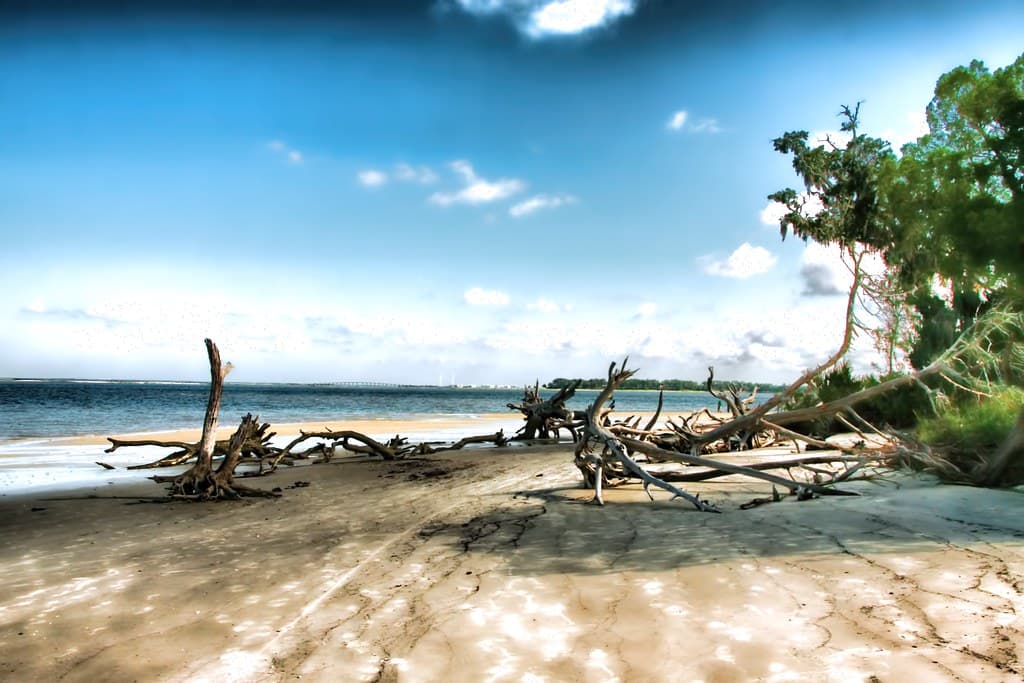
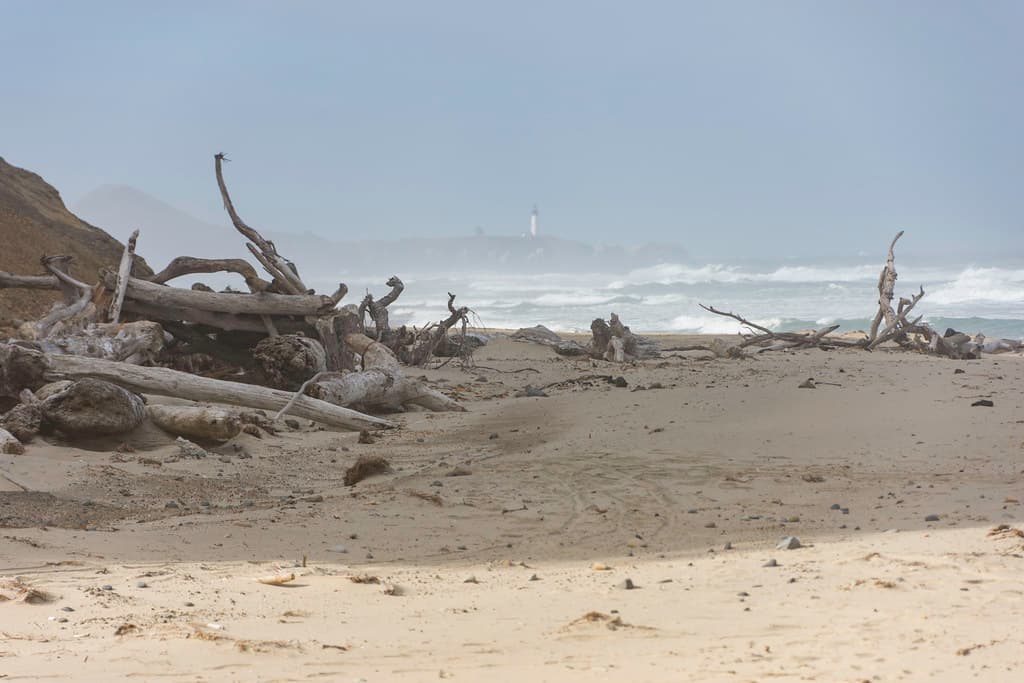
Forget umbrella rentals and volleyball nets. Driftwood Beach is where erosion has become art installation, centuries-old live oaks and pines toppled and stripped by tides into sculptural forms that sprawl across the sand. You'll thread between trunks wider than your armspan, their bark long gone, the wood beneath polished to pewter. The roots splay upward like frozen lightning. Some trees lie horizontal for fifty feet; others lean at impossible angles, still clinging to eroding dunes.
The beach is best at dawn, when fog clings to the Intracoastal Waterway behind you and the low light carves shadows into every knot and crevice. Photographers camp here with tripods. Families clamber over the larger trunks. The sand itself is firm and gray-brown, scattered with oyster shells and the occasional whelk. Waves are gentle—this is barrier island coastline, protected and shallow.
Shoot sunrise through skeletal branches
Climb fallen oaks and pines
Perch on logs, no chairs
Where it is
Driftwood Beach
Jekyll Island, Georgia, USA
31.102200°, -81.404300°
Weather
Loading…
Swell
—
Temp
Warm · Restorative
UV Index
Moderate
Wind
—
Tidal State
Last known
Max Sunlight
—
Ideal Shade
—
May - Sep (Peak)
Jan - Dec (Off-season)
Historical data suggests peak visibility and stable sea temperatures occur during the prime visitation window.
Select a category to load nearby places.
Unlock restaurants, luxury stays and curated maritime experiences within 2km
Swimming is not recommended at Driftwood Beach. The area features exposed tree stumps, driftwood, and submerged roots that create hazardous conditions for swimmers. Strong currents and erosion also make the waters unsafe. Driftwood Beach is primarily a scenic destination perfect for photography, nature walks, and beachcombing. If you want to swim during your Jekyll Island visit, head to nearby beaches like Great Dunes Beach Park or South Dunes Beach, which have lifeguards during summer months and safer swimming conditions with sandy bottoms and gentler surf.
Driftwood Beach is stunning year-round, but early morning and late afternoon offer the best lighting for photography, especially during golden hour. Spring and fall provide comfortable temperatures and fewer crowds compared to summer. Low tide is ideal for exploring the full expanse of driftwood and walking among the tree skeletons. Winter visits can be peaceful and atmospheric, though temperatures are cooler. Sunrise visits are particularly magical, with soft light illuminating the bleached driftwood. Check tide schedules before your visit to maximize your experience and access to the unique formations.
Driftwood Beach is located on the northern end of Jekyll Island. From the main entrance, follow North Beachview Drive to Clam Creek Picnic Area, where free parking is available. The beach is a short walk from the parking lot. Alternatively, you can bike via Jekyll Island's extensive trail system—bike rentals are available at various island locations. No parking pass is required, but you'll pay a parking fee when entering Jekyll Island via the causeway. The walk from the parking area to the beach is easy and suitable for most fitness levels.
Driftwood Beach itself has no facilities, restrooms, or food services—it's a natural, undeveloped area. However, Jekyll Island offers numerous dining options and accommodations within a short drive. The Jekyll Island Club Resort, Days Inn, and Holiday Inn Resort are popular lodging choices. Restaurants like Tortuga Jack's, Driftwood Bistro, and Latitude 31 serve fresh seafood and Southern cuisine. The historic district and beach village area, about 10-15 minutes away, have additional dining and shopping options. Pack snacks and water for your beach visit, and plan meals elsewhere on the island.
The iconic driftwood formations are the result of decades of coastal erosion on Jekyll Island's north end. As the shoreline has receded, maritime forests that once stood inland have been gradually consumed by the ocean. Salt water killed the trees, leaving behind bleached, weathered skeletons of oak, pine, and cedar. This natural process continues today, creating an ever-changing landscape. The trees' gnarled, sculptural forms have made Driftwood Beach famous for photography and have been featured in films and commercials. It's a powerful example of nature's constant reshaping of barrier islands.