Counting the waves…
Counting the waves…

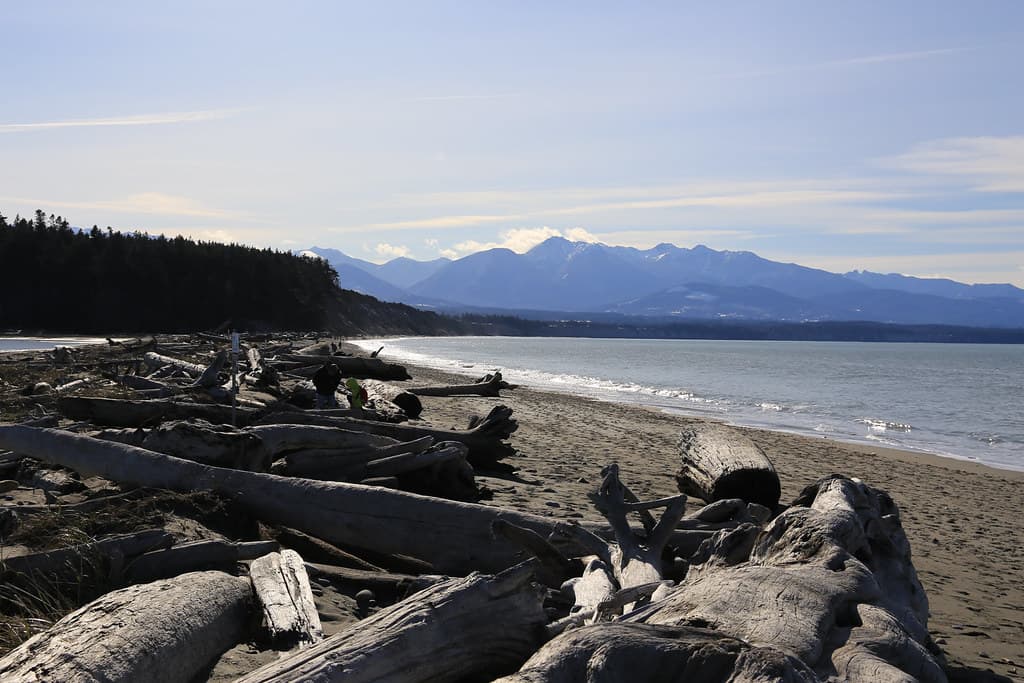
The forty-five-minute ferry from St. Marys docks at Sea Camp, where a short boardwalk through sea oats and wax myrtle opens onto the kind of beach that vanished from most of the Eastern Seaboard decades ago. You'll spread your blanket on sand that shows more shorebird tracks than footprints, watching descendants of Spanish mustangs graze near the dunes. The National Seashore caps daily visitors at three hundred, so even in summer you can walk a mile and count beachcombers on one hand. Bring everything you need—there are no concessions, no Wi-Fi, no lifeguards. Ranger programs run from the Sea Camp dock area, and five miles of trails loop through live oak hammocks where armadillos root in the leaf litter. The campground sits a quarter-mile inland, close enough that you hear surf through your tent walls at night. Families return year after year because children can roam tidal pools unsupervised and build driftwood forts without navigating beach traffic. The water stays swimmable from April through October, though strong swimmers handle the year-round rip currents better than novices. Pack out everything you pack in—the island's wildness depends on it, and rangers enforce leave-no-trace rules seriously.
Places, rentals, tours and events within walking and driving distance of Sea Camp Beach.
Photos
Sea Camp Beach on Cumberland Island does not have lifeguards on duty. Swimming is generally safe during calm conditions, but be aware of strong currents, especially during tidal changes. The beach is exposed to the Atlantic Ocean, so waves and undertows can occur. Always supervise children closely and check tide schedules before entering the water. Wildlife like jellyfish may be present seasonally. Since the island is remote with limited emergency services, exercise caution and swim at your own risk.
Sea Camp Beach is accessible year-round, with each season offering different experiences. Spring (March-May) and fall (September-November) provide mild temperatures, fewer crowds, and excellent wildlife viewing. Summer brings warm water and longer days but higher humidity and more visitors. Winter offers solitude and comfortable hiking temperatures, though ocean water is chilly. Be aware that ferry service to Cumberland Island has limited daily departures and reduced schedules in winter. Advance ferry reservations are essential during peak seasons.
Sea Camp Beach is only accessible via the Cumberland Island Ferry from St. Marys, Georgia. The ferry departs from the St. Marys waterfront and takes about 45 minutes. There is no vehicle access to Cumberland Island, so visitors must walk or bike from the Sea Camp Dock. Free parking is available at the St. Marys ferry terminal. Ferry reservations are strongly recommended and can be made through the National Park Service. The walk from the dock to the beach is approximately 0.5 miles.
Cumberland Island has extremely limited amenities. Sea Camp has a developed campground with restrooms and cold showers but no food services or stores on the island. You must bring all food, water, and supplies from the mainland. The only lodging on the island is primitive camping or the historic Greyfield Inn. St. Marys, the ferry departure point, offers restaurants, grocery stores, and various hotels. Pack out all trash, as there are no waste facilities beyond the dock area.
Yes, Cumberland Island is famous for its wild horses, and Sea Camp Beach is one area where you might encounter them. These feral horses roam freely throughout the island and often appear on beaches and along trails. While sightings aren't guaranteed, they're relatively common. Federal law prohibits approaching, touching, or feeding the horses—maintain at least 50 feet distance. The horses are protected and considered part of the island's natural ecosystem, adding to the unique wilderness experience of visiting this barrier island.