Counting the waves…
Counting the waves…

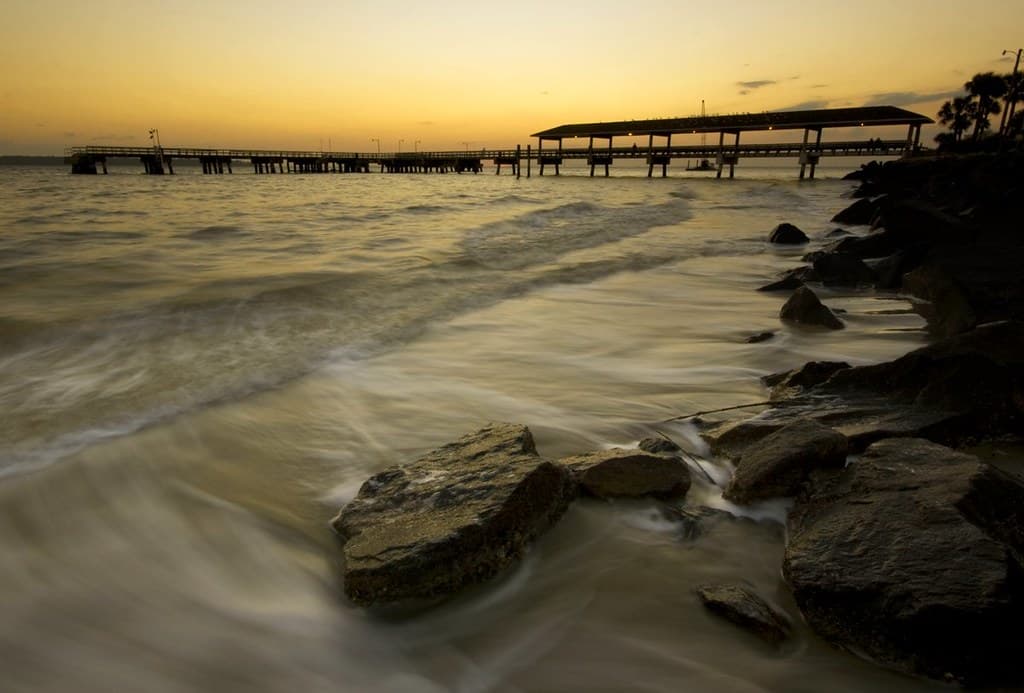
Goulds Inlet sits where the Atlantic squeezes between St. Simons and Sea Island, a narrow throat of water that transforms placid Georgia coastline into something unpredictable. The inlet's mouth reshapes itself constantly—sandbars migrate, channels deepen overnight, and the beach you walked yesterday may be twenty yards narrower today. This restlessness creates the rare gift of rideable surf along a coast better known for marshes and maritime forests. You'll arrive at the island's southern edge, where the paved road yields to sand and the beach curves sharply toward the inlet. The water here runs slate-blue to brown depending on sediment load, and the competing forces of outgoing tide and incoming swell generate peaks that break hard and fast when conditions align. Local surfers study moon phases and wind forecasts with the devotion of farmers, knowing that a southeast swell paired with dropping tide can deliver head-high sets for a few precious hours. Beyond the break, the inlet serves as a highway for bottlenose dolphins threading between feeding grounds, their dorsal fins cutting the surface in pairs. Oystercatchers probe the exposed bars at low water, their orange bills bright against wet sand. The beach stretches north toward the village in a long sweep of beige interrupted by driftwood tangles and the occasional shark's tooth—reminders that this shoreline belongs as much to the tide as to the island itself.
Places, rentals, tours and events within walking and driving distance of Goulds Inlet Beach.
Photos
Swimming at Goulds Inlet Beach requires caution due to strong currents and rip tides, particularly near the inlet where the Atlantic Ocean meets the tidal creek. The inlet's shifting sandbars and unpredictable currents make it hazardous for inexperienced swimmers. There are no lifeguards on duty. Wading and surf fishing are popular alternatives, but always stay aware of tidal changes. If you choose to swim, stay close to shore, avoid the inlet channel itself, and never swim alone. Check local conditions and tide schedules before visiting.
Goulds Inlet Beach is accessible year-round, with each season offering different experiences. Spring and fall provide comfortable temperatures (65-80°F) with fewer crowds, ideal for beachcombing and wildlife viewing. Summer brings warm weather and higher visitor numbers, perfect for sunbathing despite occasional afternoon thunderstorms. Winter offers solitude and excellent bird watching, though water temperatures are cool. Early morning visits provide the best opportunities to spot dolphins and collect shells. Tide timing matters more than season—low tide exposes extensive sandbars and creates better conditions for exploration.
Goulds Inlet Beach is located at the southern tip of St. Simons Island, accessible via a walk from Gould's Inlet Park. From Frederica Road, turn onto Ocean Boulevard and follow signs to the park entrance on Bruce Drive. Free parking is available in a small lot at Gould's Inlet Park, though spaces fill quickly during peak season and weekends. From the parking area, it's a short walk across the dunes and boardwalk to reach the beach. The inlet area is also accessible by walking south along East Beach.
While Goulds Inlet Beach itself has no facilities, St. Simons Island village is approximately 3-4 miles north and offers numerous dining options, from casual seafood restaurants to upscale bistros. The nearby East Beach area has several beachfront vacation rentals. Major accommodations include The King and Prince Beach & Golf Resort and Sea Palms Resort, both within a short drive. There are no restrooms, showers, or food vendors at the inlet itself, so bring your own supplies. Several grocery stores and shops are available in the village area.
Goulds Inlet is considered one of Georgia's best surf spots because the inlet's jetties and sandbars help shape incoming waves, creating more consistent surfable conditions than most Georgia beaches. The inlet configuration can produce rideable waves during the right swell and tide combinations, particularly during fall and winter nor'easters or tropical storm activity. However, waves remain smaller and less consistent than traditional surf destinations. Local surfers carefully time sessions with tidal flow and swell direction. The shifting sandbars and currents require ocean experience and local knowledge.