Counting the waves…
Counting the waves…

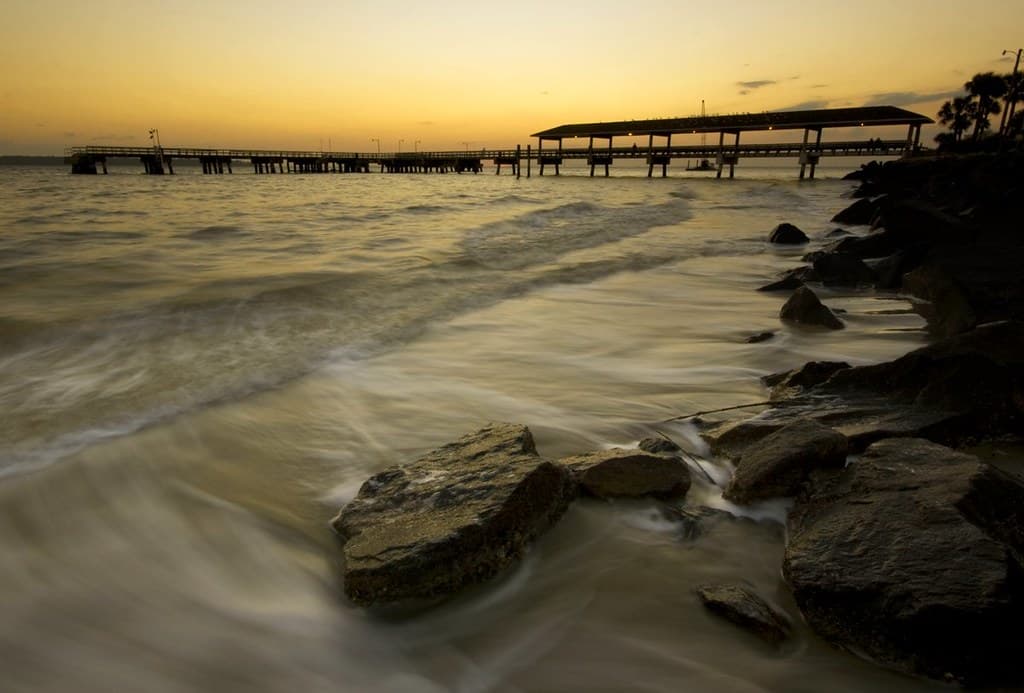
The beach exists in constant conversation with the tide. At low water, vast sandbars emerge like temporary islands, their ridged surfaces still wet and gleaming, dotted with periwinkle shells and the delicate tracks of sanderlings. The Hampton River channels through in ribbons of gray-green, its current strong enough that you feel it tugging at your calves when you wade across the shallows. Oystercatchers work the exposed mudflats, their orange bills bright against the beige sand. This is not a place for beach umbrellas and coolers. The landscape refuses to stay still long enough. By afternoon, the incoming tide reclaims the flats, and what was a hundred-yard walk to open ocean becomes a swim through moving water. Marsh grass sways along the river's edge, releasing that sulfurous perfume peculiar to Georgia's Golden Isles, while pelicans glide low over the breakers beyond the bar. You come here to watch the geometry change—to see how water writes and rewrites the same stretch of sand. The river mouth catches the slant light differently every hour, turning from pewter to amber to deep bronze as the sun drops toward the mainland. It's a beach that asks you to pay attention, to notice the inch-by-inch negotiation between river and sea.
Places, rentals, tours and events within walking and driving distance of Hampton River Mouth Beach.
Photos
Hampton River Mouth Beach has calm, gentle waters ideal for wading and splashing, but swimming conditions vary with tides. The river mouth creates shallow areas perfect for families with children. However, strong currents can develop during tidal changes, so monitor conditions carefully. There are no lifeguards on duty, so swim at your own risk. The beach's sheltered location typically means calmer waters than ocean-facing beaches on St. Simons Island. Check tide schedules before visiting and supervise children closely near the water.
Hampton River Mouth Beach is enjoyable year-round thanks to Georgia's mild coastal climate. Summer (June-August) offers warm water temperatures in the 80s°F, though expect humidity and afternoon thunderstorms. Spring and fall provide comfortable temperatures with fewer crowds, ideal for beachcombing and wildlife watching. Winter visits are pleasant for shell hunting and peaceful walks, with daytime temperatures typically in the 60s°F. Visit during low tide for the best beach exploration, when sandbars and tidal pools appear along the river mouth.
Hampton River Mouth Beach is located at the southern end of St. Simons Island near the Coast Guard station. Access requires walking through residential areas, as there's no dedicated parking lot. Most visitors park along nearby streets like Bruce Drive or along Arnold Road, respecting posted signs and private property. It's about a 5-10 minute walk from street parking to the beach. The unmarked access point contributes to this beach's hidden, uncrowded character, making it less accessible than major St. Simons beaches.
Hampton River Mouth Beach has no on-site amenities, so bring everything you need including water, snacks, and shade. The nearby village area of St. Simons Island, about 2-3 miles north, offers numerous restaurants, shops, and accommodations ranging from beachfront resorts to vacation rentals. Popular dining options include Southern Soul BBQ and Barbara Jean's. For closer conveniences, you'll find a few casual eateries along Frederica Road. Most visitors stay in St. Simons Village and drive to this quieter beach for a peaceful escape.
Hampton River Mouth Beach offers a secluded, scenic alternative to busier St. Simons beaches. Its location where the Hampton River meets the ocean creates unique tidal pools, sandbars, and excellent opportunities for observing shorebirds and marine life. The beach remains relatively undiscovered, providing a peaceful atmosphere without facilities or crowds. Beautiful views of Little St. Simons Island across the water enhance the natural setting. Beachcombers appreciate the diverse shells and driftwood that collect near the river mouth, making it ideal for quiet contemplation and photography.