Counting the waves…
Counting the waves…

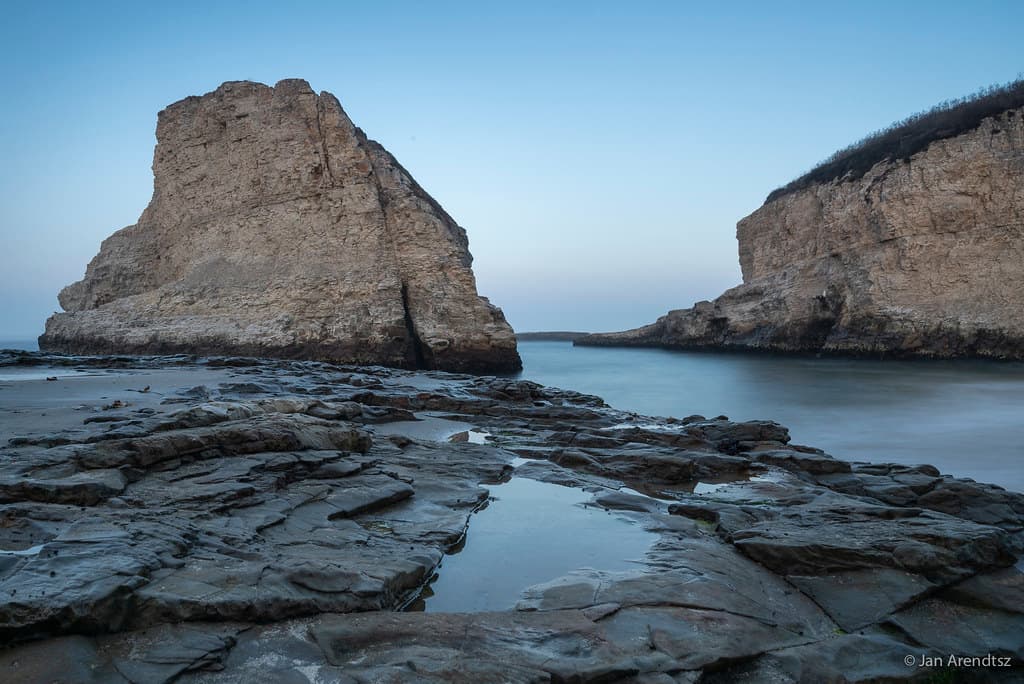
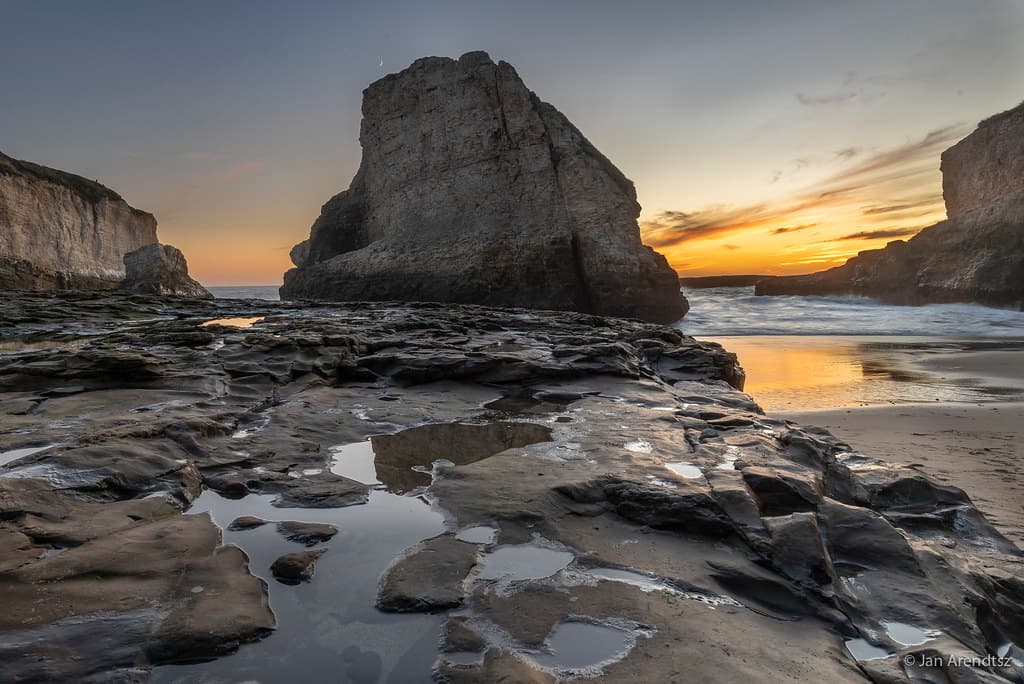
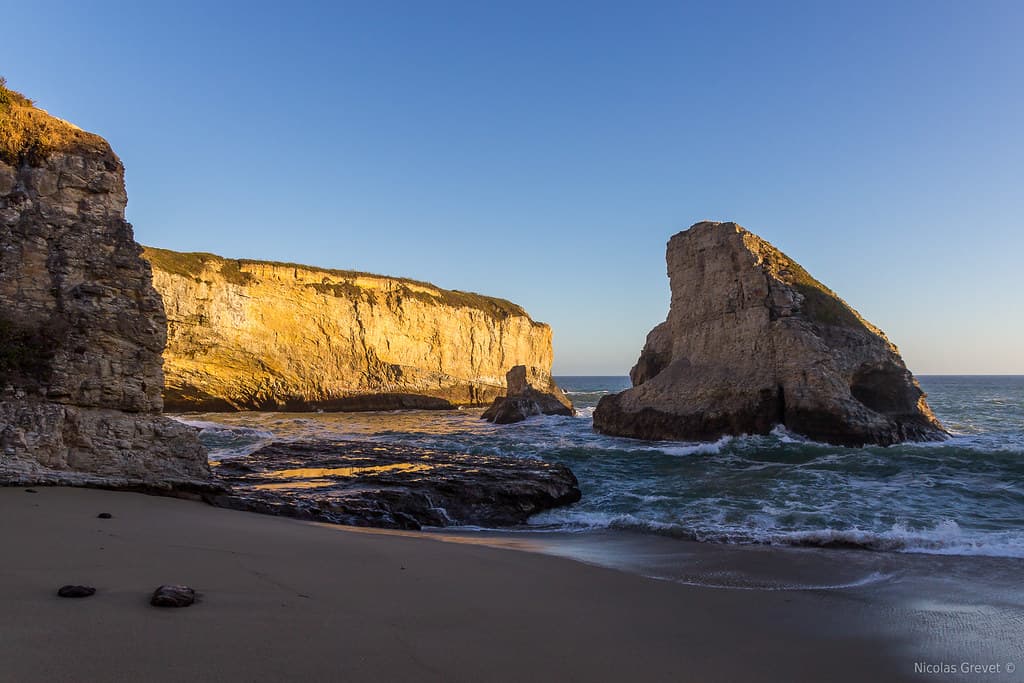
Pupukea Marine Life Conservation District protects this jagged cove carved from ancient lava flows on Oʻahu's North Shore. The name misleads: sharks rarely patrol these shallows, though you'll spot whitetip reef sharks if you venture to the deeper channels beyond the protective rock walls. What you will find are honeycombed tide pools at ebb tide, warm as bathtubs and teeming with urchins, hermit crabs, and juvenile reef fish learning to hunt in ankle-deep water. When the tide rises and waves calm—typically May through September—the cove becomes an underwater amphitheater. You'll fin through narrow swim-throughs between lava formations, following schools of convict tangs into caverns where light filters down in cathedral shafts. The rocky entry demands reef-safe footwear and confident ocean skills; there's no lifeguard, no sandy stretch for wading in gradually. Locals arrive at dawn with masks already spat-clean, scanning the surface for that telltale glassy sheen that signals calm conditions. The left side of the cove offers easier snorkeling over coral gardens in twelve feet of water. Venture right, and the bottom drops to thirty feet along a ridge where octopuses den and eagle rays glide past on incoming swells. Winter transforms this sanctuary into a spectator zone—North Shore surf pounds the outer reef, and wise visitors watch from the lava benches instead of entering the churn.
Places, rentals, tours and events within walking and driving distance of Shark?? Cove.
Photos
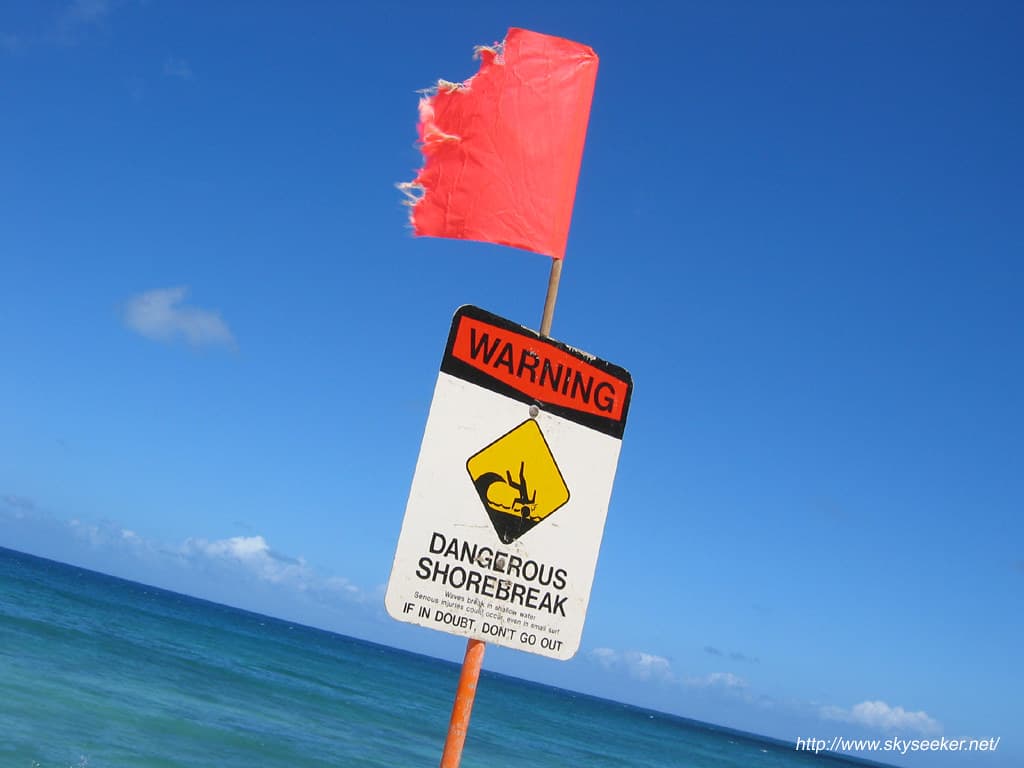
Shark's Cove is generally safe for swimming and snorkeling during calm summer months (May-September), when the water is clear and tranquil. However, winter swells (October-April) create dangerous conditions with strong currents, high surf, and poor visibility, making the cove unsuitable for water activities. The rocky entry requires careful navigation even in calm conditions—wear reef shoes to protect your feet. Despite its name, shark encounters are extremely rare. Always check current conditions before entering, avoid the cove during high surf advisories, and never swim alone.
The best time to visit Shark's Cove is during summer months, from May through September, when ocean conditions are calmest and visibility can reach 30-60 feet underwater. Arrive early morning (7-9 AM) for the clearest water, fewer crowds, and better marine life viewing. Winter months (October-April) bring large North Shore swells that make the cove dangerous and often completely inaccessible. Mid-week visits are less crowded than weekends. Always check local surf reports and ocean conditions before your visit, as conditions can change quickly.
Shark's Cove is located on Kamehameha Highway (Route 83) in Pupukea, about 30 minutes north of Haleiwa town. There's a dirt parking lot directly across from the cove on the mauka (mountain) side of the highway, but it fills quickly, especially on weekends. Arrive before 9 AM to secure parking. Additional roadside parking is available along the highway, but be careful not to block driveways. From Waikiki, it's roughly an hour's drive via H1 and H2. The cove entrance is marked, located between Waimea Bay and Turtle Bay Resort.
Shark's Cove has minimal facilities—portable restrooms and outdoor showers are available, but no lifeguards are stationed here. The Foodland Pupukea shopping center is less than a mile south, offering a supermarket, restaurants, and food trucks serving plate lunches and shave ice. Several food trucks often park near the cove entrance. For lodging, you'll need to stay in nearby Haleiwa (15 minutes south) or Turtle Bay Resort (10 minutes north). Bring your own snorkeling gear, as rental options nearby are limited. Pack water, snacks, and sun protection.
Shark's Cove offers exceptional marine biodiversity with vibrant coral formations, underwater lava tubes, and caves to explore. Snorkelers commonly encounter green sea turtles, schools of tropical fish including tangs, butterflyfish, and parrotfish, plus occasional octopus, eels, and colorful reef fish. The rocky formations create diverse habitats at various depths, making it popular with both snorkelers and scuba divers. The cove's protected nature during summer months creates ideal conditions for observing Hawaii's reef ecosystem. Despite the name, actual shark sightings are extremely uncommon in this shallow, rocky area.