
Counting the waves…
Counting the waves…

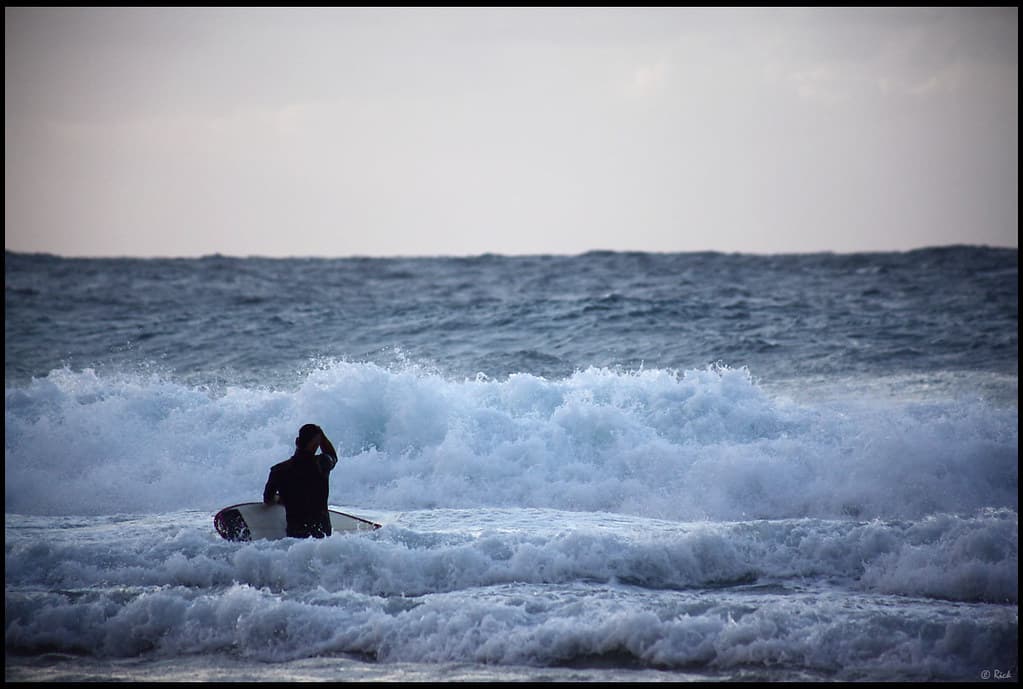
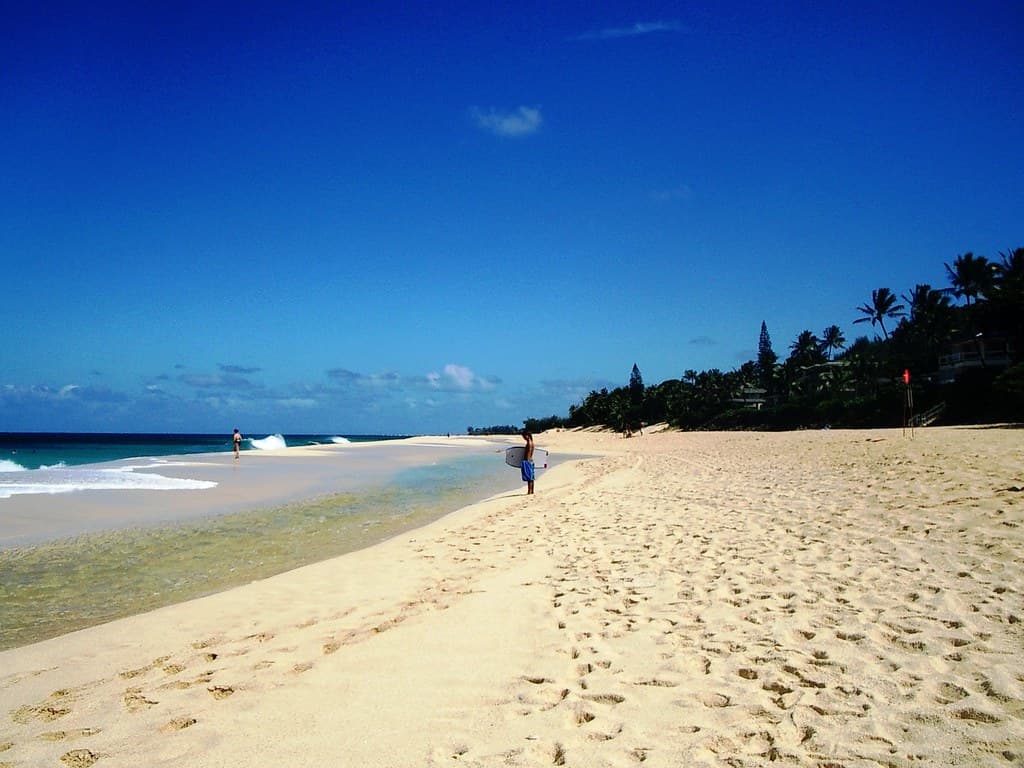
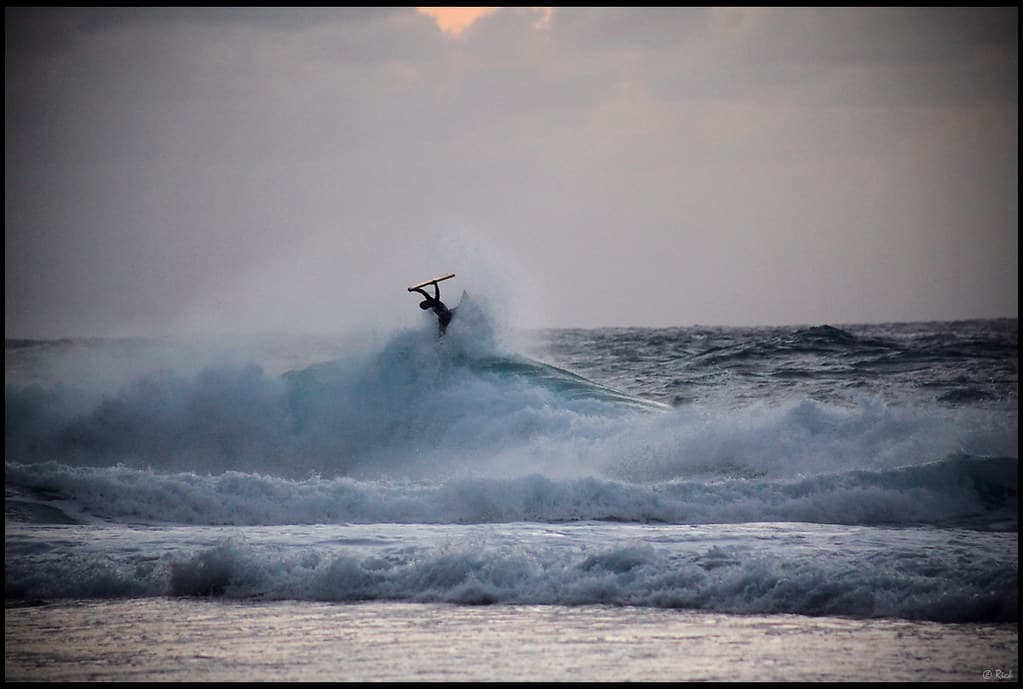
The parking lot fills before dawn in winter, surfers waxing boards under streetlights while the ocean growls in darkness. By first light, you're standing on sand watching silhouettes drop into waves that feather, then detonate into cylindrical tunnels of green water. The Pipeline breaks just fifty yards offshore, close enough to see surfers' faces inside the barrel, close enough to hear the roar when the lip crashes down. Summer brings a different beach entirely. The reef that creates those monster tubes lies exposed at low tide, and the ocean flattens into knee-high ripples. Families spread towels where, four months earlier, contest scaffolding held photographers shooting million-dollar action shots. You can snorkel the same reef that humbles professionals, peering at the volcanic ledges and channels that sculpt the winter swells. The beach park itself is unadorned—a grass lawn, outdoor showers, a narrow strip of golden sand. No concessions, no rentals, nothing between you and the wave that made surfing history. Lifeguard towers stand like sentries, their flags snapping in the trade winds that groom each swell. On big days, the crowd on shore rivals the lineup in the water, everyone drawn to witness what happens when ocean meets reef at precisely the wrong angle.
Places, rentals, tours and events within walking and driving distance of Ehukai Beach Park.
Photos
Swimming safety at Ehukai Beach varies dramatically by season. During summer (May-September), waters are generally calmer and safer for swimming, though caution is always advised. Winter months (October-April) bring massive swells that create the famous Banzai Pipeline waves, making swimming extremely dangerous due to powerful currents, shallow reef, and large surf. Even experienced swimmers should avoid the water during big winter swells. Always check posted warning signs, observe conditions carefully, and when in doubt, stay on shore. Lifeguards are on duty daily.
The best time depends on your goals. For watching world-class surfing, visit during winter (December-February) when massive North Shore swells create the legendary Banzai Pipeline waves, attracting professional surfers worldwide. Summer months (May-September) offer calmer conditions suitable for swimming and snorkeling. The beach is accessible year-round with warm temperatures averaging 75-85°F. For the Vans Triple Crown of Surfing competition, plan for November through December. Arrive early morning for parking and smaller crowds regardless of season.
Ehukai Beach Park is located on Oahu's North Shore along Kamehameha Highway (Route 83), about 40 miles from Waikiki (1-1.5 hour drive). There's a small free parking lot at the beach, but it fills quickly, especially during winter surf season and competitions. Arrive before 9am for better parking chances. Overflow parking along the highway is limited and often restricted. The nearest major town is Haleiwa, about 7 miles south. Public bus route 52 serves the area but has limited frequency.
Ehukai Beach Park has basic facilities including restrooms, outdoor showers, and picnic tables, but no food vendors on-site. The nearby Foodland Pupukea (1 mile away) offers groceries and prepared foods. For restaurants, head to Haleiwa (7 miles south) which has numerous dining options including shrimp trucks, cafes, and restaurants. Ted's Bakery, famous for chocolate haupia cream pie, is nearby on Sunset Beach. Bring your own food, water, and supplies as options immediately adjacent to the beach are very limited.
Absolutely not. The Banzai Pipeline at Ehukai Beach is exclusively for expert surfers and is considered one of the world's most dangerous waves. It breaks over a shallow, sharp reef creating powerful, hollow barrels that have caused serious injuries and deaths. Even experienced surfers require years of big-wave training before attempting Pipeline. Beginners should take lessons at beginner-friendly beaches like Waikiki. You can safely watch Pipeline from shore, which offers spectacular viewing of professional surfers, especially during winter competitions.