Counting the waves…
Counting the waves…

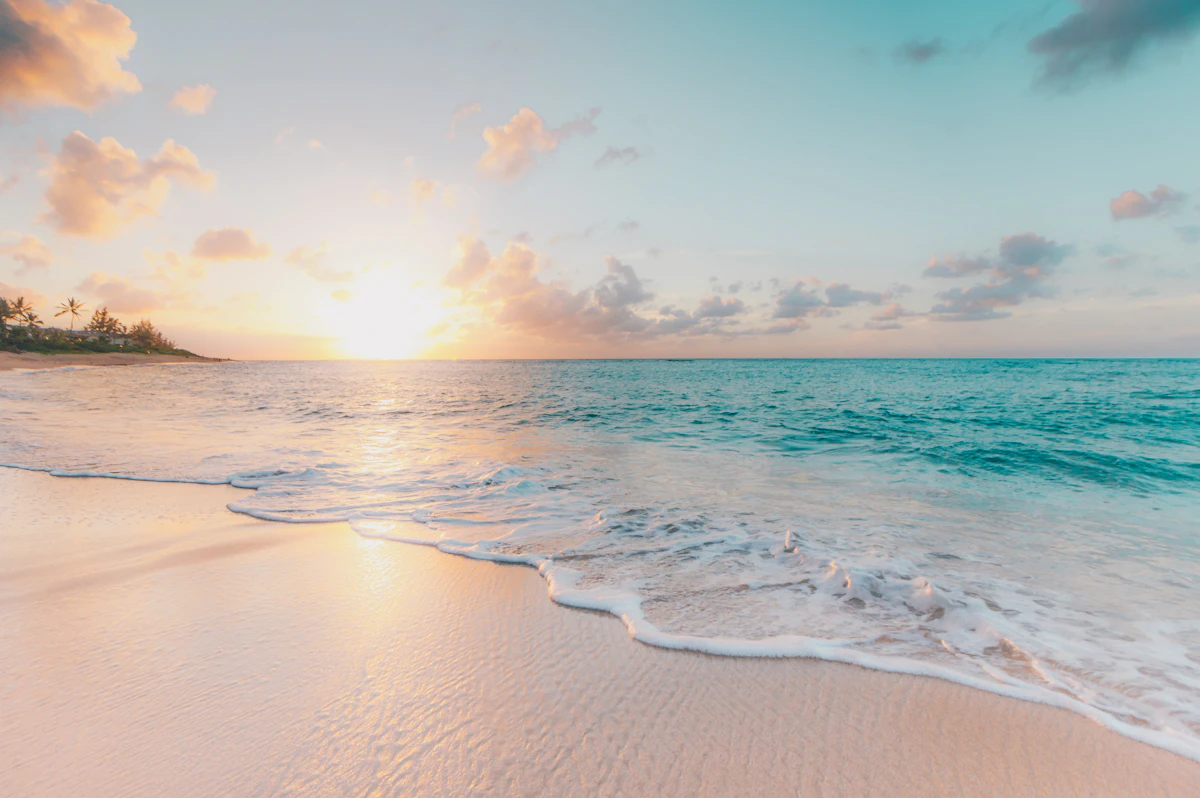
The ironwood trees lean so far over Lumaha'i Beach that their needles carpet the golden-brown sand in rust-colored drifts. You reach this north-shore crescent via a short, steep path from the highway pullout—muddy after rain, root-snarled year-round—and emerge where lava boulders the size of shipping containers break the shoreline into pockets. The river mouth at the western end spreads wide and shallow most months, though winter swells close it off entirely. Most visitors pause at the overlook, snap a photo, and leave. Descend anyway. The beach reveals itself in layers: tide pools trapped between basalt fingers, driftwood logs bleached silver by salt, the rustle of hala trees behind the berm. Waves hammer the reef with enough force that lifeguards don't station here; the shorebreak can flip you in knee-deep water. Swim only in rare summer calms, and never near the river mouth where currents braid toward open ocean. You're here for the theater of it—the way light catches spray on black rock, the trade winds combing through ironwood canopies, the knowledge that Mitzi Gaynor once pretended to wash a man right out of her hair in these shallows. Bring water, reef-safe sunscreen, and the humility to sit still. Lumaha'i rewards observation, not conquest.
Places, rentals, tours and events within walking and driving distance of Lumaha?i Beach.
Photos
Lumahai Beach is generally not recommended for swimming due to dangerous conditions. The beach lacks a protective reef, resulting in strong currents, powerful shore breaks, and unpredictable rip tides that have caused drownings. There are no lifeguards on duty. The western end near the Lumahai River mouth tends to be calmer during summer months, but conditions change rapidly. Even experienced swimmers should exercise extreme caution. The beach is best enjoyed for its stunning scenery and photography rather than swimming. Always check current conditions and never turn your back on the ocean.
Lumahai Beach can be visited year-round, but summer months (May through September) typically offer calmer ocean conditions and less rainfall, though swimming remains risky even then. Winter brings larger surf, stronger currents, and more frequent rain showers. For photography and sightseeing, early morning or late afternoon provides the best lighting to capture the dramatic mountain backdrop. The beach is beautiful in any season, but be prepared for Kauai's north shore weather patterns, which can include sudden rain squalls. Weekday mornings tend to be less crowded than weekends.
Lumahai Beach is located along Kuhio Highway (Route 560) between Hanalei and Haena, about 5 miles west of Hanalei town. There's a small, unmarked pullout parking area on the ocean side of the highway near mile marker 4-5. The parking lot is limited and fills quickly. From there, a steep, often muddy trail leads down to the beach. Alternatively, you can access the western end from a pullout near the Lumahai River with easier beach access. The highway can be winding and narrow, so drive carefully.
Lumahai Beach has no facilities whatsoever—no restrooms, showers, picnic tables, or concessions. This is a completely undeveloped beach, so bring everything you need, including water, snacks, and sun protection. Pack out all trash. The nearest restaurants, shops, and accommodations are in Hanalei, about 5 miles east, where you'll find grocery stores, restaurants, vacation rentals, and hotels. Gas up and gather supplies in Hanalei or Princeville before heading to this remote beach. The closest public restrooms are at Tunnels Beach or Haena Beach Park further west.
Yes, Lumahai Beach served as a filming location for the 1958 movie South Pacific, where Mitzi Gaynor famously sang "I'm Gonna Wash That Man Right Outa My Hair." The beach's dramatic backdrop of lush mountains and black lava rocks made it instantly recognizable. This Hollywood connection contributes to its popularity with visitors seeking that iconic tropical paradise setting. However, the beach's natural beauty stands on its own—its golden sand, turquoise waters, and scenic caves create stunning photo opportunities that continue to attract photographers and sightseers from around the world.