Counting the waves…
Counting the waves…

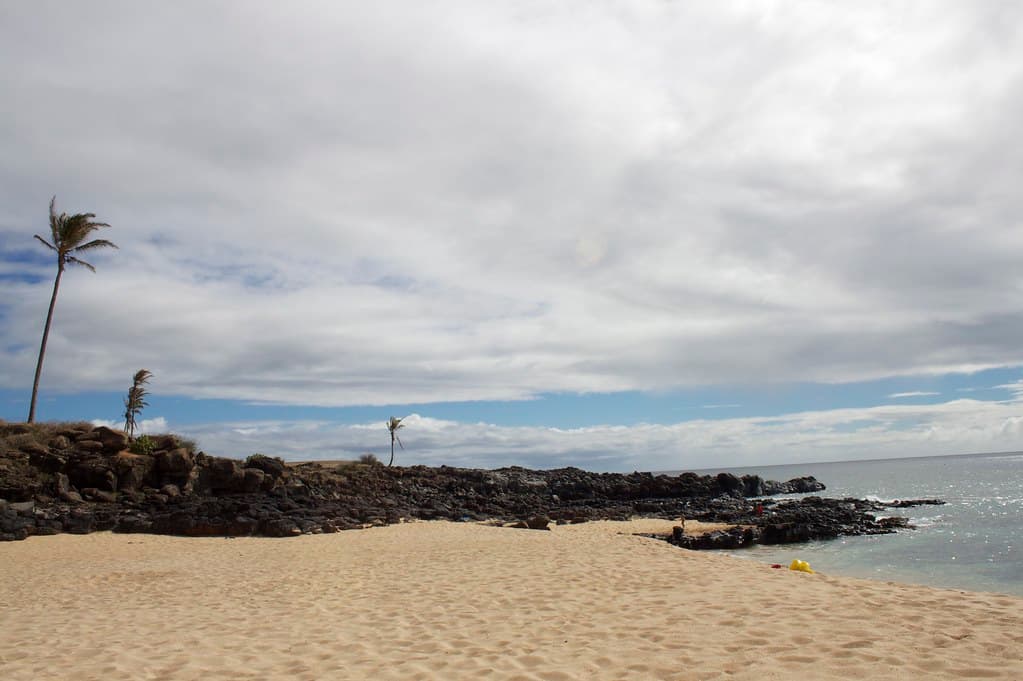
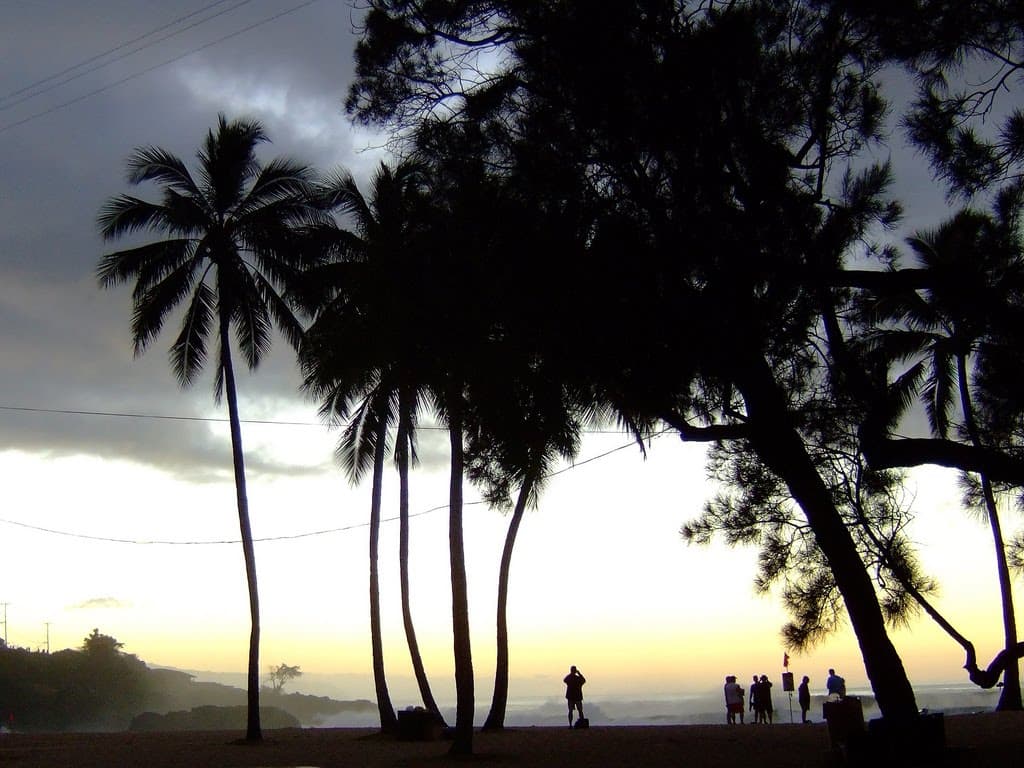
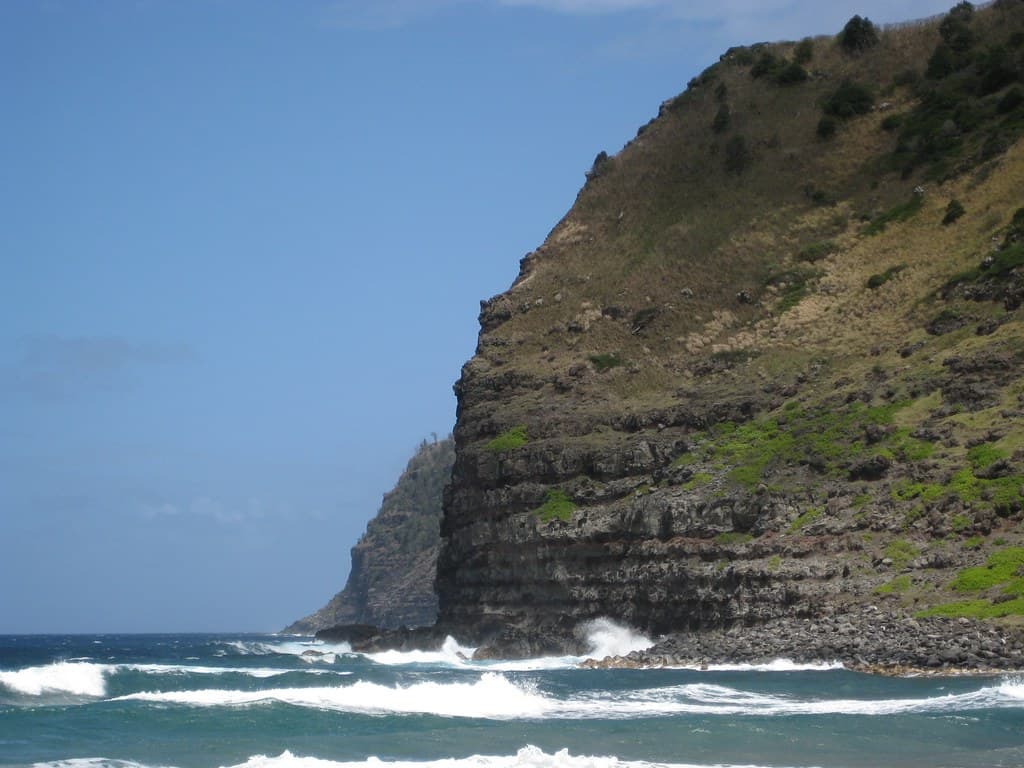
Halawa Beach Park sits at the terminus of Highway 450, where Moloka'i's inhabited world simply ends. The beach curves in a tight arc beneath the youngest valley in the island chain, its black-pepper sand evidence of the island's volcanic bones. Ironwood trees lean over picnic tables, their needles carpeting the grass, and a freshwater stream cuts across the beach before vanishing into the surf. The swimming here demands respect. Winter swells funnel directly into the bay, creating shore break that slams against the steep drop-off. Summer calms the water enough for wading, though the current never fully surrenders. Local families claim the shaded tables on weekends, grilling under the ironwoods while kids splash in the stream mouth. You'll see maybe a dozen other people on a busy afternoon. The real draw is the valley itself—ancient taro terraces climbing toward twin waterfalls, stone platforms marking centuries of habitation. You'll need a guide to hike beyond the beach (landowners enforce this strictly), but the view from the sand tells the story: steep pali walls, dense jungle, and the sense that Moloka'i keeps this corner intentionally distant from the rest of the world.
Places, rentals, tours and events within walking and driving distance of Halawa Beach Park.
Photos
Swimming conditions at Halawa Beach Park vary significantly by season and weather. Winter months typically bring larger swells and stronger currents, making swimming hazardous. Summer generally offers calmer conditions, though currents can still be present. The beach has a rocky bottom and shoreline in some areas. Always check current conditions before entering the water, avoid swimming during high surf advisories, and never swim alone. There are no lifeguards on duty, so exercise extra caution and stay close to shore if you're unfamiliar with the area.
Halawa Beach Park can be visited year-round, but summer months (May through September) typically offer the calmest ocean conditions and most reliable weather. Mornings generally provide the best light for photography and fewer crowds. Winter brings larger waves that attract experienced surfers but make swimming dangerous. The beach is relatively sheltered, so it often remains accessible even when other Molokai beaches face rough conditions. Weekdays tend to be quieter than weekends, giving you a more secluded experience at this already hidden gem.
Halawa Beach Park is located on Molokai's remote eastern shore, approximately 27 miles from Kaunakakai town via Highway 450 (Kamehameha V Highway). The scenic coastal drive takes about one hour. The road is paved but winding with narrow sections, so drive carefully. Free parking is available in a small unpaved lot near the beach. The beach is easily accessible from the parking area. Be aware that this is a rural location with no facilities, so plan accordingly and bring everything you need for your visit.
Halawa Beach Park has minimal amenities—there are basic restroom facilities but no food vendors, restaurants, or stores nearby. The nearest town, Kaunakakai, is about 27 miles away and offers grocery stores, restaurants, and limited lodging options. You must bring all food, water, and supplies with you. There's no drinking water at the beach. Pack out all trash, as waste facilities are limited. For accommodation, most visitors stay in Kaunakakai or other central Molokai locations, as there are no hotels or resorts in the immediate Halawa area.
Halawa Beach Park sits at the mouth of historic Halawa Valley, one of Molokai's most culturally significant areas and oldest settlements. While you can view the valley from the beach, accessing the valley's interior, including its famous waterfalls, requires permission and typically a guided tour with local families who steward the land. Several cultural tour operators offer guided hikes that share Hawaiian history, traditional practices, and valley legends. These tours must be arranged in advance and provide meaningful context you won't get hiking independently. Respect all private property signs and cultural protocols.