Counting the waves…
Counting the waves…

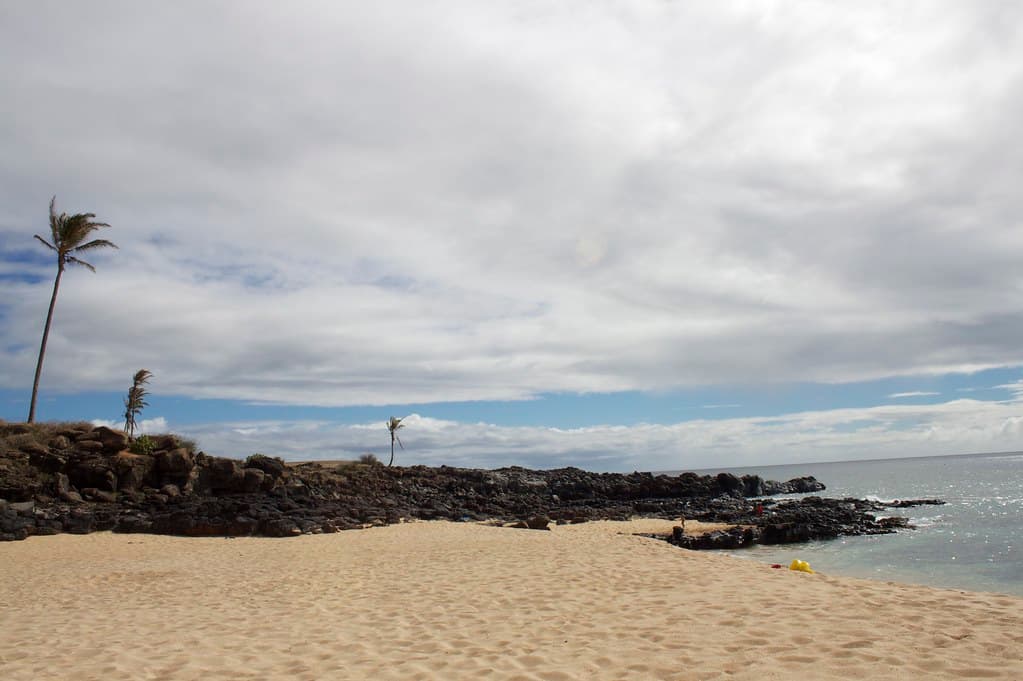
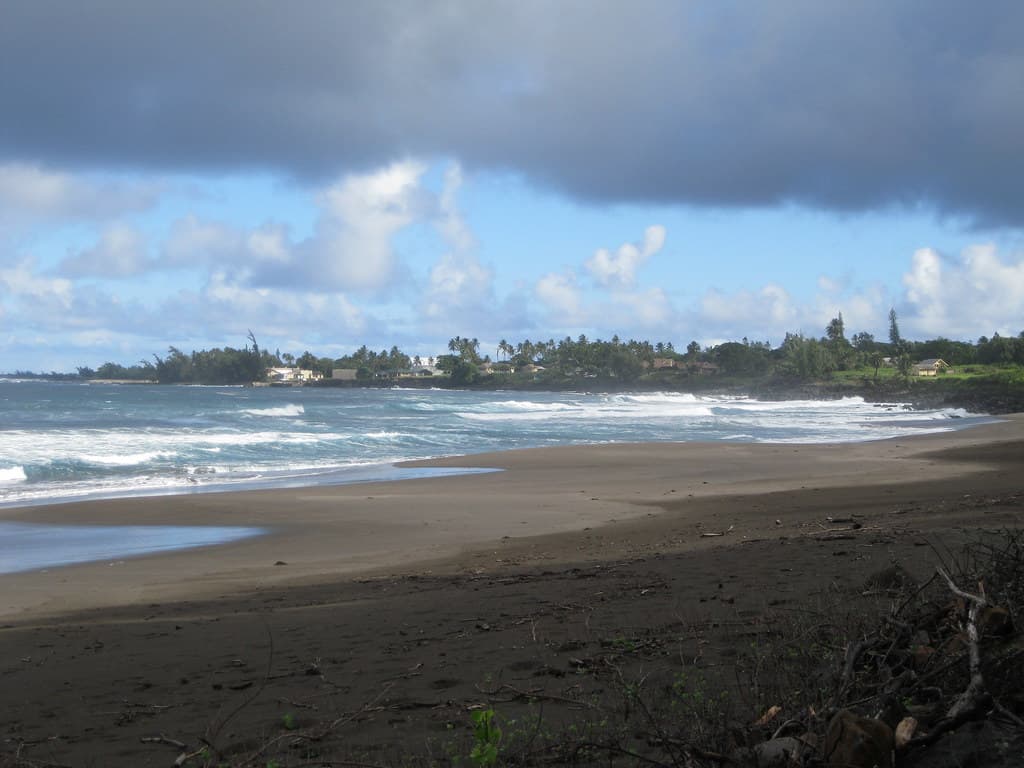
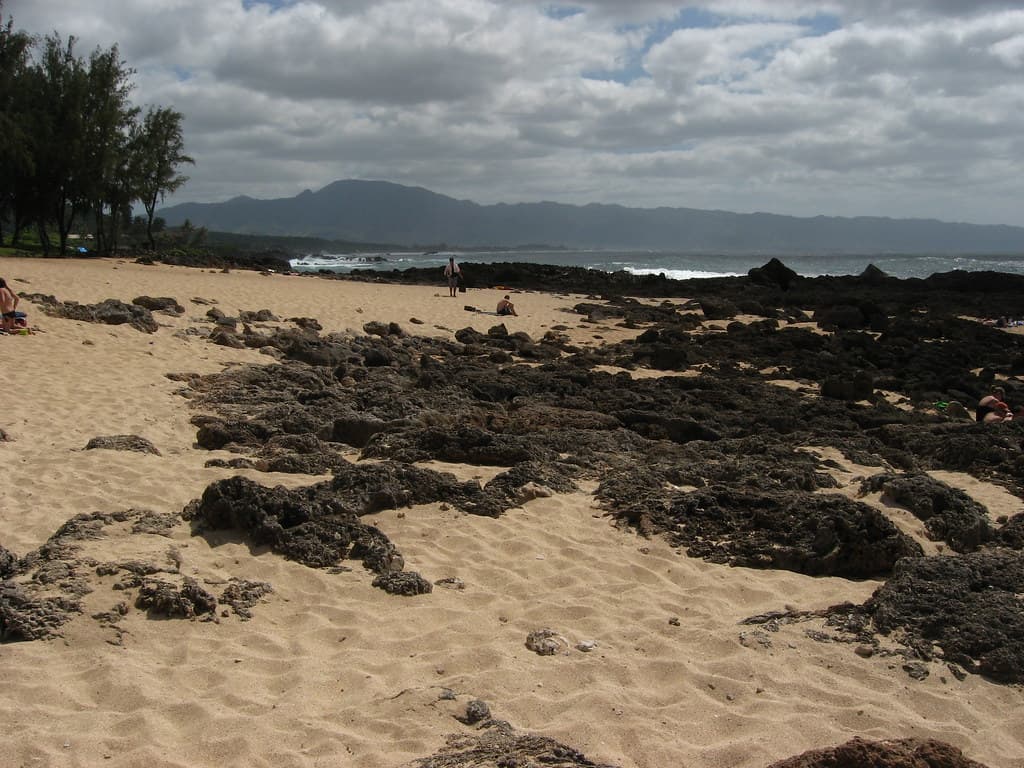
Waialua Beach curves along Moloka'i's southern coastline like a rumpled ribbon, its sand neither blinding white nor volcanic black but a toasted almond hue that glows warm in the slanted afternoon light. Ironwood trees lean over the shore, their feathery branches casting lace patterns across picnic tables where local families gather on weekends with coolers and ukuleles. The water here is shallow—ankle-deep for what feels like a football field—making it less a swimmer's paradise and more a wading pool where toddlers chase hermit crabs and fishermen scan the horizon for ripples. This is Moloka'i at its most unvarnished: no resort towers, no jet-ski rentals, no mai tais delivered poolside. You'll drive past grazing horses and tin-roofed houses to reach the turnoff, where a narrow road threads between kiawe trees toward the shore. The reef protects the beach from serious surf, so the waves arrive as gentle slaps rather than thunderous breaks, and the tide pools teem with opelu and tiny pufferfish. Come at dusk when the light turns honeyed and the Lāna'i coastline across the channel goes purple-gray. Fishermen stake their rods in the sand, and the smell of grilling teriyaki chicken drifts from someone's tailgate. You'll feel the island's unhurried pulse here—the Moloka'i that doesn't need to sell itself, that simply exists as it has for generations.
Places, rentals, tours and events within walking and driving distance of Waialua Beach.
Photos
Waialua Beach near Kaunakakai typically has calm, shallow waters protected by a reef, making it safer for wading than strong swimming. However, the beach can have murky water and a muddy bottom due to runoff. Strong currents and high surf can occur during winter months. The remote location means no lifeguards are on duty. Always check local conditions before entering the water, avoid swimming after heavy rains, and be cautious of sharp coral and rocks along the shoreline.
Waialua Beach can be visited year-round, with Molokai's weather consistently warm and pleasant. Summer months (May-September) typically offer calmer ocean conditions and less rainfall, ideal for beach activities. Winter (November-March) brings occasional storms and rougher surf but fewer crowds. Early mornings provide the best lighting for the scenic mountain backdrop views. Weekdays tend to be quieter than weekends. The beach's beauty shines in any season, though conditions are generally most favorable during summer's drier weather.
Waialua Beach is located on Molokai's south shore, accessible via Kamehameha V Highway east of Kaunakakai town. Look for the beach access between mile markers 19 and 20. The turnoff leads to a small, unpaved parking area that can accommodate several vehicles. A rental car is necessary as public transportation is extremely limited on Molokai. The beach is relatively easy to find but unmarked, so GPS coordinates or detailed directions are helpful for first-time visitors.
Waialua Beach has no facilities—no restrooms, showers, or food vendors. It's a remote, undeveloped beach where you must bring everything you need, including water, snacks, and shade. The nearest restaurants and grocery stores are in Kaunakakai town, approximately 18-20 miles west. Lodging options on Molokai are limited and primarily concentrated in Kaunakakai or the west end near Papohaku Beach. Plan ahead by packing supplies and using facilities in town before heading to this isolated, natural beach setting.
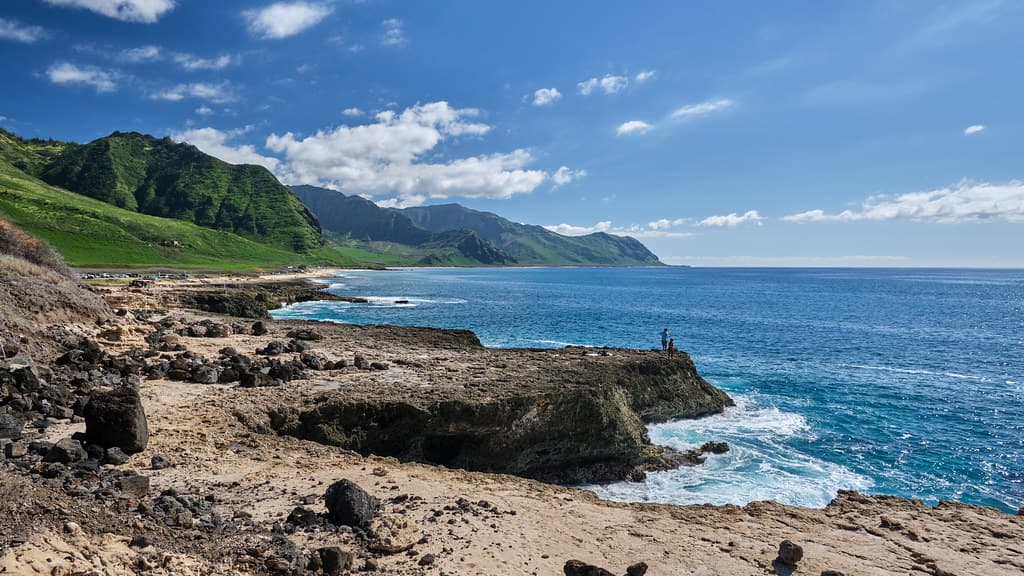
Waialua Beach remains relatively unknown even among Molokai visitors, offering genuine seclusion on an already uncrowded island. The beach provides stunning views of Molokai's mountainous interior and coastline without the development found elsewhere in Hawaii. Its peaceful atmosphere, lack of crowds, and unspoiled natural setting make it ideal for those seeking solitude and quiet reflection. The scenic beauty combined with minimal tourist traffic creates an authentic, undiscovered Hawaiian beach experience rarely found on more developed islands.