Counting the waves…
Counting the waves…

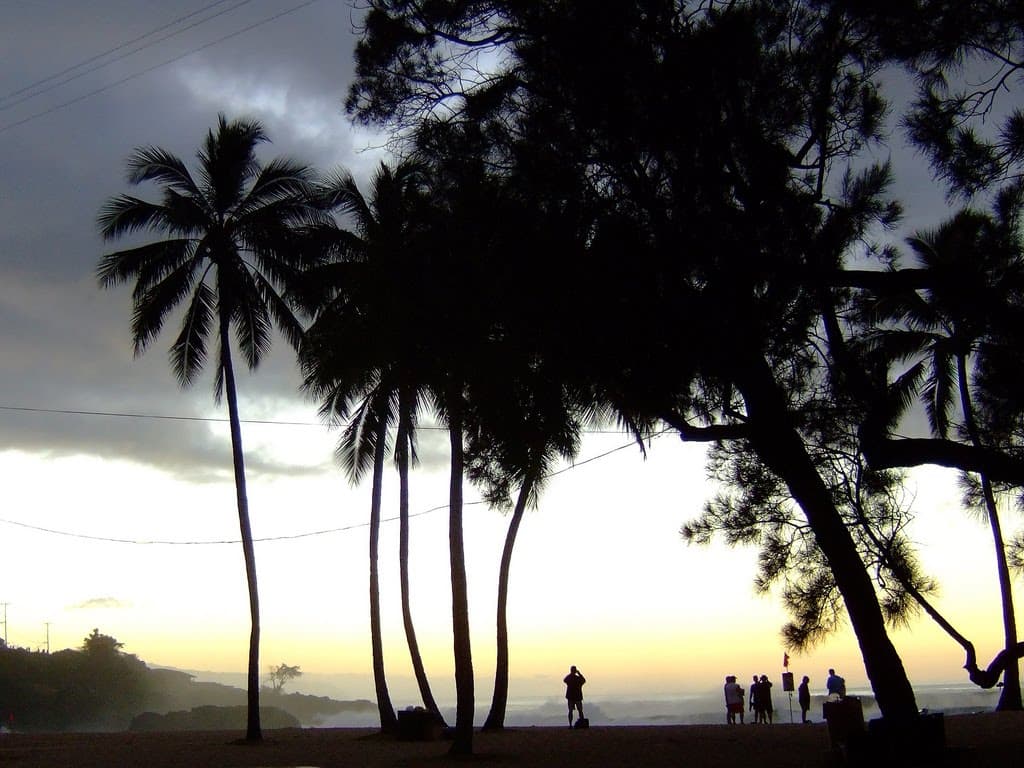
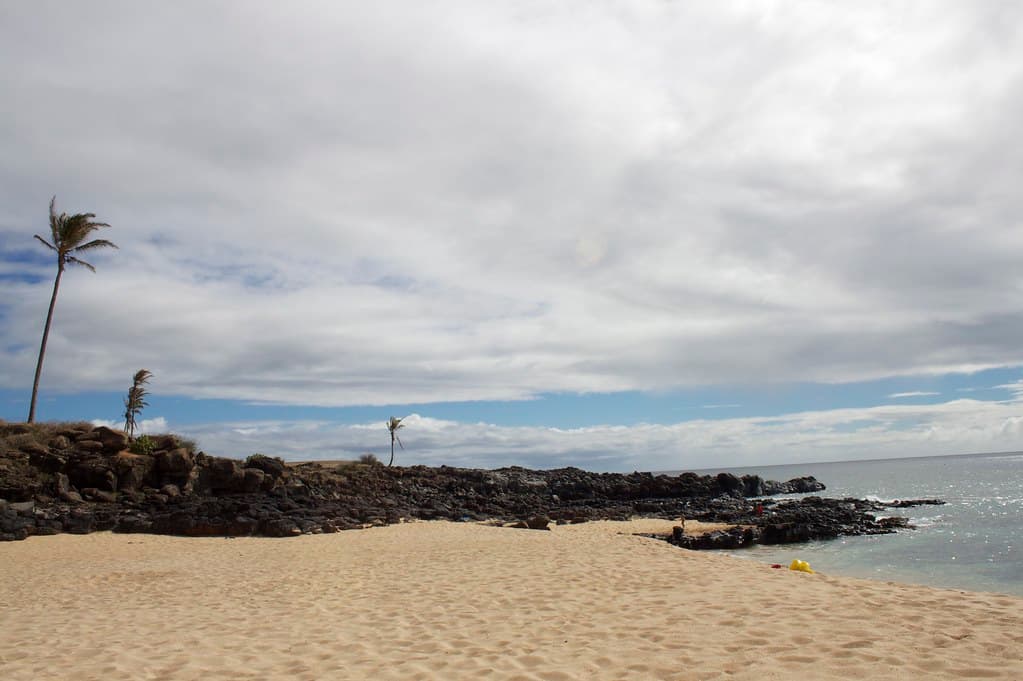
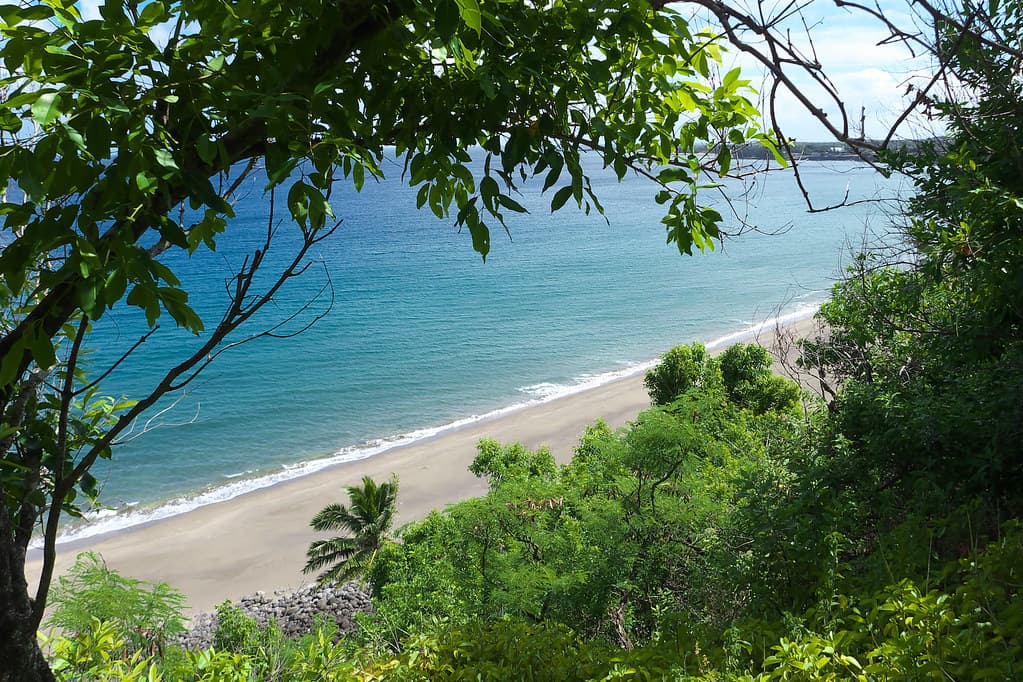
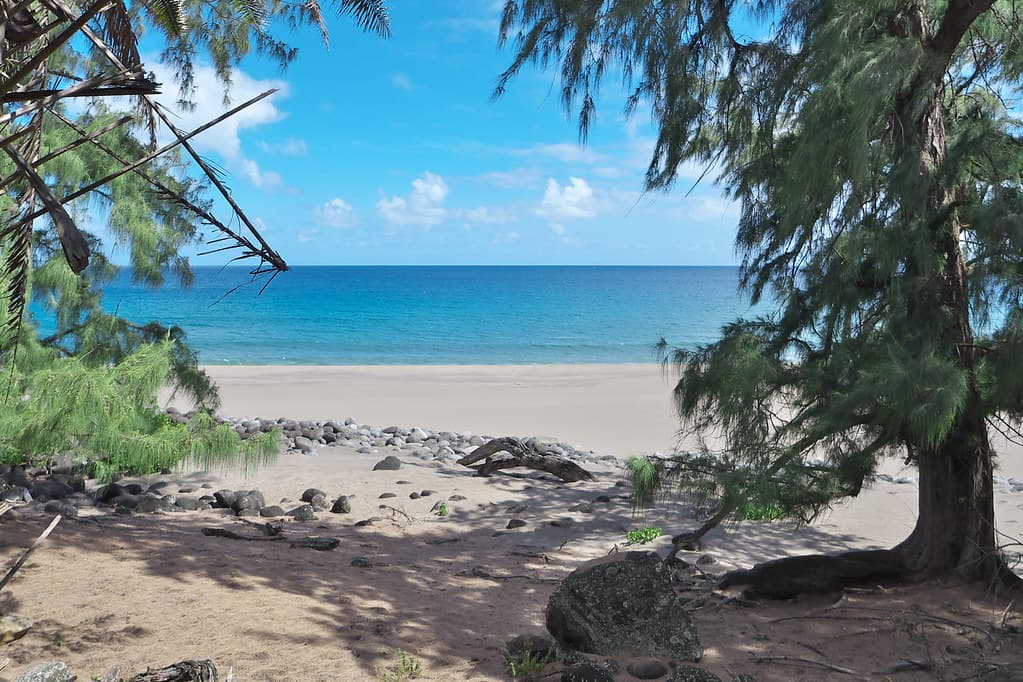
The trail down to Kalaupapa unfolds like a descent through time itself. Twenty-six switchbacks carved into the pali deliver you from Molokaʻi's uplands to a flat thumb of land jutting into the sea, where waves hammer black-sand beaches and lava shelves. This is the peninsula where more than 8,000 people diagnosed with Hansen's disease were exiled beginning in 1866, forbidden to leave, their stories woven into every weathered plank and stone wall that remains. You'll need a permit and a guide to visit—Kalaupapa is still home to a handful of patient-residents who choose to stay in the only place they've known as sanctuary. Your guide, often a resident themselves, will walk you past St. Philomena Church where Father Damien ministered until his death in 1889, and along shores where patients fished for sustenance and solace. The wind never stops here; it carries the scent of naupaka blossoms and the mist of breaking waves across grassy fields once filled with makeshift homes. The beach itself curves along the northern edge, a ribbon of dark sand and polished stone where monk seals haul out and humpback whales breach offshore in winter. You won't swim here—respect for the residents and the power of the shore break keep visitors on land—but the view across whitecaps to the empty horizon offers something rarer than a dip: perspective on how landscape shapes lives, and how lives reshape history.
Places, rentals, tours and events within walking and driving distance of Kalaupapa Beach.
Photos
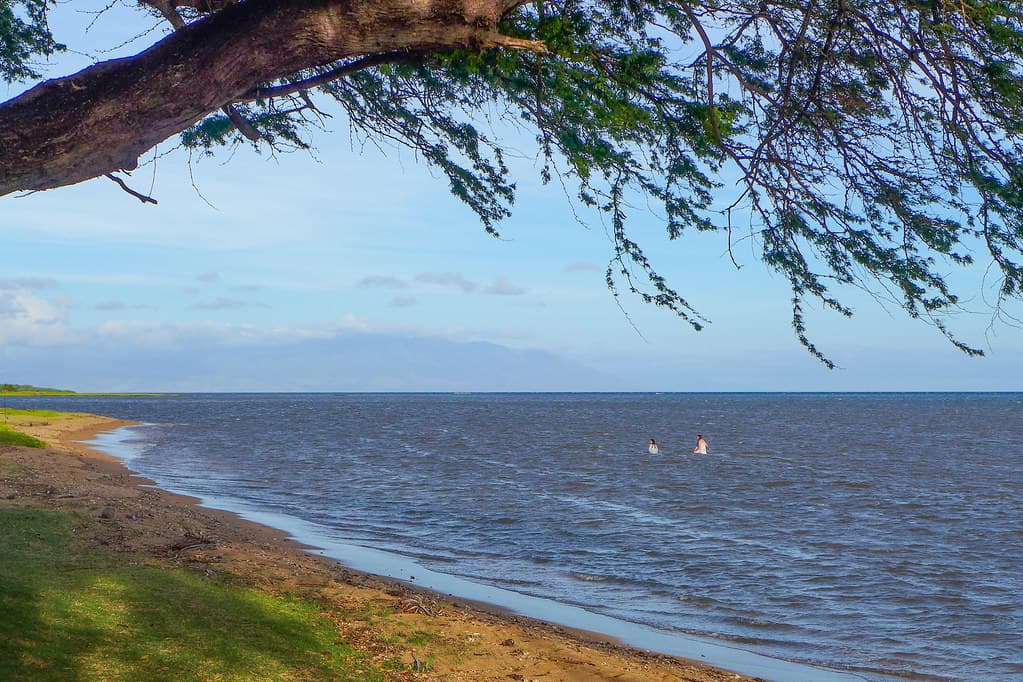
Swimming conditions at Kalaupapa Beach vary significantly by season and location. The northern coast of Molokai experiences powerful currents, strong surf, and unpredictable conditions, especially during winter months. There are no lifeguards on duty. The beach's remote location means emergency services are far away. Always assess conditions carefully before entering the water, never swim alone, and be aware that large swells can appear suddenly. The isolation that makes this beach scenic also means help isn't readily available in emergencies.
Summer months (May through September) generally offer calmer ocean conditions and more pleasant weather for visiting Kalaupapa Beach. Winter brings larger surf, stronger winds, and rougher seas that can make access more challenging. However, visiting Kalaupapa requires special permits and typically involves joining a guided tour, which operates on limited schedules year-round. Book well in advance regardless of season. The area's historic significance as a former leprosy settlement means access is carefully controlled to respect the community and remaining residents.
Accessing Kalaupapa requires a permit and is heavily restricted. Most visitors arrive via small plane from Molokai's main airport or by hiking down a steep 3-mile trail with 26 switchbacks (mule rides sometimes available). You cannot drive to Kalaupapa. Access is only possible through authorized tour operators, and independent exploration is prohibited. The peninsula is isolated by towering sea cliffs. Visitors must join guided tours that respect the historic Hansen's disease settlement and remaining residents who still live there.
There are no hotels, restaurants, or public amenities at Kalaupapa. It remains a restricted settlement, not a tourist destination. Authorized tours typically include lunch, but visitors cannot purchase food or lodging on the peninsula. All accommodations are in Kaunakakai or other parts of Molokai, requiring a flight or challenging hike to reach Kalaupapa. Tours are day-visits only. Plan to bring water and sun protection, though tour operators provide meals. The isolation is intentional to preserve the area's dignity and history.
Kalaupapa Peninsula served as a Hansen's disease (leprosy) settlement from 1866 to 1969, where thousands were forcibly isolated. Father Damien famously ministered here until his death in 1889. The area is now a National Historical Park, preserving buildings, churches, and memorials honoring those who lived in isolation. Guided tours educate visitors about this poignant history while respecting the few former patients who chose to remain. The beach itself witnessed countless arrivals of exiled patients, making it deeply significant beyond its scenic beauty.