Counting the waves…
Counting the waves…
A refined fusion of water purity, environmental stability, and communal vibrancy for Polihua Beach.
View MethodologyAnalyzed via live sensors and environmental data.
Wave height, wind, and atmospheric stability.
Live footfall and crowd balance metrics.
Community reviews and curated sentiment.
“You'll navigate a rugged dirt track to reach Polihua, where trade winds rake across powdery white sand and winter swells hammer the shore. The beach curves in a vast, empty crescent; no facilities, no shade, just the…”
Limited recent visitor reports — live OBI telemetry is your best guide for current conditions.
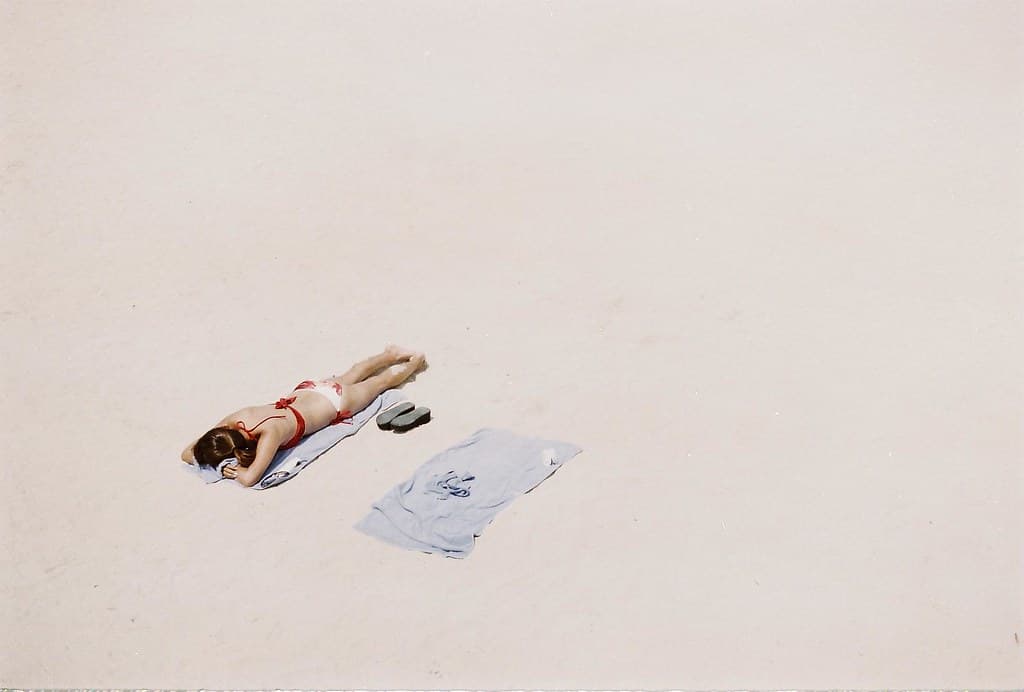
The four-wheel-drive journey to Polihua is half the story—fourteen miles of rutted red dirt winding through dry scrubland, past Cook Island pines silhouetted against the sky. When the track finally crests the final ridge, the beach reveals itself below: a sweeping three-mile arc of flour-fine sand so white it stings your eyes in midday sun. Trade winds gust hard here, sculpting the dunes and sending plumes of sand skittering across the surface.
This is not a swimming beach. Winter swells roll in unobstructed from the north Pacific, collapsing into shore breaks that churn sand and debris. Even in calmer summer months, rip currents and undertow make the water treacherous. Instead, you walk—miles of uninterrupted shoreline where footprints disappear within the hour. Hawaiian monk seals haul out to rest on the sand; if you spot one, the law requires you stay fifty feet back.
 Credit: Unsplash
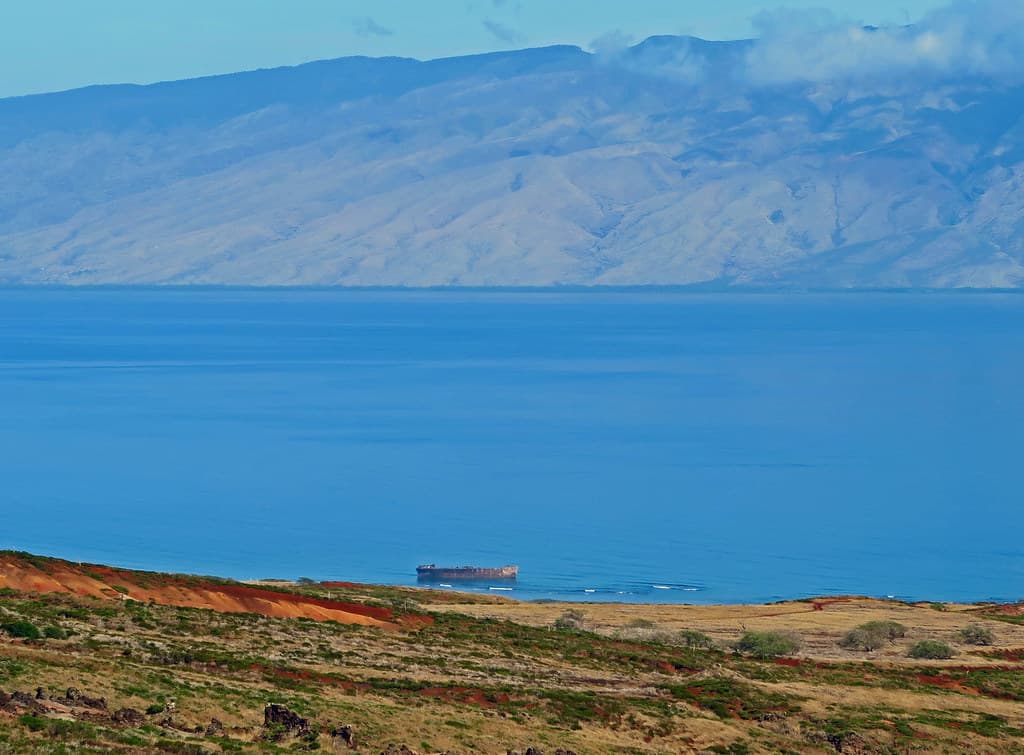
a beach with a boat in the water
 Credit: Unsplash
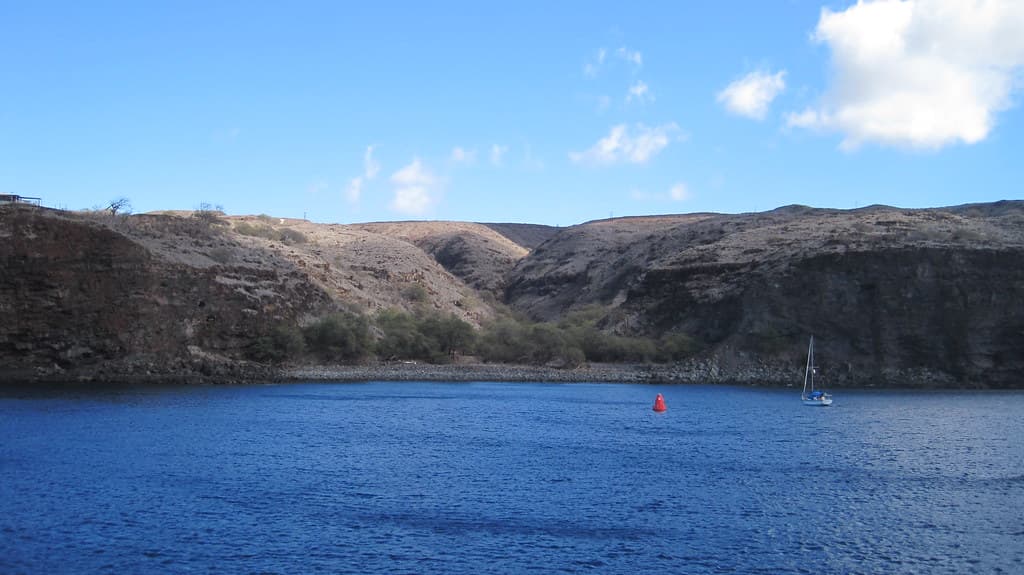
a beach with a city in the background
Endless white sand to yourself
Keep fifty feet distance minimum
Massive surf from safe distance
Where it is
Polihua Beach
Lanai City, Hawaii, USA
20.885500°, -156.992700°
Weather
Loading…
Swell
—
Temp
Warm · Restorative
UV Index
Moderate
Wind
—
Tidal State
Last known
Max Sunlight
—
Ideal Shade
—
Jan - Dec (Peak)
May - Nov (Off-season)
Historical data suggests peak visibility and stable sea temperatures occur during the prime visitation window.
Select a category to load nearby places.
Unlock restaurants, luxury stays and curated maritime experiences within 2km
Swimming at Polihua Beach is generally not recommended due to strong currents, powerful waves, and lack of lifeguards. The beach faces the open ocean channel between Lanai and Molokai, creating hazardous conditions even for experienced swimmers. The shoreline is better suited for beachcombing and photography. If you do enter the water, exercise extreme caution and never turn your back on the waves. This remote beach has no emergency services nearby, so prioritize safety over swimming.
Polihua Beach is accessible year-round, though summer months (May-September) typically offer calmer conditions and better weather. Winter brings larger swells and stronger trade winds, which can make the unpaved access road more challenging and the beach less comfortable. Morning visits are ideal for photography and wildlife viewing before afternoon winds pick up. The beach's remote north shore location means it can be windy any time of year, so bring layers and secure any lightweight items.
Polihua Beach requires a 4WD vehicle to access via a rough, unpaved road from Lanai City, approximately 45 minutes to one hour away. The rutted dirt track can be challenging, especially after rain. Most rental car companies on Lanai prohibit driving to Polihua, so verify your rental agreement. There's an informal parking area near the beach with no facilities. Many visitors access the beach through guided island tours that include 4WD transportation.
Polihua Beach is completely undeveloped with absolutely no facilities, restrooms, shade structures, or freshwater. You must bring all supplies, including drinking water, food, and sun protection. The nearest services are in Lanai City, about 11 miles away, where you'll find restaurants and two resort hotels. There are no beachside accommodations. Pack out all trash, as there are no waste receptacles. Plan as if visiting a wilderness area and be completely self-sufficient.
Polihua Beach, whose name means 'egg nest' in Hawaiian, is known as a nesting site for endangered green sea turtles, though sightings aren't guaranteed. Nesting season typically runs from May through September. If you encounter turtles or nests, maintain a respectful distance of at least 10 feet and never touch or disturb them, as they're federally protected. The beach's remote location and minimal human activity make it more conducive to turtle activity than busier beaches.
Photos