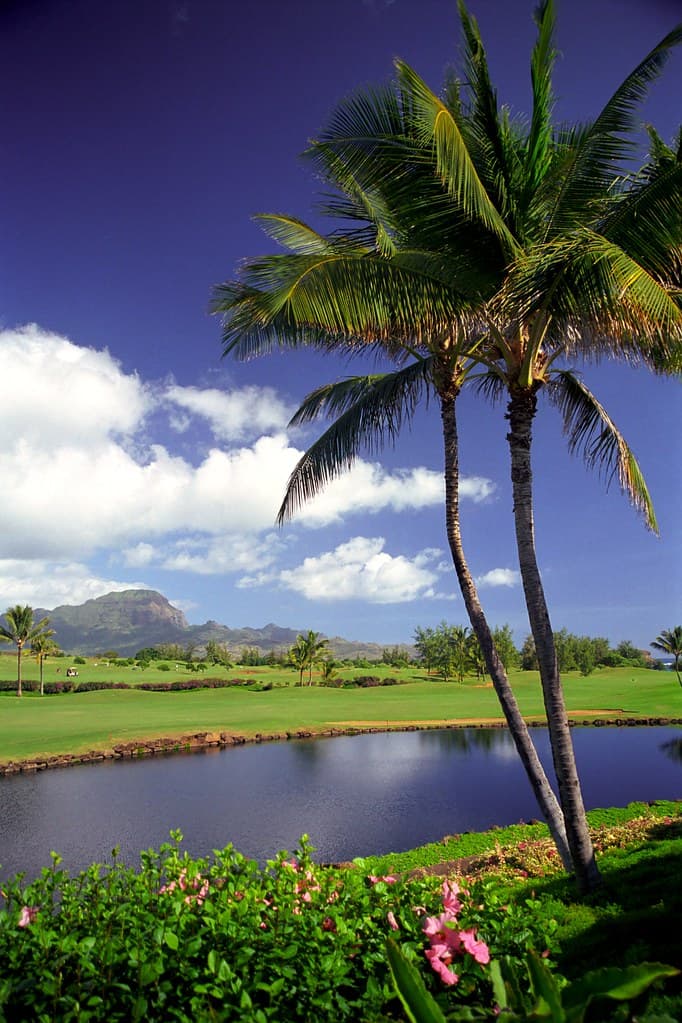
Counting the waves…
Counting the waves…
A refined fusion of water purity, environmental stability, and communal vibrancy for Maha?ulepu Beach.
View MethodologyAnalyzed via live sensors and environmental data.
Wave height, wind, and atmospheric stability.
Live footfall and crowd balance metrics.
Community reviews and curated sentiment.
“You'll feel the red dust kick up before you spot the ocean. Beyond the sugar-plantation tracks and kiawe scrub, Mahā'ulepu unfolds in a jagged line of fossil-rich limestone and pockets of honey-toned sand. The roar of…”
Limited recent visitor reports — live OBI telemetry is your best guide for current conditions.
You reach Mahā'ulepu by bouncing along a dirt road past grazing cattle and defunct cane fields, the kind of approach that filters out the resort crowds five miles west in Po'ipū. The beach stretches in segments—Gillin's, Kawailoa Bay, Ha'ula—each separated by low headlands of cemented coral and seashell, their stratified faces telling 125,000 years of geologic history. Monk seals haul out on the eastern end; green sea turtles nose through the shallows at Kawailoa.
The wind here is relentless, combing the naupaka and false kamani into gnarled sculptures. In winter, surf pounds the outer reef with enough force to send salt spray halfway across the strand. Summer brings calmer seas and scattered tide pools where 'opihi cling to basalt boulders. The sand itself is coarse, flecked with shell fragments and the occasional shark tooth, testament to the raw erosion that keeps this coastline wild.
 Credit: Unsplash
a beach with people walking on the sand and an umbrella
 Credit: Unsplash
Waves crash against a rocky shore near buildings
Sinkhole with thousand-year-old fossils
Golden-hour light on stratified cliffs
Calmer pocket during summer months
Where it is
Maha?ulepu Beach
Poipu, Hawaii, USA
21.878000°, -159.413800°
Weather
Loading…
Swell
—
Temp
Warm · Restorative
UV Index
Moderate
Wind
—
Tidal State
Last known
Max Sunlight
—
Ideal Shade
—
Jan - Dec (Peak)
May - Nov (Off-season)
Historical data suggests peak visibility and stable sea temperatures occur during the prime visitation window.
Select a category to load nearby places.
Unlock restaurants, luxury stays and curated maritime experiences within 2km
Swimming conditions at Maha'ulepu Beach vary significantly depending on the season and location along the shore. During summer months (May-September), waters are generally calmer and safer for swimming. Winter brings larger waves and stronger currents that can be dangerous, even for experienced swimmers. The beach has no lifeguards on duty. Rocky areas and shallow reefs make some sections unsuitable for swimming year-round. Always check current conditions, observe the water before entering, and never swim alone at this remote beach.
Maha'ulepu Beach is accessible year-round, but summer months (May through September) offer the calmest ocean conditions and best weather for beach activities. Early morning visits provide the best light for photography and fewer crowds. Weekdays are typically quieter than weekends. Winter months (November-March) bring spectacular wave-watching opportunities but rougher seas unsuitable for swimming. The beach faces southeast, so mornings offer more shade from the cliffs. Sunset views are limited, making this primarily a daytime destination best enjoyed in comfortable weather.
Maha'ulepu Beach requires driving through private sugarcane plantation lands owned by CJM Country Stables. From Poipu, take Po'ipu Road east, which becomes a dirt road past the Grand Hyatt. Continue about two miles on this unpaved road until you reach a small parking area near the beach. The road can be rough and dusty but is typically passable in a regular car during dry conditions. Parking is limited and free. Alternatively, you can access the beach via the Maha'ulepu Heritage Trail, a coastal hiking path from Shipwreck Beach.
Maha'ulepu Beach has no facilities, amenities, or services. There are no restrooms, showers, lifeguards, food vendors, or equipment rentals. Visitors must bring everything they need, including drinking water, food, sun protection, and beach gear. The nearest restaurants, shops, and accommodations are located in Poipu, approximately 2-3 miles away. Because of its remote location and lack of facilities, come fully prepared with supplies. Pack out all trash, as there are no garbage bins. The closest hotels and resorts are in the Poipu Beach area.
Maha'ulepu Beach stands out as one of Kauai's last undeveloped coastlines, offering a glimpse of old Hawaii before resort development. The beach features dramatic limestone cliffs, ancient Hawaiian archaeological sites, and fossil-studded rock formations along the shore. Its remote location keeps crowds minimal compared to nearby Poipu beaches. The area includes multiple beach pockets connected by the scenic Maha'ulepu Heritage Trail. Lithified sand dunes create unique geological formations rarely seen elsewhere. This hidden gem offers excellent beachcombing, photography opportunities, and a sense of seclusion increasingly rare on Kauai.
Photos