Counting the waves…
Counting the waves…

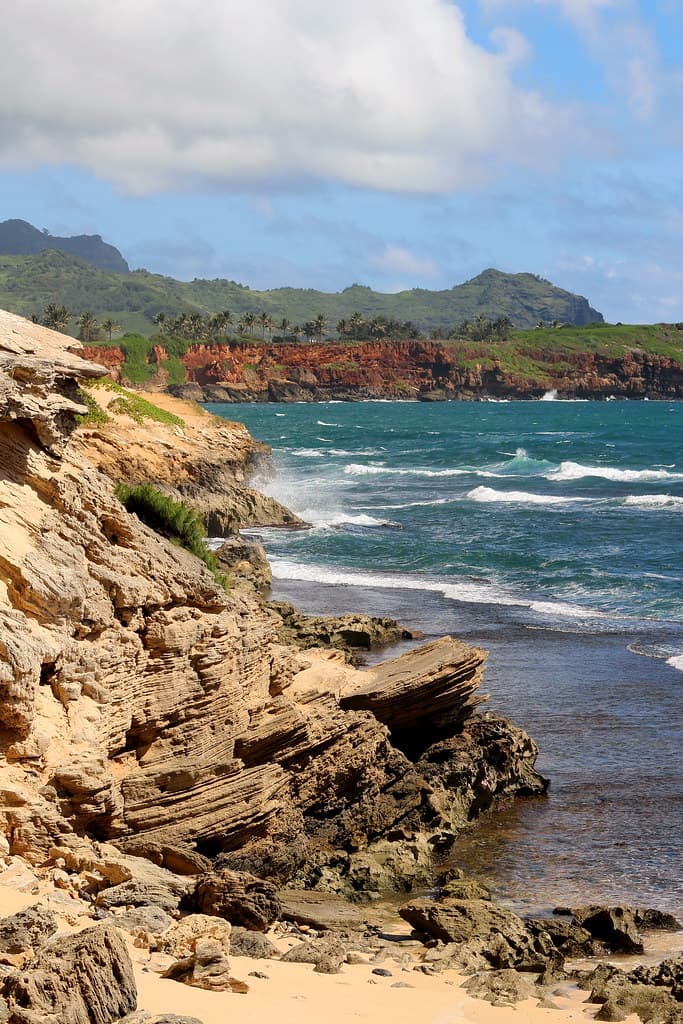
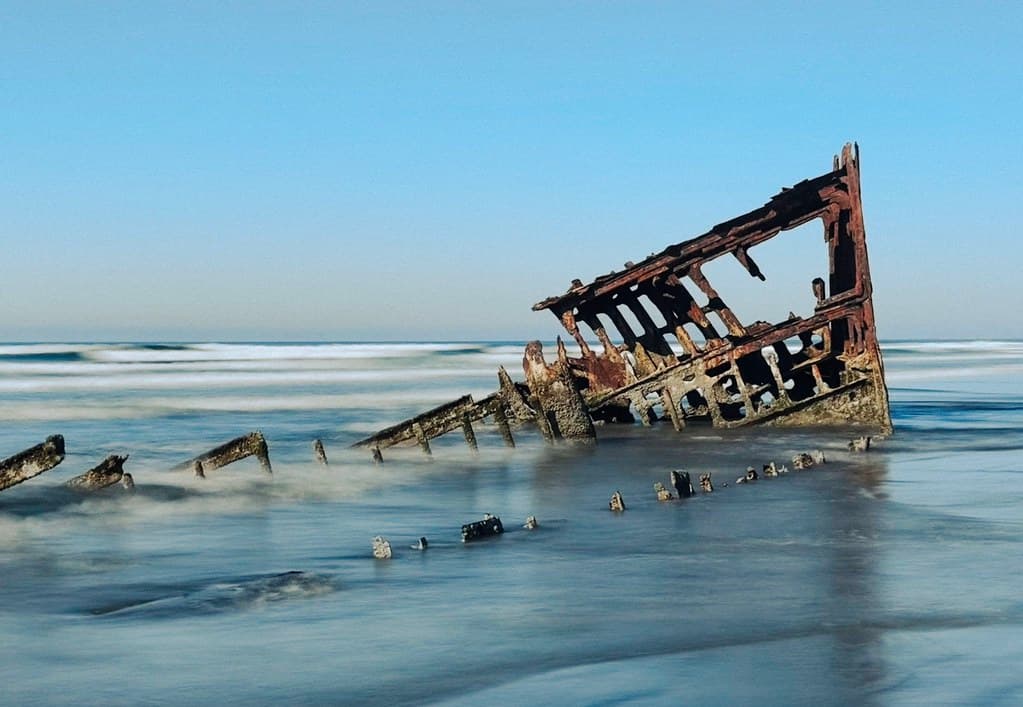
The trail descends through kiawe scrub, and suddenly you're standing above a cove where the Pacific has spent millennia carving alcoves into the sedimentary bluff. The beach takes its name from a long-lost wooden vessel, though no wreckage remains—only the memory and the relentless surf that likely caused its demise. On the eastern edge, tide pools trapped in the lava bench warm to bathtub temperature by midday, their surfaces dimpling with hermit crabs and juvenile wrasse. Winter brings the real theater: northwest swells that march across the channel and unload onto the outer reef in walls of white. You'll watch from the sand or the cliff trail as local surfers paddle into overhead barrels, their boards barely visible against the sapphire backdrop. Between sets, the shorebreak pounds close enough that salt spray reaches your beach towel. Even on flat summer days, the cliff face commands your attention. Its strata—compressed dunes from an ancient coastline—glow amber in the late afternoon, and pockets of shade beneath the overhang offer respite when the sun climbs high. You won't find lifeguards or concession stands here, just raw coastline and the trades combing through ironwood branches overhead.
Places, rentals, tours and events within walking and driving distance of Shipwreck Beach.
Photos
Shipwreck Beach is known for powerful waves, strong currents, and a steep shoreline drop-off, making it dangerous for swimming, especially for inexperienced swimmers. The beach is popular with experienced bodysurfers and bodyboarders, but conditions can be hazardous even for them. There are no lifeguards on duty. The beach gets its name from historical shipwrecks in the area. If you're looking to swim safely, consider nearby Poipu Beach Park instead, which has calmer waters and lifeguard supervision.
Shipwreck Beach can be visited year-round thanks to Kauai's consistently warm weather. Summer months (May-September) typically bring calmer ocean conditions, while winter (October-April) produces larger surf that attracts experienced wave riders. Morning visits offer the best light for photography of the dramatic cliffs. The beach is less crowded on weekdays. Regardless of season, expect strong sun exposure as there's minimal shade, so plan accordingly with sun protection and visit earlier in the day to avoid peak afternoon heat.
Shipwreck Beach is located at the eastern end of Poipu, adjacent to the Grand Hyatt Kauai Resort. The easiest access is through the Grand Hyatt—park in their public beach parking lot and walk through the resort grounds to reach the beach. Look for signs directing you to the beach access path. Alternatively, there's a small public parking area on Ainako Street. From the parking areas, it's a short walk to the sand. The beach is well-marked and easy to find once you're in the Poipu area.
The Grand Hyatt Kauai Resort directly adjacent to Shipwreck Beach offers multiple restaurants and bars, though at resort pricing. The hotel also has restrooms accessible to beach visitors. For more affordable dining options, drive a few minutes to Poipu's town center, where you'll find restaurants, food trucks, and shops. Nearby accommodations range from the Grand Hyatt to vacation rentals and smaller hotels throughout Poipu. There are no facilities directly on Shipwreck Beach itself, so plan ahead for restrooms and food.
The Makawehi Point cliff on the eastern end of Shipwreck Beach is famous for cliff jumping, with locals and adventurous visitors leaping from heights of approximately 15-30 feet into the ocean below. However, this activity is extremely dangerous due to changing ocean conditions, submerged rocks, and strong currents. Several serious injuries and fatalities have occurred here. If you choose to attempt it despite the risks, only jump during calm ocean conditions, never alone, and carefully check water depth and rock locations first. Most visitors prefer to simply watch from the clifftop viewpoint.