
The name alone—ʻAnaehoʻomalu, or A-Bay to those who return each year—tells you this place has been cherished for centuries. Two historic fishponds frame the northern edge of the beach, their stone walls still visible where Hawaiians once cultivated mullet and milkfish. You'll find your spot on the wide crescent of sand, bordered by a shady coconut grove planted generations ago, and wade into water so calm it barely laps at your ankles.
“Ancient fishponds still frame a beach where families have gathered—Hawaiian and visitor alike—for a thousand years of sunsets.”
 Credit: Flickr
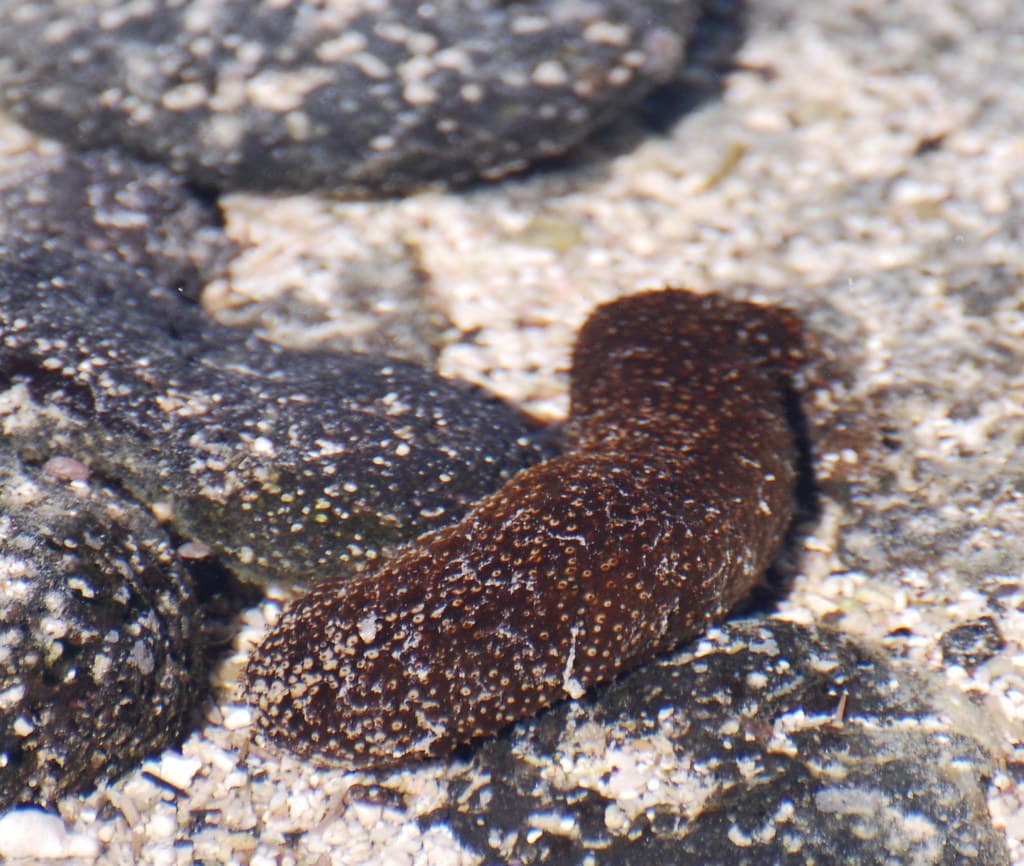
sea cucumber
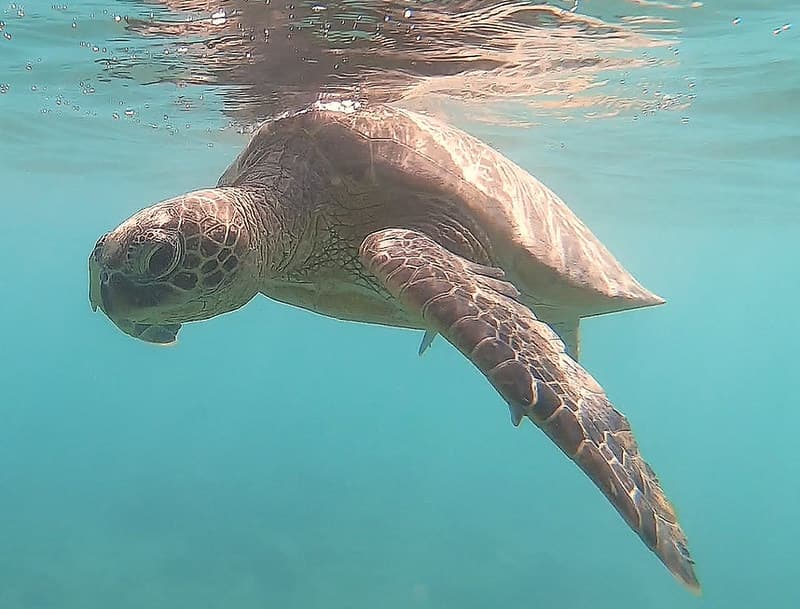
Sea turtles nose through the reef just beyond the swimming zone, unbothered by snorkelers floating overhead. The offshore reef keeps the surf gentle, making this one of the Big Island's most forgiving beaches for children learning to bodysurf or adults who simply want to float without fighting current. Outrigger canoes rest on the sand; kayakers slice through the bay's protected waters, heading toward the lava rock outcroppings that bookend the cove.
But the real ritual begins an hour before dusk. Photographers stake their tripods along the wet sand. Couples carry their mai tais from the nearby resort. You'll watch the sun drop behind Hualālai volcano, painting the sky tangerine and violet, while the first stars emerge over Mauna Kea. The warm breeze never stops, and neither does the procession of visitors who come, night after night, to see the horizon ignite.


