Counting the waves…
Counting the waves…

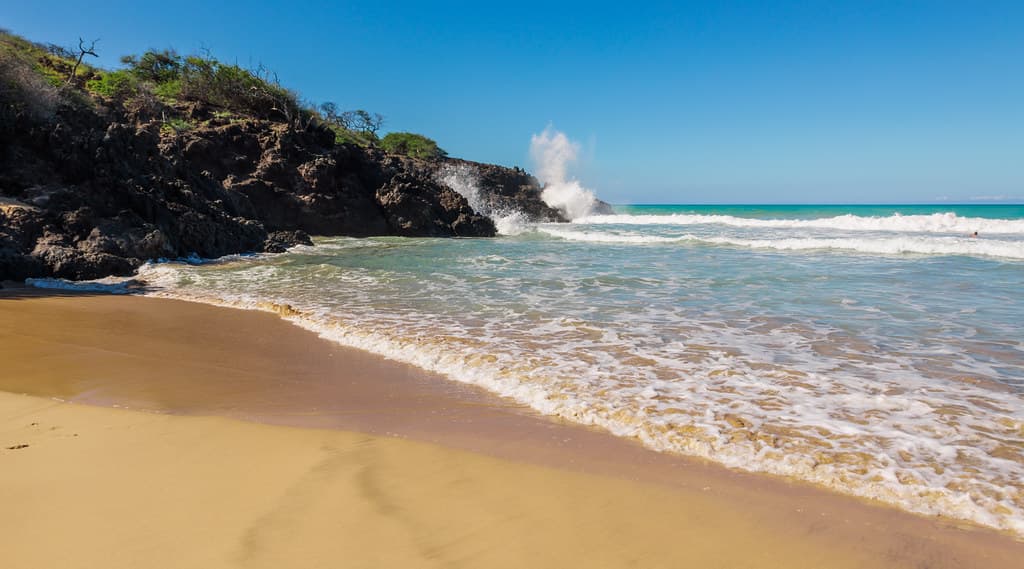
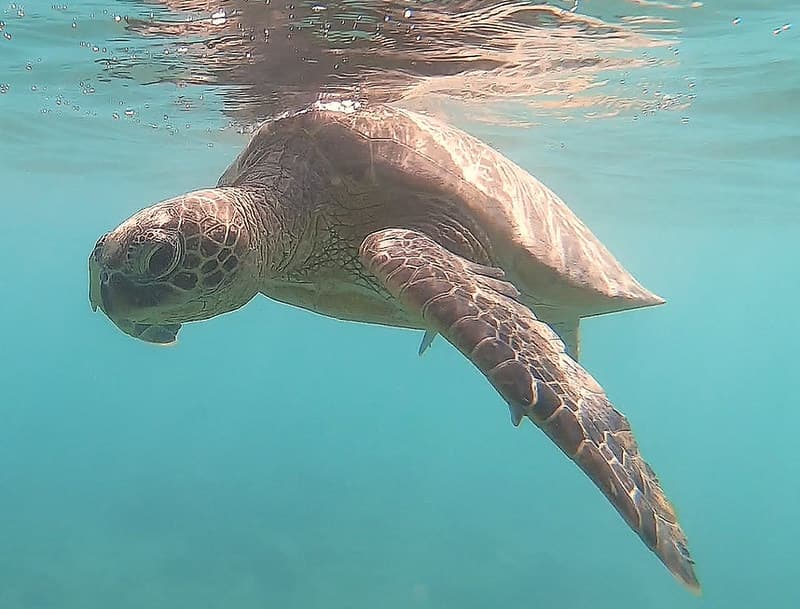
The name alone—ʻAnaehoʻomalu, or A-Bay to those who return each year—tells you this place has been cherished for centuries. Two historic fishponds frame the northern edge of the beach, their stone walls still visible where Hawaiians once cultivated mullet and milkfish. You'll find your spot on the wide crescent of sand, bordered by a shady coconut grove planted generations ago, and wade into water so calm it barely laps at your ankles. Sea turtles nose through the reef just beyond the swimming zone, unbothered by snorkelers floating overhead. The offshore reef keeps the surf gentle, making this one of the Big Island's most forgiving beaches for children learning to bodysurf or adults who simply want to float without fighting current. Outrigger canoes rest on the sand; kayakers slice through the bay's protected waters, heading toward the lava rock outcroppings that bookend the cove. But the real ritual begins an hour before dusk. Photographers stake their tripods along the wet sand. Couples carry their mai tais from the nearby resort. You'll watch the sun drop behind Hualālai volcano, painting the sky tangerine and violet, while the first stars emerge over Mauna Kea. The warm breeze never stops, and neither does the procession of visitors who come, night after night, to see the horizon ignite.
Places, rentals, tours and events within walking and driving distance of ?Anaeho?omalu Beach.
Photos
Anaeho'omalu Beach is generally excellent for families and swimmers. The bay's protected waters create calm conditions ideal for children and beginners. The sandy bottom slopes gradually, making entry easy. However, always check current conditions as wind and surf can occasionally pick up, particularly in winter months. Lifeguards are not typically stationed here, so supervise children closely. The beach is also great for stand-up paddleboarding and snorkeling near the reef areas. Watch for sea turtles and maintain respectful distance if spotted.
Anaeho'omalu Beach enjoys favorable conditions year-round thanks to Hawaii's Big Island's sunny Kohala Coast climate. The area receives minimal rainfall and consistent sunshine throughout the year. Mornings typically offer the calmest waters for swimming and water activities. The beach is particularly famous for spectacular sunsets, so late afternoon visits are popular. Winter months (November-March) may bring slightly larger swells and occasional wind. Summer tends to be calmer with warmer water temperatures. Arrive early on weekends and holidays for best parking availability.
Anaeho'omalu Beach is located off Highway 19 in Waikoloa, between mile markers 76 and 77. Turn onto Waikoloa Beach Drive and follow signs to the public beach access. A free public parking lot is available near the beach, though spaces fill quickly during peak times and weekends. Additional parking can be found at nearby resort areas, but verify public access policies. The beach is easily accessible with a short, flat walk from the parking area, making it convenient for families with gear and young children.
The beach offers basic amenities including restrooms, showers, and picnic areas. Several upscale resorts border the beach, including the Waikoloa Beach Marriott and Lava Lava Beach Club, which serves casual beachfront dining and is open to non-guests. Additional restaurants and shops are available at the nearby Kings' Shops and Queens' MarketPlace in Waikoloa Beach Resort. Various resort accommodations and vacation rentals are available in the Waikoloa area. For more dining variety, the town of Waikoloa Village is a short drive inland.
Yes, Anaeho'omalu Beach is notable for its well-preserved ancient Hawaiian fishponds (Ku'uali'i and Kahapapa), which are visible along the beach's inland edge. These historic aquaculture sites date back centuries and were used by Native Hawaiians to raise fish. You can view them from the anchialine pond trail that runs behind the beach. The area also features ancient petroglyphs accessible via nearby walking trails. Please observe these cultural sites respectfully from designated paths without disturbing the surrounding environment or historical features.