Counting the waves…
Counting the waves…

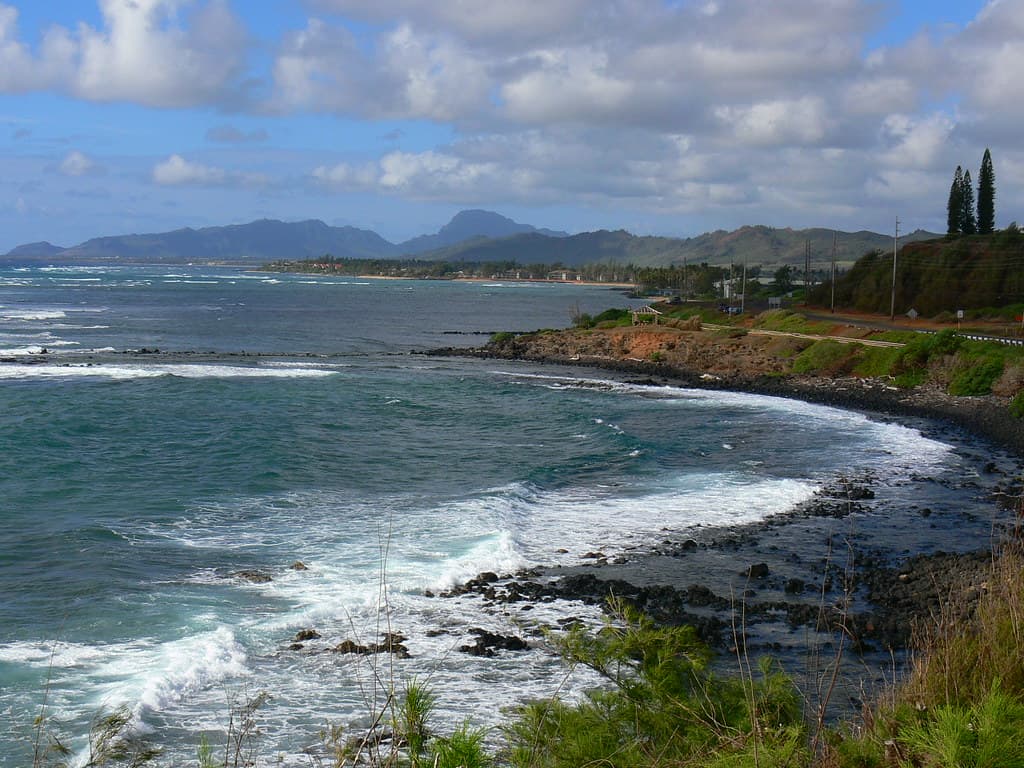
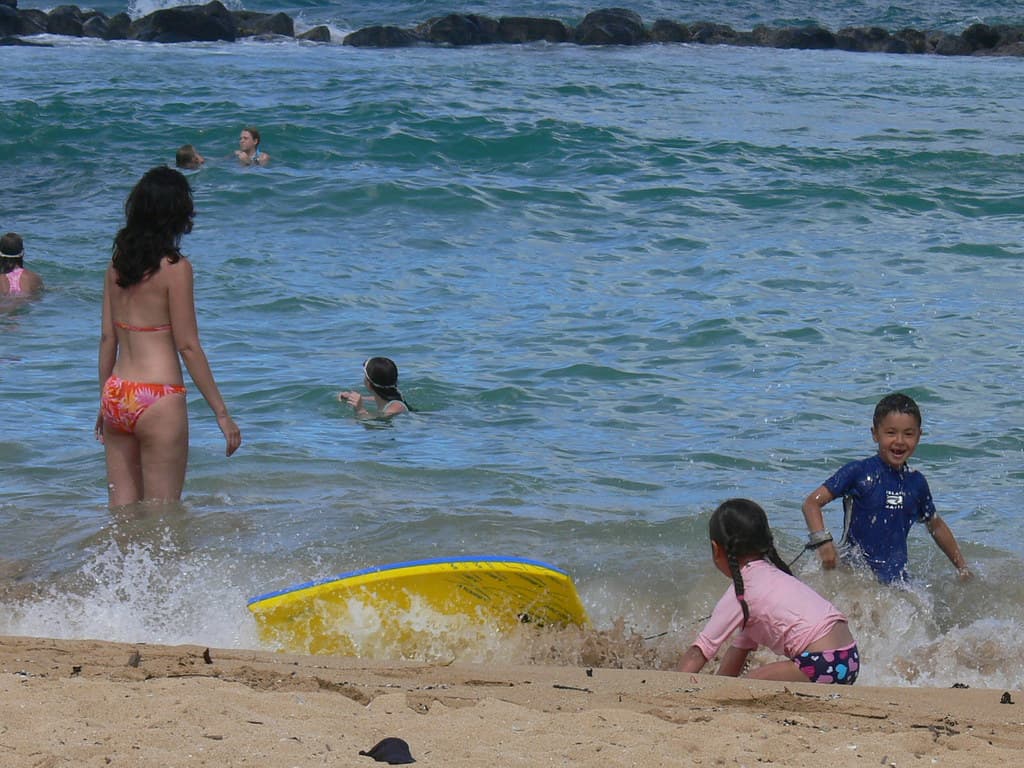
The name comes from the days when donkeys hauled sugarcane across these cliffs, though you're far more likely to spot wild chickens now. You park along the highway near mile marker 11, duck through a break in the vegetation, and follow a red-dirt path that winds for roughly ten minutes through low scrub. The trail emerges onto a beach that feels like a private discovery—800 yards of sand backed by grassy bluffs, with Nounou Mountain rising green and jagged inland. Body-surfable shore break rolls in year-round, though winter swells can turn the water rough and murky. The eastern end offers calmer pockets when trade winds cooperate. There's no shade, no showers, no vendors—pack everything in, pack everything out. Mornings bring the best light and the fewest beachgoers; by afternoon, the wind picks up and kite surfers appear on the horizon. Monk seals haul out here to rest, so give them wide berth—federal law requires fifty feet of distance. You'll share the sand with a handful of locals, the occasional trail runner, and bodysurfers who know the reef breaks offshore. Bring reef-safe sunscreen, plenty of water, and a healthy respect for the ocean's power. This isn't a beach that coddles; it rewards those who come prepared.
Places, rentals, tours and events within walking and driving distance of Donkey Beach.
Photos
Swimming conditions at Donkey Beach vary significantly depending on the season and surf. The beach has no lifeguards, and strong currents and shore breaks are common, especially during winter months. The water can be rough with powerful waves that make swimming dangerous for inexperienced ocean swimmers. During calmer summer months, conditions may be more favorable, but always assess the water carefully before entering. The remote location means help isn't immediately available, so exercise caution and never swim alone.
Donkey Beach can be visited year-round, but conditions vary seasonally. Summer months (May through September) typically offer calmer ocean conditions and better weather for sunbathing and swimming. Winter brings larger surf and occasional rain, though it's still beautiful for beachcombing and scenic walks. Early morning visits provide the best lighting for photography and fewer crowds. The beach faces east, making it ideal for sunrise viewing. Weekdays are generally quieter than weekends when locals visit.
Donkey Beach is located along Kuhio Highway (Route 56) between mile markers 11 and 12, north of Kealia Beach. There's a small, unmarked dirt parking area on the ocean side of the highway that fits approximately 10-15 cars. The beach requires a short 5-10 minute walk down a sandy trail through ironwood trees. The trailhead can be easy to miss, so watch carefully for the parking area. Arrive early during peak season as parking fills quickly.
Donkey Beach has no facilities whatsoever—no restrooms, showers, food vendors, or water sources. It's completely undeveloped, so bring everything you need including plenty of water, snacks, and sun protection. The nearest amenities are in Kapaa town, about 10 minutes south, where you'll find restaurants, grocery stores, and shops. Pack out all trash as there are no garbage bins. The closest accommodations are hotels and vacation rentals in the Kapaa-Wailua area.
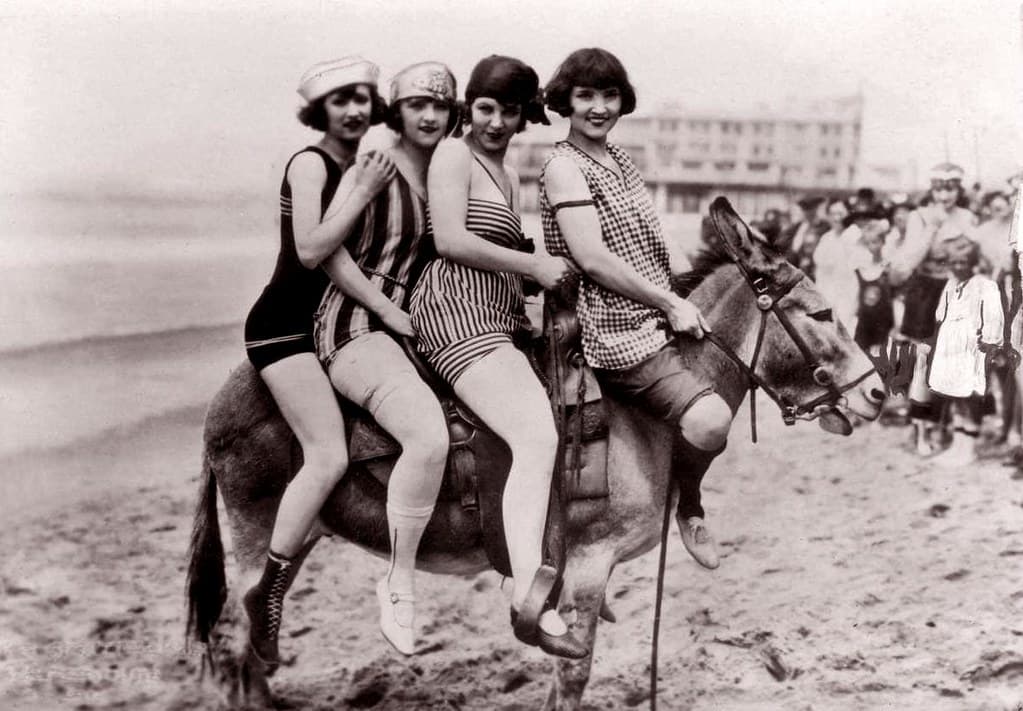
Donkey Beach earned its name from the donkeys that once grazed in the area during sugar plantation days. While no longer present, the name stuck. The beach has historically been known as a clothing-optional beach, though public nudity is technically illegal in Hawaii. Its remote, hidden nature means it's less patrolled than other beaches, and some visitors do sunbathe nude, particularly on the northern end. However, families also visit, so be respectful and aware of your surroundings.