
Counting the waves…
Counting the waves…

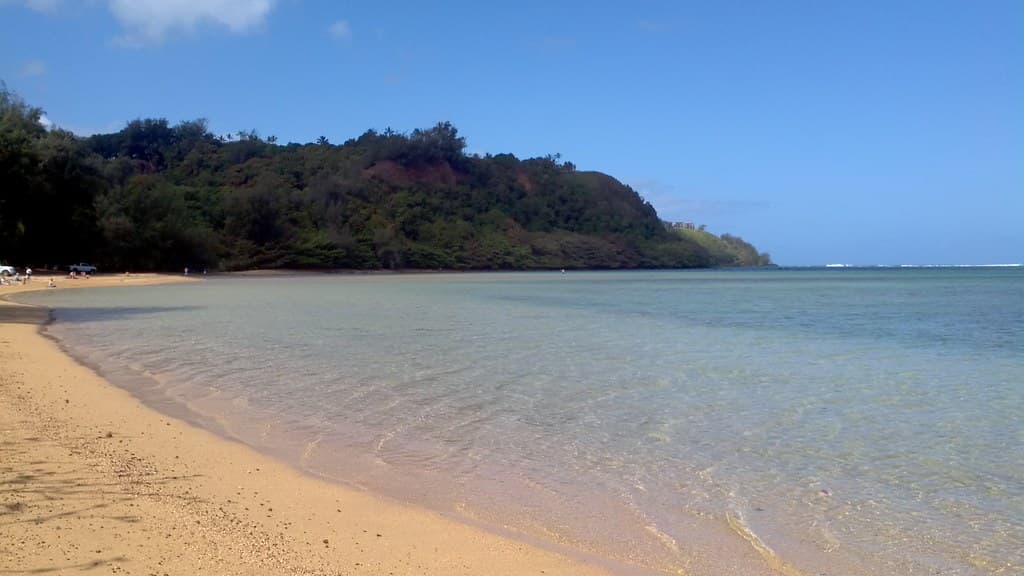
Kalihiwai splits into two beaches separated by the river's mouth, each accessible by its own dead-end road since the 1946 tsunami swept the original connecting bridge out to sea. The eastern crescent draws families who wade into gentle shorebreak and spread blankets beneath the casuarina trees; the western stretch belongs to surfers who time their sessions with the incoming tide, when rights peel along the outer reef. Both halves share the same backdrop: Namahana's pleated cliffs rising inland, their green flanks striped darker where waterfalls trace the stone after Hanalei's frequent rains. You'll find no lifeguard tower, no snack bar, no rental kiosk—just a narrow strip of coarse golden sand, driftwood logs silvered by salt, and a lineup that rarely holds more than a dozen boards. Local surfers paddle out before work; by midmorning the sets flatten under offshore winds. The river itself runs cool enough for a rinse, wide enough to kayak upstream between banks of hala and hau trees, their roots tangled in red mud. Come during winter and the north swells stack head-high, turning the break into a testing ground best left to confident intermediates. Summer flattens the ocean into long, rolling lines that beginners can ride all the way to the sand. Either season, you'll leave with salt drying on your shoulders and the memory of watching frigatebirds coast the thermals above a beach that never quite made it onto the tour-bus circuit.
Places, rentals, tours and events within walking and driving distance of Kalihiwai Beach.
Photos
Kalihiwai Beach has variable swimming conditions that depend heavily on season and swell. During summer months, the water is typically calmer and safer for swimming. Winter brings powerful surf and strong currents, making it dangerous for inexperienced swimmers. The beach has no lifeguards on duty. There's also a river mouth that creates unpredictable currents where freshwater meets ocean. Always check current conditions, never swim alone, and stay close to shore if you're not an experienced ocean swimmer. When waves are present, this beach is better suited for experienced surfers.
Kalihiwai Beach can be visited year-round, but the experience varies by season. Summer (May-September) offers calmer waters ideal for swimming and families, with smaller surf and more sunshine. Winter (November-March) brings big swells that attract experienced surfers but create hazardous swimming conditions. Spring and fall provide moderate conditions. Mornings generally offer clearer weather before afternoon clouds develop. Since Kauai's north shore receives significant rainfall, especially in winter, check the forecast. The beach remains relatively uncrowded throughout the year compared to other Hanalei-area beaches, making any visit peaceful.
Kalihiwai Beach has two access points due to a bridge that was destroyed in 1957. From Princeville, turn onto Kalihiwai Road (there are two sections with the same name). The eastern access is more commonly used—drive down the winding road to a small parking area near the stream. Parking is limited to about 10-15 vehicles. The western Kalihiwai Road offers another access point. Both involve short walks to the beach. Arrive early during peak season for parking. The roads are steep and winding, so drive carefully.
Kalihiwai Beach has no facilities, amenities, or food vendors on-site. There are no restrooms, showers, or lifeguards. You must bring everything you need, including drinking water, snacks, and sun protection. The nearest services are in Princeville, about 10 minutes away, where you'll find restaurants, grocery stores, and gas stations. Hanalei town, approximately 15 minutes west, offers more dining options and supplies. Pack out all trash as there are no garbage facilities. Plan ahead and bring a cooler with provisions for a full beach day if you intend to stay long.
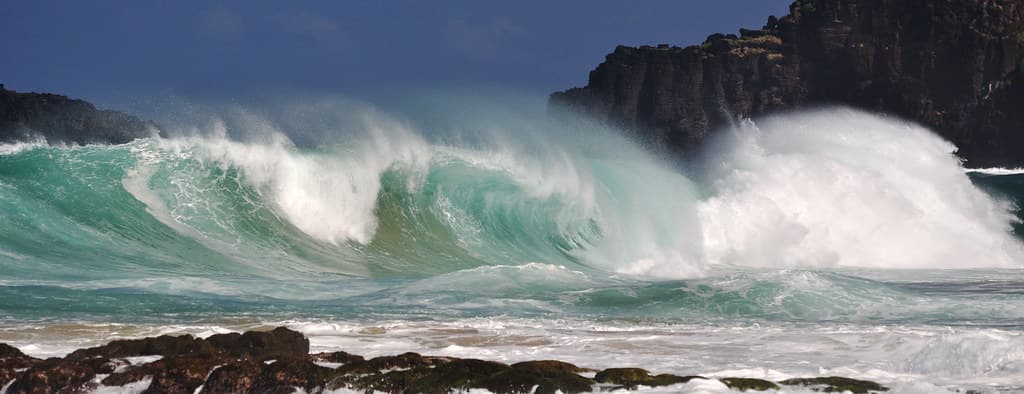
Kalihiwai Beach is a respected surf spot on Kauai's north shore, offering a river mouth break that creates distinct left and right waves. Winter swells produce powerful, hollow waves suitable for intermediate to advanced surfers, with faces reaching overhead heights. The rivermouth creates sandbars that shape quality breaks, though conditions change with sand movement and river flow. Local surfers frequent this spot, so respect surf etiquette and be mindful of the lineup. Summer brings smaller, gentler waves better for beginners. The relatively uncrowded nature compared to nearby breaks makes it appealing to knowledgeable surfers.