Counting the waves…
Counting the waves…
A refined fusion of water purity, environmental stability, and communal vibrancy for Eastport Waterfront Beach.
View MethodologyAnalyzed via live sensors and environmental data.
Wave height, wind, and atmospheric stability.
Live footfall and crowd balance metrics.
Community reviews and curated sentiment.
“You'll feel the shock of 48-degree water lapping at your ankles while fishing boats chug past, their diesel exhaust mixing with salt air and the sweet rot of kelp. Eastport's waterfront offers urban beach access where…”
Limited recent visitor reports — live OBI telemetry is your best guide for current conditions.
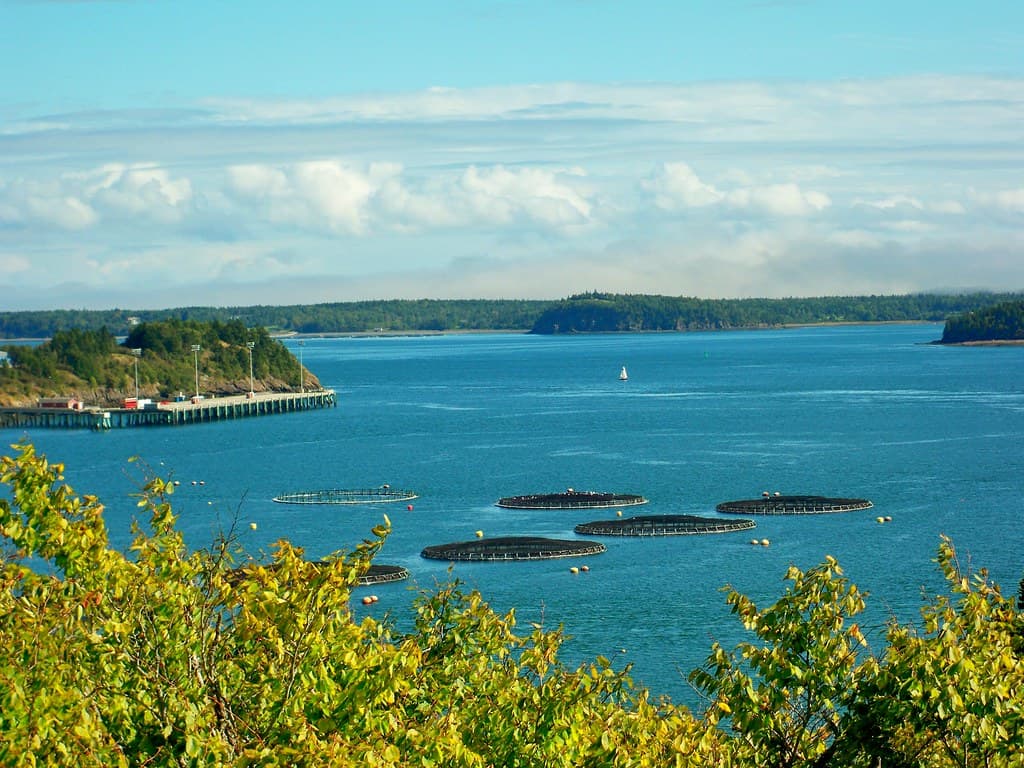
The beach at Eastport doesn't coddle you. When you wade into Passamaquoddy Bay, the cold bites hard enough to make you gasp—even in August, the water hovers around 50 degrees. Cobblestones the size of your fist replace sand in most spots, smoothed by tides that rise and fall more than twenty feet twice daily. You'll watch lobster boats motor past at dawn, their captains raising a single finger off the wheel in greeting, while bald eagles perch on the nearby breakwater scanning for herring.
This is an urban beach in America's truest sense: working, gritty, and unapologetic. The shore runs along Water Street, where brick storefronts from the 1880s sardine boom lean slightly seaward. Families spread blankets on the grassy strip above the high-tide line, kids scrambling over driftwood logs while parents nurse coffee from the Dastardly Dick's food truck. The Bay of Fundy's tidal reach means the beach transforms hourly—what was underwater at breakfast becomes explorable mudflat by lunch, studded with periwinkles and blue mussels.
 Credit: Unsplash
a foggy day on the shore of a lake
 Credit: Unsplash
green trees near body of water during daytime
Capture America's earliest dawn here
Navigate twenty-foot tide swings safely
Smoked salmon from local smokehouses
Where it is
Eastport Waterfront Beach
Eastport, Maine, USA
44.905600°, -66.989600°
Weather
Loading…
Swell
—
Temp
Warm · Restorative
UV Index
Moderate
Wind
—
Tidal State
Last known
Max Sunlight
—
Ideal Shade
—
May - Sep (Peak)
Jan - Dec (Off-season)
Historical data suggests peak visibility and stable sea temperatures occur during the prime visitation window.
Select a category to load nearby places.
Unlock restaurants, luxury stays and curated maritime experiences within 2km
Eastport Waterfront Beach has extremely cold water year-round due to its location on Passamaquoddy Bay, making swimming challenging even in summer when temperatures rarely exceed 55°F. The beach experiences strong tidal currents with some of the highest tides in North America (up to 28 feet), creating potentially dangerous conditions. There are no lifeguards on duty. Most visitors use the beach for wading, beachcombing, and scenic walks rather than swimming. Always check tide schedules before visiting and supervise children closely near the water.
Summer months (June through September) offer the most comfortable weather, with temperatures ranging from 60-70°F, though mornings can be foggy. July and August are warmest and ideal for beach walks and picnics. Fall brings stunning foliage and fewer crowds. Winter and spring are harsh with temperatures often below freezing, but offer dramatic coastal scenery. Visit during low tide to explore tide pools and expand your beach walking area. Check local tide charts, as the extreme tidal range significantly changes the beach landscape throughout the day.
Free public parking is available along Water Street adjacent to the waterfront beach area in downtown Eastport. Additional parking can be found near the Eastport Breakwater and along nearby downtown streets. Parking is generally easy to find except during special events like the Pirate Festival or Fourth of July celebrations. The beach is highly accessible, located right in town within walking distance of shops and restaurants. No parking fees are required. The compact downtown layout makes it easy to explore on foot once parked.
Downtown Eastport offers several dining options within walking distance, including seafood restaurants, cafes, and pubs serving local fare like lobster rolls and fish chowder. The WaCo Diner and Dastardly Dick's are popular choices. Lodging includes bed-and-breakfasts, inns like the Kilby House Inn and Motel East, plus vacation rentals. Eastport is a small town, so advanced reservations are recommended during summer and festival weekends. A grocery store is available for picnic supplies. Most amenities close or have limited hours off-season.
Old Sow, the Western Hemisphere's largest natural tidal whirlpool, is located in Passamaquoddy Bay between Eastport and Deer Island, New Brunswick. While sometimes visible from shore during peak tidal exchanges (typically three hours before high tide), the best views require a boat tour or viewing from Dog Island or Deer Point. The whirlpool's intensity varies with tidal conditions and moon phases, being most dramatic during new and full moons. Local tour operators offer specialized trips for optimal viewing of this unique natural phenomenon.
Photos