Counting the waves…
Counting the waves…
A refined fusion of water purity, environmental stability, and communal vibrancy for Friars Bay Beach.
View MethodologyAnalyzed via live sensors and environmental data.
Wave height, wind, and atmospheric stability.
Live footfall and crowd balance metrics.
Community reviews and curated sentiment.
“You reach Friars Bay Beach by winding through salt-bleached fishing villages to Maine's easternmost fringe, where spruce forests drop straight into cobalt water. The tide here doesn't gently lap—it surges and retreats…”
Limited recent visitor reports — live OBI telemetry is your best guide for current conditions.
The drive to Friars Bay threads through Eastport, a port town clinging to Moose Island where smokestacks from sardine canneries still stripe the skyline. Park near the trailhead and walk ten minutes through balsam fir that smell sharp and medicinal, branches drooping with old man's beard lichen. When the trees open up, you're standing on a crescent of rounded stones—smooth granite, rust-streaked basalt—that clatter underfoot with every step.
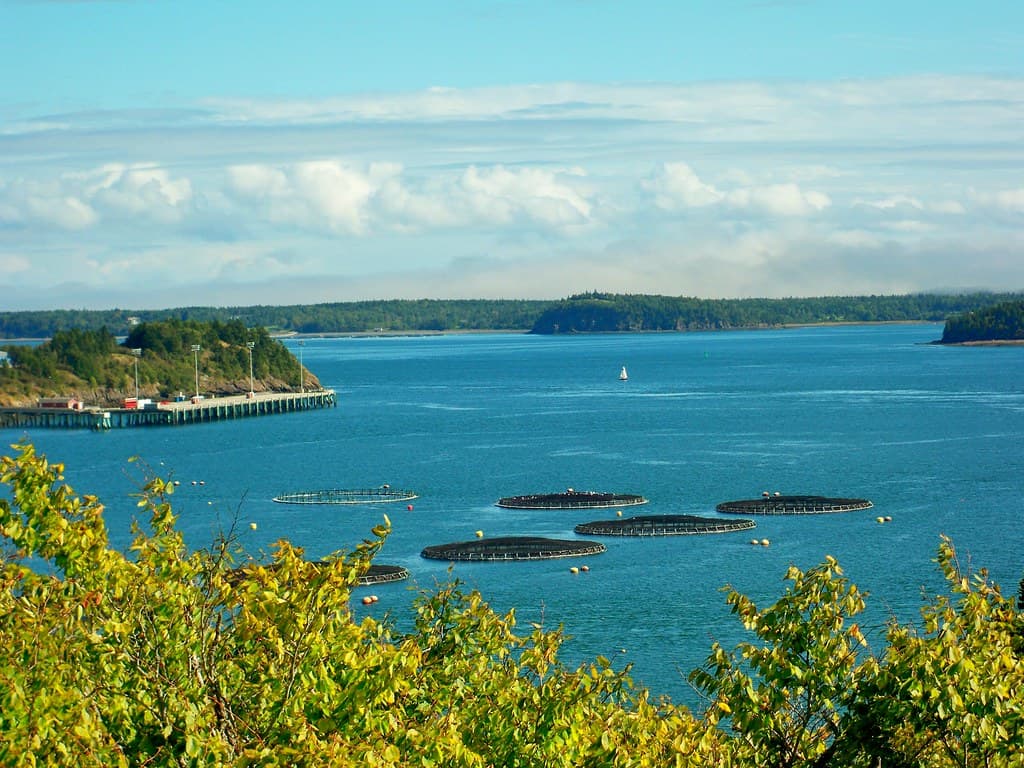
The Bay of Fundy's tides govern everything here. At low tide, you can walk a hundred yards out onto slick ledges pooling with starfish and periwinkles. Six hours later, those same rocks vanish beneath swirling currents. The water never warms past fifty-five degrees, even in August, so most visitors come for the views: Campobello Island rising to the north, fishing boats motoring through Passamaquoddy Bay, bald eagles circling the headlands.
 Credit: Unsplash
a foggy day on the shore of a lake
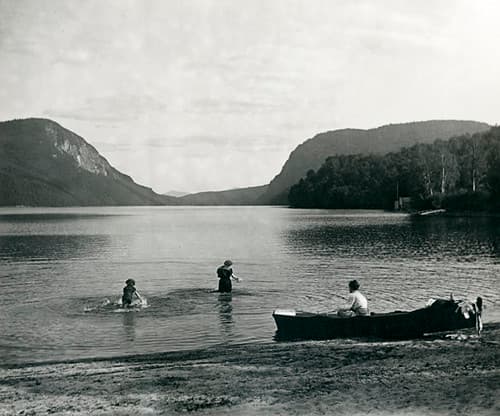
 Credit: Unsplash
green trees near body of water during daytime
Time walks with tide tables
West Quoddy Head nearby
Navigate whirlpools at slack tide
Where it is
Friars Bay Beach
Eastport, Maine, USA
44.930800°, -66.973600°
Weather
Loading…
Swell
—
Temp
Warm · Restorative
UV Index
Moderate
Wind
—
Tidal State
Last known
Max Sunlight
—
Ideal Shade
—
May - Sep (Peak)
Jan - Dec (Off-season)
Historical data suggests peak visibility and stable sea temperatures occur during the prime visitation window.
Near Friars Bay Beach
Explore dining, stays, nightlife, and activities near Friars Bay Beach in Eastport, USA. Every listing below is a real place linked to this beach — open a card for reviews, maps, and booking options.
Food, cafés, and dining close to Friars Bay Beach — curated from places linked to this beach.
Stays and lodging options near Friars Bay Beach for your beach trip.
Activities, tours, and attractions near Friars Bay Beach.
Select a category to load nearby places.
Unlock restaurants, luxury stays and curated maritime experiences within 2km
Friars Bay Beach has calm, protected waters that make it safer for wading than many exposed Maine beaches, but the water remains very cold year-round (typically 50-60°F even in summer). There are no lifeguards on duty. The rocky shoreline requires careful footing, and tides can be significant in this area of the Bay of Fundy. Always check tide schedules before visiting. The beach is generally peaceful and suitable for families, but swimmers should be comfortable with cold water temperatures and wear appropriate footwear for rocky terrain.
While accessible year-round, summer months (July-August) offer the most pleasant weather with temperatures in the 60s-70s°F, though water remains cold. Early fall (September) brings beautiful foliage views and fewer crowds. Fog is common throughout summer along Maine's coast, but Eastport's location can offer clearer days. Visit during low tide for the best beach exploration and tidepool viewing. Winter visits are possible for scenic walks, but be prepared for harsh conditions, snow, and limited daylight. Check local tide charts to maximize your beach time regardless of season.
Friars Bay Beach is located along Deep Cove Road in Eastport, accessible by car from downtown Eastport (approximately 2-3 miles). From Route 190, follow local roads toward the southern part of the island. Parking is limited and informal, typically along the roadside near beach access points. The beach isn't heavily developed or well-marked, so using GPS coordinates or asking locals for directions is recommended. Roads can be narrow and rural. This is a quieter, less-visited beach, so parking is rarely an issue except potentially on peak summer weekends.
Friars Bay Beach itself has no facilities—no restrooms, concessions, or services. It's a natural, undeveloped beach. For amenities, you'll need to head into downtown Eastport (2-3 miles away), where you'll find local restaurants, small grocery stores, and cafes. Eastport offers several bed and breakfasts, inns, and vacation rentals. Bring your own food, water, and supplies for a beach visit. The nearest larger town with more extensive services is Calais (about 30 miles away). Plan accordingly as this is a remote, rural area with limited commercial development.
Yes, Friars Bay Beach offers excellent opportunities for wildlife watching and tidepool exploration, particularly at low tide. The Bay of Fundy's dramatic tidal range exposes rocky areas rich with marine life including starfish, crabs, periwinkles, and barnacles. Seals are commonly spotted in the waters offshore, and the area is popular for birdwatching, especially during migration seasons. Bald eagles and various seabirds frequent the coastline. Bring binoculars and check tide tables to time your visit for low tide. Be respectful of marine life and return rocks to their original positions when exploring.
Photos