Counting the waves…
Counting the waves…

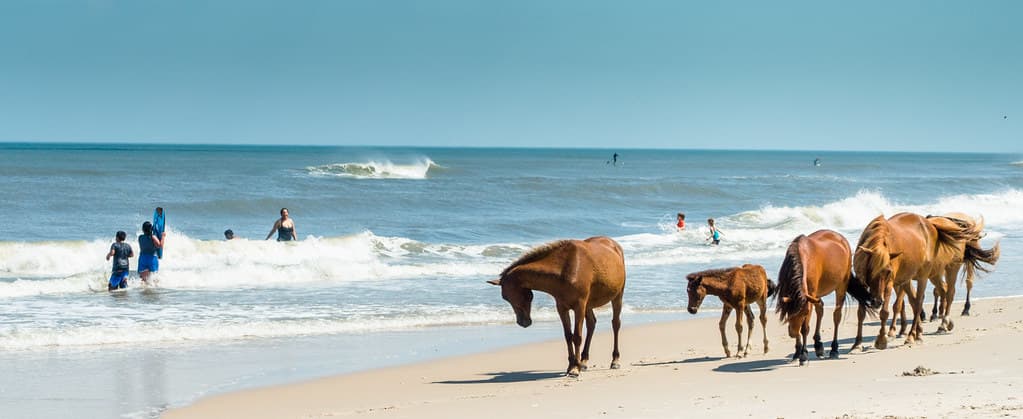
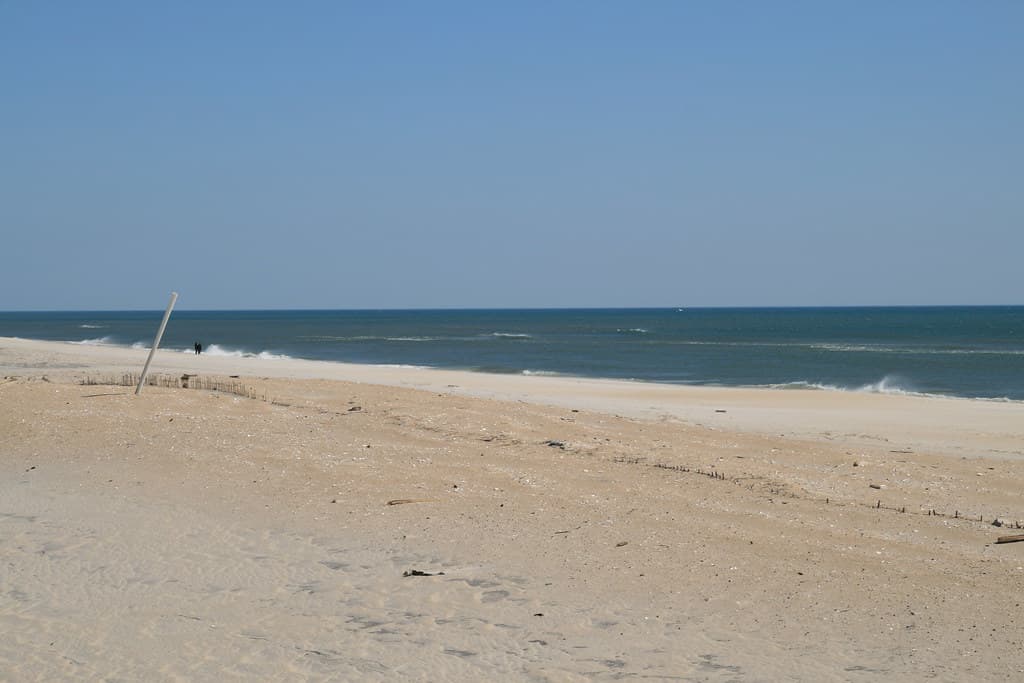
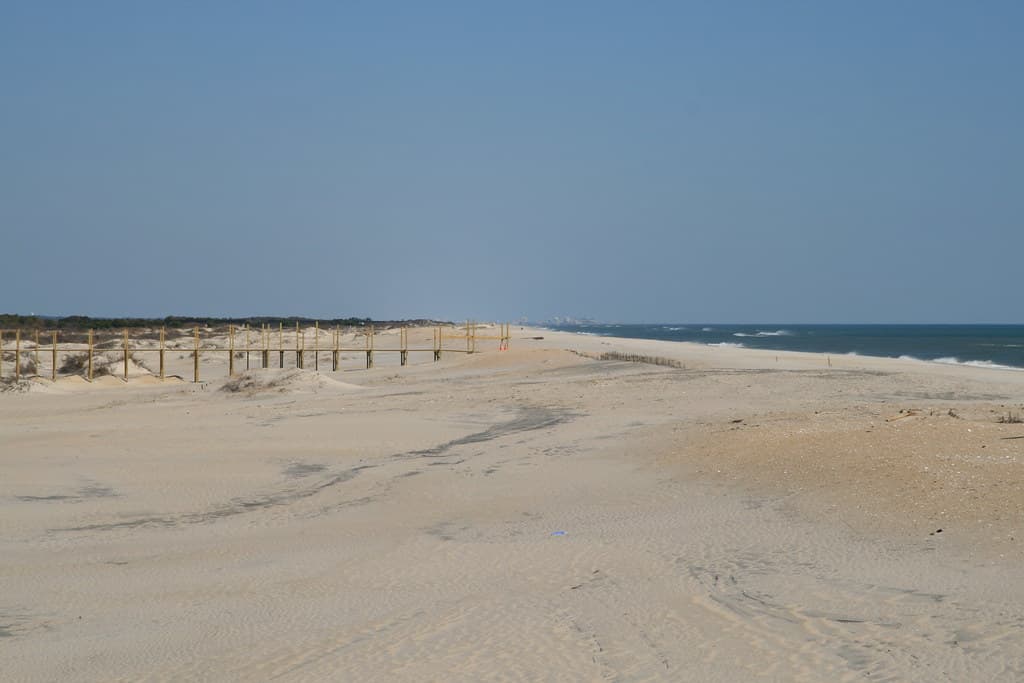
The ponies arrive without ceremony, usually in twos or threes, their coats dusted with sand and burrs. They step over driftwood, pause to scratch against weathered posts, and barely register your presence. This is their beach—37 miles of uninterrupted coastline where Assateague Island National Seashore refuses to bend to human convenience. No boardwalks, no snack bars, just the Atlantic's relentless energy and the animals who've learned to thrive in its path. You park in sand-swept lots and carry everything across low dunes held together by beach grass. The wind here never stops, shaping the landscape overnight, erasing yesterday's footprints. Shells pile in ridges—slipper shells, razor clams, whelks—while sanderlings race the foam line. In summer, the water temperature climbs just warm enough to make swimming bearable; by October, you'll need a wetsuit but gain the entire strand to yourself. Bring everything you'll need: shade, water, snacks. The island operates on its own terms. Greenhead flies arrive in July, vicious and persistent. Ticks hide in the grasses year-round. The horses—descended from shipwreck survivors or escaped colonists' stock, depending on which story you believe—bite if provoked and kick without warning. Yet you return, because nowhere else on the Maryland coast offers this bargain: wilderness, waves, and the strange thrill of sharing sand with creatures who owe you nothing.
Places, rentals, tours and events within walking and driving distance of Assateague Beach.
Photos
Swimming at Assateague Beach is generally safe during summer months when lifeguards are on duty at designated areas. However, be aware of strong currents, rip tides, and occasional jellyfish. Always swim near lifeguard stations and check daily beach condition reports. The Atlantic Ocean can be unpredictable, with water temperatures ranging from cold in spring to comfortable in late summer. Never turn your back on the waves, and supervise children closely. If caught in a rip current, swim parallel to shore until free of the pull.
Late May through September offers the warmest weather and ocean temperatures for swimming, though summer weekends can be crowded. Spring and fall provide mild temperatures (60-75°F), fewer crowds, and excellent wildlife viewing, especially for the famous wild horses. Winter is quietest with cooler temperatures but still suitable for beachcombing and birdwatching. July and August have peak crowds but full amenities and lifeguards. Consider visiting on weekdays or shoulder seasons for a more peaceful experience while still enjoying comfortable conditions.
From Berlin, Maryland, take MD-611 South for about 8 miles directly to Assateague Island National Seashore. The park has large parking lots near the beach, which fill quickly on summer weekends—arrive before 10am for guaranteed spots. There's a $25 vehicle entrance fee (valid 7 days) or use your America the Beautiful Pass. The Maryland side entrance provides easiest access from Berlin. Some visitors also access via the Virginia entrance (Chincoteague), but this requires a longer drive around the island.
Assateague Island itself has no restaurants or lodging, only basic concessions during summer. The nearby town of Berlin (10 minutes away) offers various restaurants, shops, and some hotels. Ocean City, Maryland (20 minutes north) has extensive dining, accommodations, and entertainment options. For lodging closer to nature, Assateague State Park offers 350 campsites with bathhouses and electric hookups. The National Seashore also has backcountry camping. Pack food and drinks for beach days, as options on the island are extremely limited.
You'll likely spot Assateague's famous wild ponies, though sightings aren't guaranteed. These horses roam freely throughout the island and often appear near beaches, roads, and campgrounds. The best viewing times are early morning or late afternoon. Remember these are wild animals—maintain at least 40 feet distance, never feed them, and secure all food as they can be aggressive. The Maryland herd numbers around 80 horses. While they may look gentle, they bite and kick, and feeding them is illegal and harmful to their health.