Counting the waves…
Counting the waves…

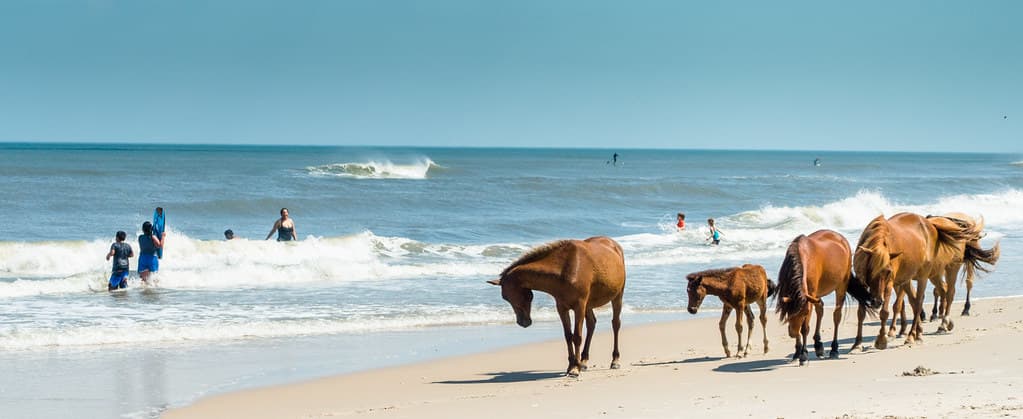
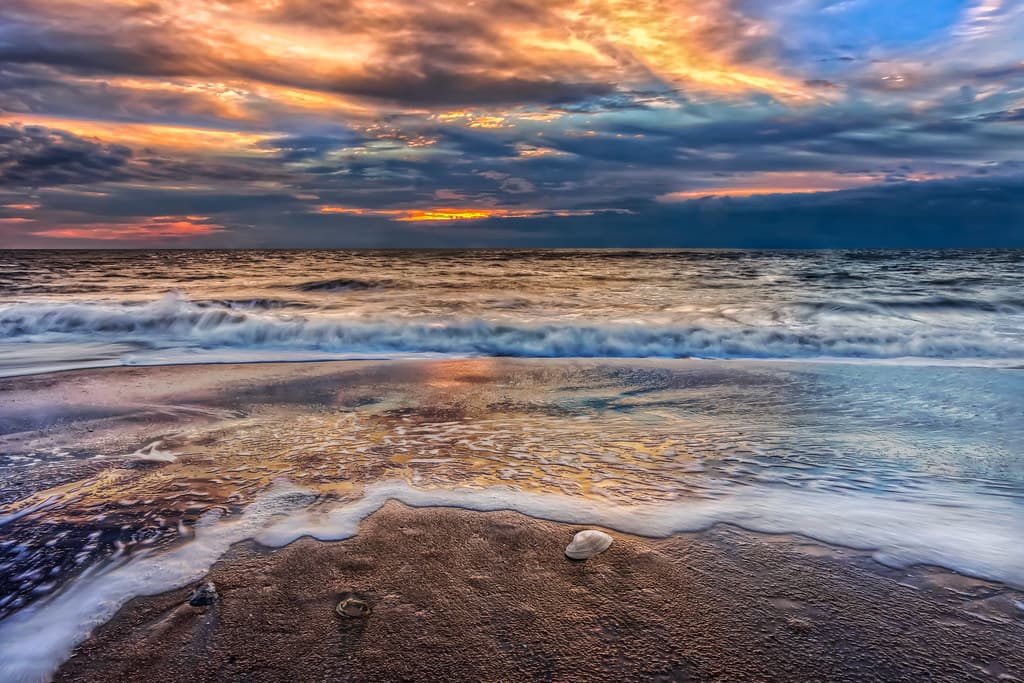
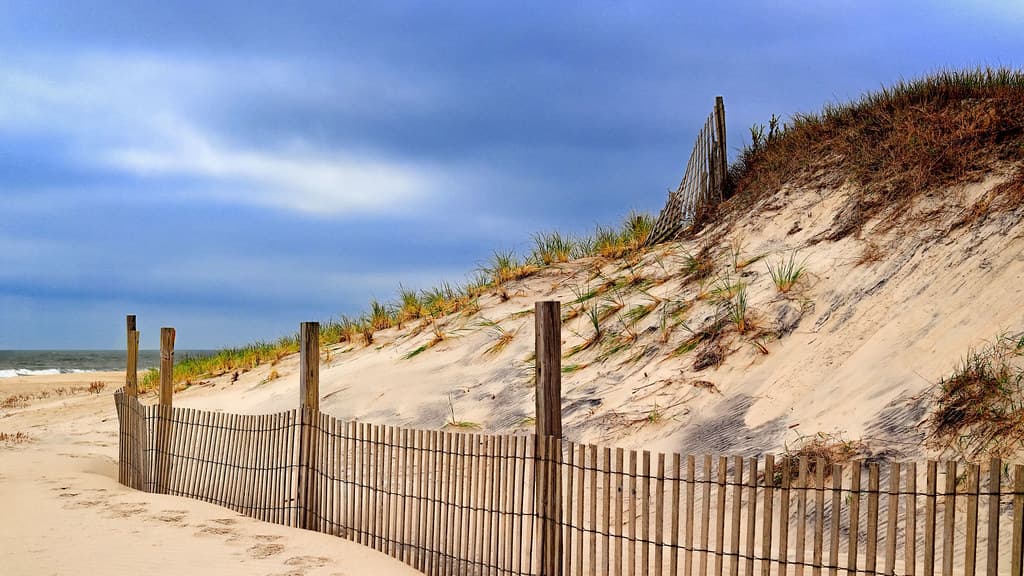
The ponies own this place. They wander between beach plum thickets and the high-tide line, unbothered by your camera or the cold Atlantic spray. Descend from the modest parking area and you'll find hoofprints pressed into sand the color of wet stone, stretching toward a horizon unbroken by boardwalks or cabanas. The shoreline here feels Paleolithic—no lifeguard towers, no music, just oystercatchers wheeling overhead and the steady percussion of waves. Your visit begins with a warning: these ponies bite and kick. Keep your distance—the island's most iconic residents are federally protected and thoroughly feral. Walk north and you'll leave most day-trippers behind within twenty minutes. The beach widens at low tide, revealing sandbars where piping plovers feed. In summer, greenhead flies descend with biblical vengeance; autumn brings relief and spectacular light that turns the dune grass copper. The island divides into Maryland and Virginia jurisdictions, but the beach you're on—the Maryland side—requires a national park entry fee and offers developed camping at oceanside and bayside sites. Pitch your tent within earshot of the surf and you'll wake to ponies silhouetted against dawn, moving like ghosts through the mist that rises off Sinepuxent Bay. This is the Mid-Atlantic at its most elemental: salt, sand, and something older than roads.
Places, rentals, tours and events within walking and driving distance of Assateague Island National Seashore Beach.
Photos
Swimming is permitted at Assateague Island, but conditions can be challenging. Strong currents, rip tides, and sudden drop-offs are common, particularly on the ocean side. There are no lifeguards on duty, so swim at your own risk. Check surf conditions before entering the water and never swim alone. The bay side offers calmer waters for families with children. Always supervise children closely, watch for jellyfish during summer months, and be aware that weather conditions can change rapidly along the barrier island.
Assateague Island is accessible year-round, with each season offering different experiences. Summer (June-August) brings warm weather and peak crowds but also biting insects. Fall (September-November) features pleasant temperatures, fewer bugs, and excellent beach conditions. Spring offers mild weather and wildflower blooms, while winter provides solitude and dramatic scenery, though facilities are limited. May through September sees the warmest ocean temperatures. For the best overall experience with moderate weather and fewer insects, visit during late September through October.
From Berlin, Maryland, take MD-611 South for about 8 miles directly to the island. The national seashore entrance is well-marked. There's an entrance fee ($25 per vehicle for a 7-day pass as of 2024). Several parking lots are available near the beach, though they fill quickly on summer weekends—arrive early. The main beach parking area is close to facilities and restrooms. Oversized vehicle parking is available for RVs. No public transportation serves the island, so a personal vehicle is necessary.
Assateague Island has no restaurants, hotels, or stores. The park offers basic amenities including restrooms and outdoor showers, but you must bring all food, water, and supplies. Camping is available at the National Seashore and State Park campgrounds with advance reservations recommended. For dining and lodging, head to nearby Ocean City (9 miles) or Berlin (8 miles), which offer numerous hotels, vacation rentals, and restaurants. Stock up on groceries and beach supplies in these towns before heading to the island.
Yes, Assateague Island is famous for its wild horses, descendants of domesticated animals that adapted to the harsh barrier island environment. These horses roam freely throughout the island, and sightings are common along the beach and in marshy areas. However, they are wild animals—federal law requires staying at least 40 feet away. Never feed, touch, or approach them, as they can bite and kick. The horses are most active during early morning and late afternoon. Bring binoculars for safe, close-up viewing.