Counting the waves…
Counting the waves…

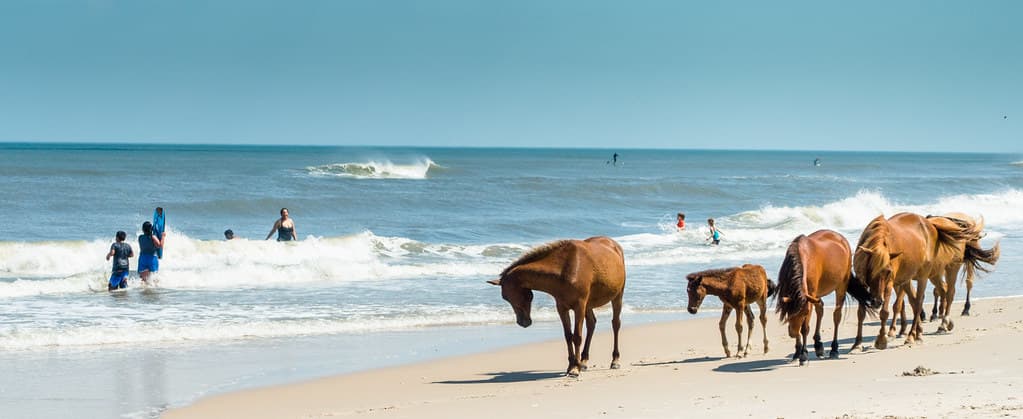
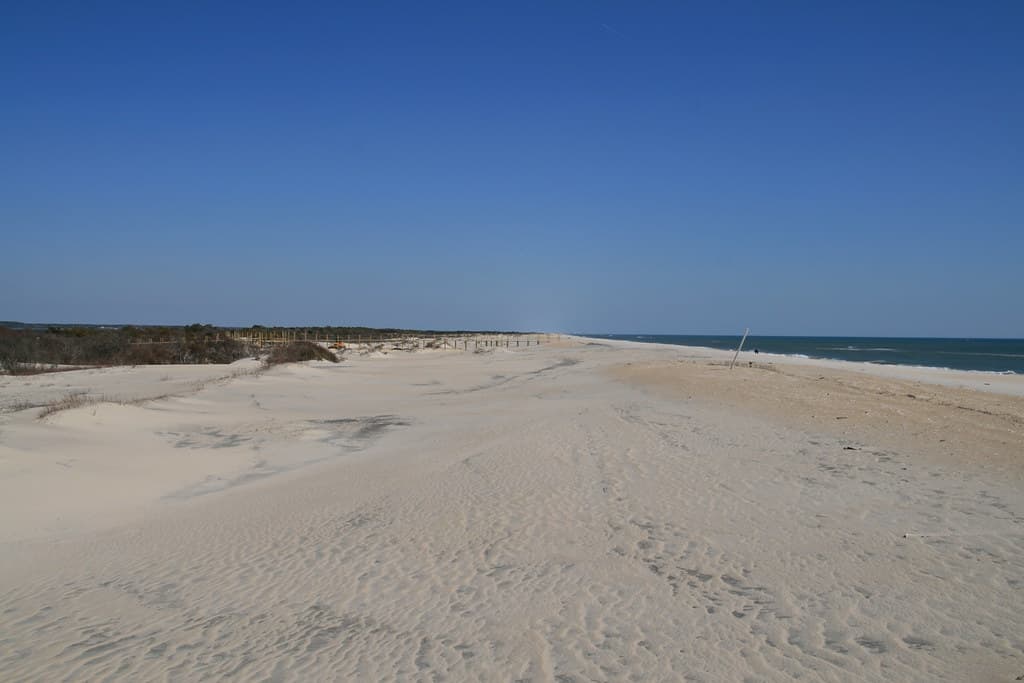
The wild horses appear without warning—shaggy silhouettes cresting a dune, hoofprints stamped into wet sand beside your blanket. At Assateague State Park Beach, these feral ponies aren't a marketing gimmick but daily neighbors, grazing on dune grass while you bodysurf the gentle Atlantic rollers. The two-mile strand offers everything a family beach day requires: bathhouse showers, a snack bar serving Old Bay fries, and lifeguards stationed mid-beach during summer months. But it's the untamed edges that linger in memory—the way marsh hawks wheel above Sinepuxent Bay on the island's western shore, accessible via a short boardwalk trail. Your children will remember the ponies, yes, but also the satisfying crunch of coquina shells underfoot, the brackish tang of air heavy with cordgrass and sea rocket. The beach slopes gradually, creating a wide tidal zone perfect for sandcastle moats that actually hold water. By late afternoon, when day-trippers retreat to Ocean City eight miles north, the strand empties enough that you can walk a mile and encounter only oystercatchers and the occasional surf caster hauling in bluefish. Come prepared: the same winds that keep summer temperatures bearable also deliver relentless greenhead flies in July. Pack repellent, stake your umbrella deep, and remember that the ponies—however tame they appear—bite and kick. Keep twenty feet between you and them, and you'll leave with photographs worth framing and stories your family will retell for decades.
Places, rentals, tours and events within walking and driving distance of Assateague State Park Beach.
Photos
Swimming is generally safe at Assateague State Park Beach during summer months when lifeguards are on duty. However, be aware of strong currents, rip tides, and changing ocean conditions, especially during storms or off-season. Always swim near lifeguarded areas when available. The beach has no rocky areas or dangerous marine life concerns, but jellyfish can be present in late summer. Check with park rangers about daily conditions and posted warning flags before entering the water. Supervise children closely, as waves can be unpredictable.
Late spring through early fall (May-September) offers the warmest weather for swimming and beach activities, with July and August being peak season. However, these months bring larger crowds. Spring and fall provide pleasant temperatures, fewer visitors, and excellent wildlife viewing opportunities. Winter visits are possible but cold, with strong winds. For seeing the famous wild horses, visit during cooler months when they frequent the beach more often. Summer weekends can be extremely busy, so consider weekday visits or arriving early for better parking and beach access.
From Berlin, Maryland, take MD-376 (Assateague Road) east for approximately 8 miles directly to the park entrance. The state park is about 10 miles south of Ocean City. Parking is available in designated lots near the beach, with a daily fee typically charged April through October. Arrive early during summer weekends, as parking fills quickly by mid-morning. The park entrance fee includes parking access. No public transportation serves the area, so a personal vehicle is necessary. Overflow parking is limited once main lots are full.
Assateague State Park Beach has a camp store offering snacks, drinks, ice, and basic supplies during peak season. However, full restaurant options are limited, so bringing your own food is recommended. The park provides bathhouses with restrooms, outdoor showers, and changing facilities. For dining and lodging, nearby Berlin (8 miles) and Ocean City (10 miles) offer numerous restaurants, hotels, and shops. The park has 350 campsites with amenities for those wanting to stay overnight. Picnic areas with tables and grills are available throughout the park.
The famous wild horses of Assateague roam freely throughout the island, including beach areas, though sightings aren't guaranteed. While viewing these horses is possible, federal and state laws strictly prohibit approaching, touching, or feeding them—violators face significant fines. Maintain at least 40 feet distance, as these are wild animals that can bite and kick. Horses are more frequently spotted along roads and in marshy areas than directly on the beach. Early morning or late afternoon increases your chances of sightings. Bring binoculars for safe, close-up viewing.