Counting the waves…
Counting the waves…

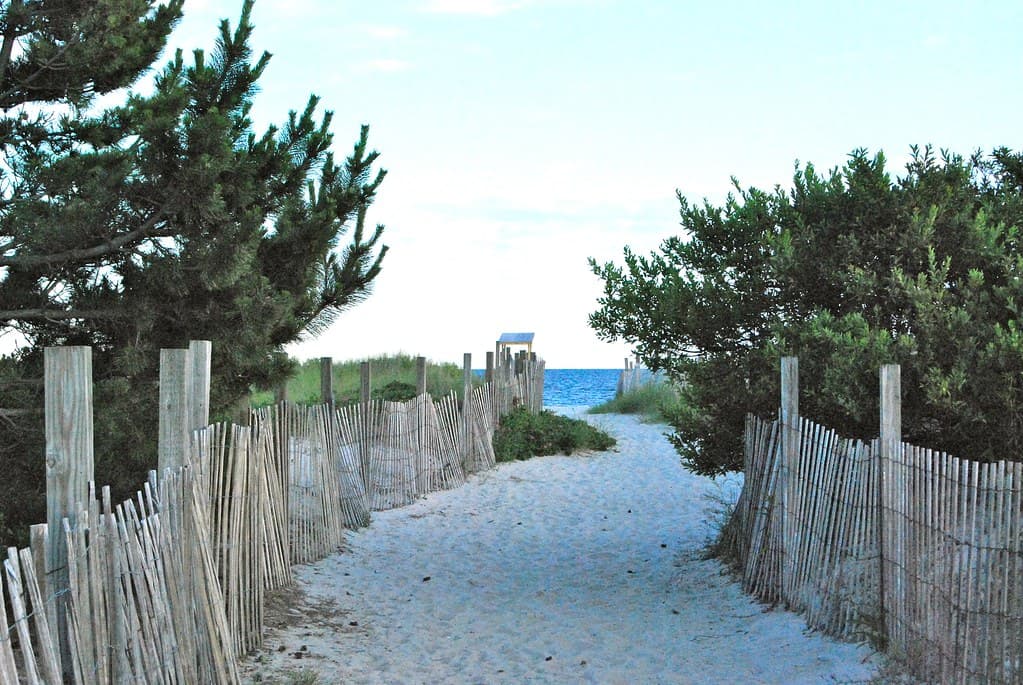
Colonial Acres Beach unfolds along a protected bend of Bass River, sheltered from the ocean's bite by barrier dunes and the curved geography of Yarmouth's northern shore. The strand runs narrow—perhaps fifty yards at high tide—but stretches long enough that you can always find a square of sand to yourself, even on August Saturdays when the rest of mid-Cape swarms with rental turnover traffic. Marsh grass sways at the western edge, and the water holds that brackish warmth rivers deliver better than open ocean. Families return year after year not for amenities—there's a single porta-toilet, no snack bar, no umbrella rentals—but for the reliable gentleness of the current and the way the river bottom slopes so gradually that a six-year-old can wade thirty feet out and still stand. Low tide reveals sandbars pocked with hermit crab trails and the occasional horseshoe crab shell. Locals arrive with kayaks strapped to roof racks, paddling upriver toward the Route 28 bridge or downstream where Bass River opens its throat to the Sound. The beach's obscurity is its currency. No sign advertises it from the main road; you navigate by memory or whispered directions, turning off Old Main Street onto a lane that dead-ends in a small gravel lot. Bring what you need—shade, snacks, a kite for the consistent southwest breeze—and leave exactly when the afternoon light turns amber and the tide starts its return.

Places, rentals, tours and events within walking and driving distance of Colonial Acres Beach.
Photos
Colonial Acres Beach is generally excellent for families with young children due to its calm, shallow waters along Nantucket Sound. The beach has gentle waves and a gradual slope, making it safer than ocean-facing beaches. However, there are no lifeguards on duty, so constant adult supervision is essential. The protected location means warmer water temperatures and less undertow compared to Cape Cod's Atlantic-side beaches. Check local weather and tide conditions before swimming, and be aware that jellyfish occasionally appear in late summer.
The best time to visit is June through September when water temperatures are warmest (65-70°F) and weather is most reliable. July and August offer peak beach conditions but can be crowded with summer residents. Late spring (May-early June) and early fall (September) provide pleasant temperatures with fewer visitors, though water may be chilly. Winter visits are possible for peaceful walks and birdwatching, but swimming isn't practical. Arrive early morning or late afternoon during summer weekends to enjoy this hidden neighborhood beach with more tranquility.
Colonial Acres Beach is located off South Sea Avenue in West Yarmouth, accessible via Route 28. Turn onto South Sea Avenue and follow it to Colonial Acres Road. Parking is extremely limited and primarily reserved for Yarmouth residents with beach stickers during summer months. Non-residents may find street parking difficult and should verify current parking regulations before visiting. Consider walking or biking if staying nearby. The beach's residential location means it's less accessible than public beaches like Bass River Beach or Seagull Beach, which offer visitor parking.
Colonial Acres Beach has no on-site facilities—no restrooms, showers, or concessions—so come prepared. Route 28, about a mile away, offers numerous dining options including seafood restaurants, casual eateries, and grocery stores for picnic supplies. Nearby accommodations range from motels to vacation rentals throughout West Yarmouth and South Yarmouth. Pack everything you need including water, snacks, and beach gear. Public restrooms are available at larger municipal beaches like Seagull Beach or Parker's River Beach, both within a few miles.
Colonial Acres Beach stands out as a quiet, residential neighborhood beach that remains relatively unknown to tourists, unlike busier public beaches like Seagull or Bass River. Its intimate size and local character create a peaceful atmosphere perfect for families seeking a low-key experience. The lack of facilities and limited parking naturally keep crowds away. Being on Nantucket Sound's protected waters means calmer conditions than ocean beaches. It's ideal for visitors who prioritize tranquility over amenities and don't mind a more rustic beach experience.