Counting the waves…
Counting the waves…

Harbert Beach sits at the edge of a small summer community that time hasn't quite caught up with—cottages tucked into the woods, a general store that still sells penny candy, no boardwalk or parking meters. You reach the shore via a narrow public access trail that winds through dense hardwood forest, the canopy filtering sunlight into soft green shadows. When the trees part, you're standing on a beach that stretches in both directions with hardly another soul in sight. The water temperature hovers around sixty-five degrees in July and August, bracing but swimmable if you commit to the plunge. Sandbars form a hundred yards out, creating shallow pools where you can wade waist-deep and watch sailboats tack north toward Holland. The shoreline here curves gently, and prevailing winds pile driftwood into sculptural tangles that shift with each storm. Gulls and piping plovers work the tideline, and if you walk south toward the Indiana border, you'll find sections where beach grass colonizes the low dunes. Come in September when the crowds thin and the maples behind the beach turn scarlet and gold. The light slants differently then, warmer and more forgiving, and the lake takes on deeper shades of blue. You can walk for an hour without retracing your steps, collecting Petoskey stones and watching weather systems build over Wisconsin.
Places, rentals, tours and events within walking and driving distance of Harbert Beach.
Photos
Harbert Beach is generally safe for swimming during calm conditions, but Lake Michigan can be unpredictable. Check for warning flags and current conditions before entering the water. Strong currents, undertows, and rip currents can develop quickly, especially during windy weather. The beach has no lifeguards on duty, so swim at your own risk and never swim alone. Water temperatures are coldest in spring and early summer. Always supervise children closely and stay within designated swimming areas when posted.
Summer months from June through August offer the warmest weather and water temperatures, ideal for swimming and sunbathing. However, Harbert Beach shines year-round for different experiences. Spring and fall provide quieter visits with beautiful shoreline walks and stunning sunsets. Winter transforms the beach into a serene landscape perfect for photography and peaceful strolls. Weekdays are less crowded than weekends during peak season. Arrive early morning or late afternoon for the most dramatic lighting and fewer visitors.
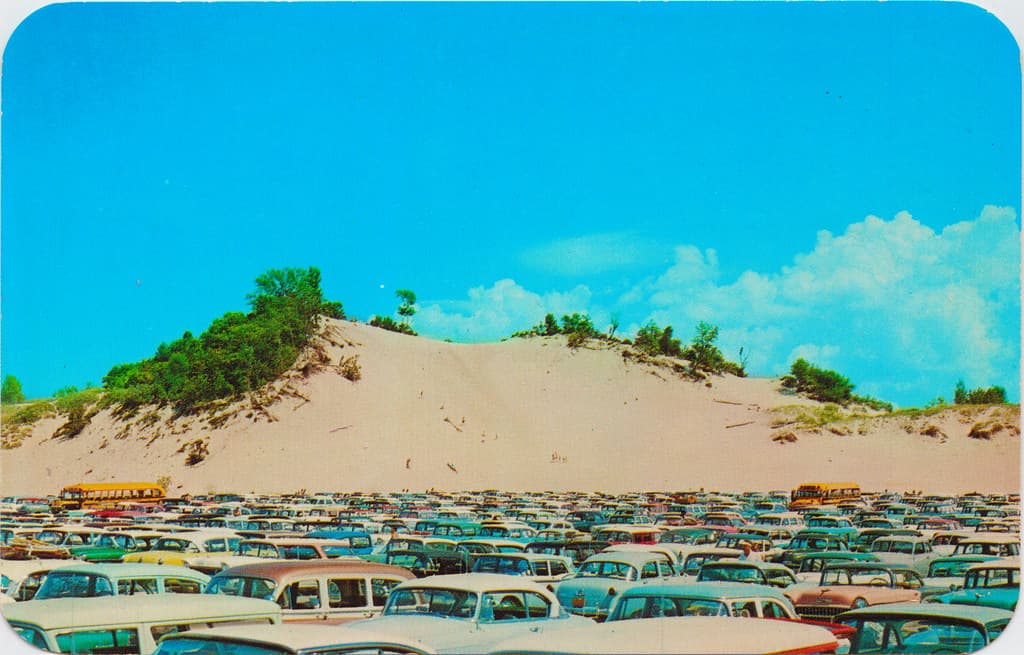
Harbert Beach has limited street parking along Harbert Road and nearby residential streets. There is no dedicated parking lot, so arrive early during summer weekends to secure a spot. The beach access is through a public pathway between private properties. From the parking area, follow the clearly marked access path toward the lake. Be respectful of neighboring properties and avoid blocking driveways. The walk to the beach is relatively short and easy, though the path may be sandy.
Harbert is a small community with limited dining options directly on-site, but nearby towns offer plenty of choices. The village of Harbert has a few restaurants and cafes within a short drive. New Buffalo, approximately 10 minutes away, provides numerous restaurants, shops, and lodging options including hotels and vacation rentals. For groceries and supplies, head to New Buffalo or Three Oaks. Many visitors rent vacation homes in the Harbert area for extended stays, offering a peaceful alternative to busier beach towns.
Harbert Beach remains relatively undiscovered compared to busier nearby beaches like New Buffalo or Warren Dunes. Its limited parking and lack of commercial development keep crowds minimal, preserving a peaceful, natural atmosphere. The beach offers stunning views of Lake Michigan with dramatic dunes and unspoiled shoreline. Without amenities like concession stands or lifeguards, it attracts visitors seeking a more authentic, quiet beach experience. The scenic beauty and tranquil setting make it particularly popular with photographers and those escaping tourist-heavy areas.