

Counting the waves…
Counting the waves…

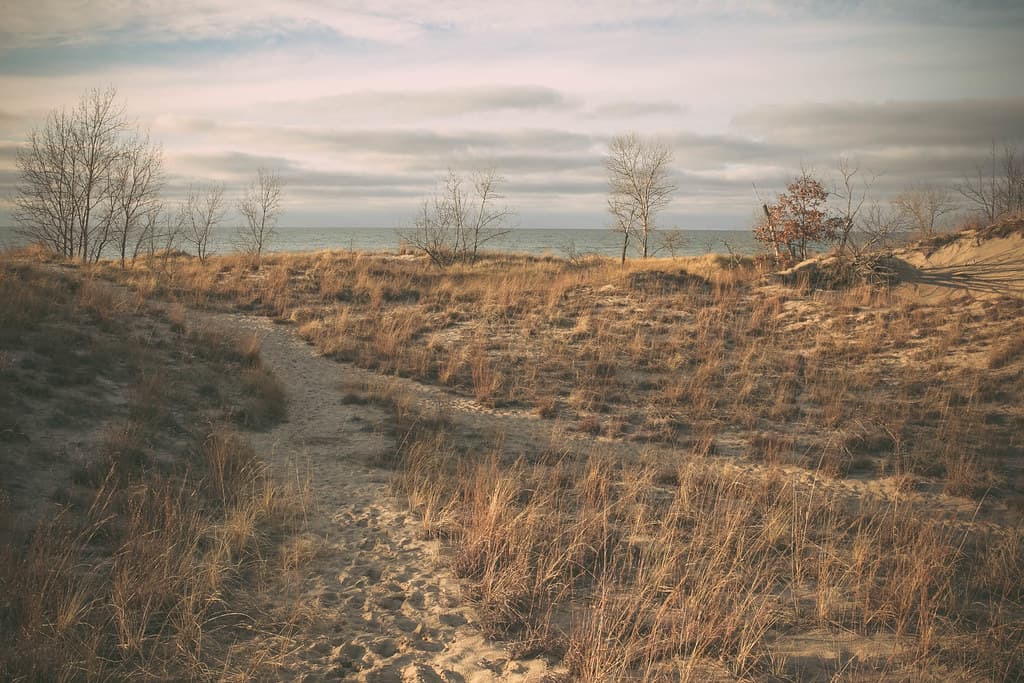
Warren Dunes crowds the shoreline with sand mountains that rise in rounded humps and knife-edge ridges, their slopes steep enough to make your calves burn on the ascent. Tower Hill, the tallest, grants views across sixty miles of open water on days when the haze lifts; most afternoons you'll watch freighters inch along the horizon while monarch butterflies tumble past on thermals. The beach itself stretches in both directions, a pale ribbon hemmed by beach grass and driftwood logs bleached gray as bone. The lake runs cold—fifty degrees in June, low seventies by late summer—but locals wade in without hesitation, bobbing past the break where waves roll in steady sets. Families stake umbrellas near the main parking lot; solitude-seekers walk south toward the quieter coves where the shoreline bends and the dunes lean close. After a swim, you'll find sand in every pocket, gritty and fine as powdered sugar. Autumn empties the beach but sharpens its beauty. November light slants low and golden across the dune faces, and you can hike the trails in near-silence, watching waves gnaw at the shore with a percussive rhythm. The sand stays pale year-round, luminous against storm-gray water, and the wind off the lake carries the smell of wet wood and something faintly metallic—the scent of a freshwater sea.
Places, rentals, tours and events within walking and driving distance of Warren Dunes State Park Beach.
Photos
Swimming conditions at Warren Dunes vary with Lake Michigan's weather patterns. The beach has lifeguards on duty during summer weekends and holidays, but not always on weekdays. Strong currents, rip tides, and sudden drop-offs can occur, especially during windy conditions. Always check the flag warning system before entering the water: green means calm, yellow indicates caution, and red prohibits swimming. The park posts daily conditions at the entrance. Never swim alone, and supervise children closely as Lake Michigan's conditions can change quickly throughout the day.
Summer (June-August) offers warmest water temperatures (65-75°F) and full amenities, though weekends get crowded. Late spring and early fall provide fewer crowds with pleasant beach weather, but cooler water. Winter attracts adventurous visitors for dramatic wave-watching and dune hiking, though swimming isn't recommended. The park remains open year-round. For the best experience, visit on weekdays in June or September when temperatures are comfortable, crowds are manageable, and parking is easier to find. Sunsets are spectacular throughout the year from this east-facing shoreline.
Warren Dunes State Park is located off Red Arrow Highway in Sawyer, Michigan, approximately 90 minutes from Chicago via I-94 (exit 16). From the exit, follow Red Arrow Highway north for about two miles. The park has multiple parking lots near the beach, charging a Michigan state park vehicle permit (daily or annual). Parking fills quickly on summer weekends, often by late morning. Arrive before 10 AM during peak season or consider visiting on weekdays. The main beach area parking is closest to facilities and lifeguarded swimming areas.
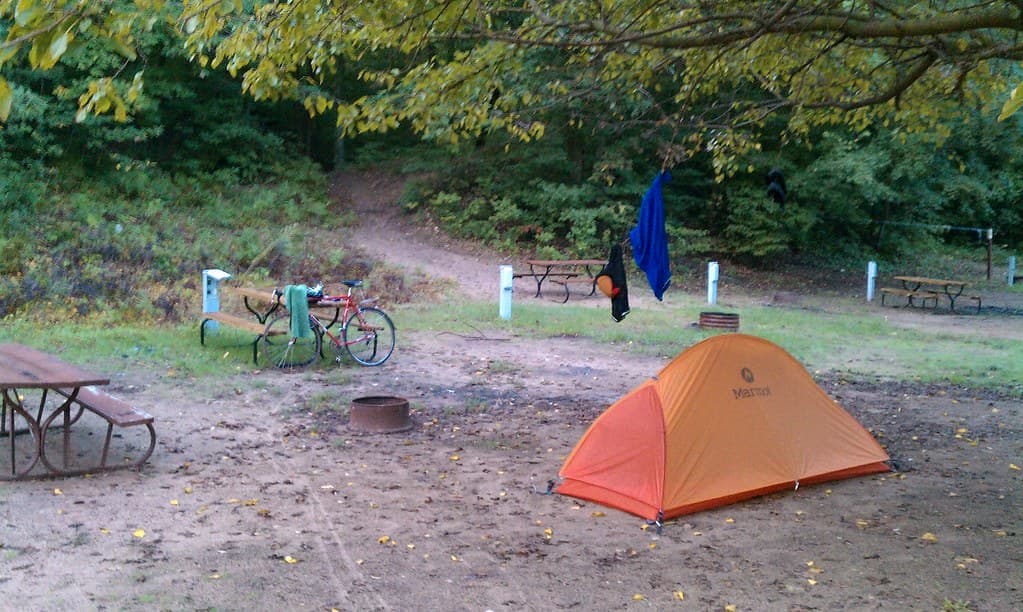
Warren Dunes has a concession stand near the main beach offering snacks, drinks, and basic food during summer months. Restrooms, changing facilities, and outdoor showers are available year-round. The nearby town of Sawyer (2 miles) has limited dining options. For more restaurants, grocery stores, and lodging, head to New Buffalo (8 miles north) or St. Joseph (15 miles north), which offer numerous hotels, bed and breakfasts, and dining choices. The park itself has campgrounds with 182 modern and 40 rustic sites if you want to stay onsite.
Yes, climbing the towering sand dunes is a signature activity at Warren Dunes. Tower Hill, the park's highest dune, rises 240 feet above Lake Michigan and offers panoramic lake views—but climbing it is strenuous. The soft sand makes ascent challenging; expect 15-30 minutes to reach the top. Wear appropriate footwear as sand gets extremely hot in summer. Six miles of hiking trails wind through dunes and forest. Stay on designated paths to prevent erosion. Many visitors enjoy running or rolling down the dunes, making this a unique feature beyond typical beach activities.