Counting the waves…
Counting the waves…
A refined fusion of water purity, environmental stability, and communal vibrancy for East Park Beach.
View MethodologyAnalyzed via live sensors and environmental data.
Wave height, wind, and atmospheric stability.
Live footfall and crowd balance metrics.
Community reviews and curated sentiment.
“You'll find East Park Beach tucked along Little Traverse Bay, where limestone pebbles click underfoot and families spread blankets on narrow sand ribbons. The water stays frigid even in August, but that doesn't stop…”
Limited recent visitor reports — live OBI telemetry is your best guide for current conditions.
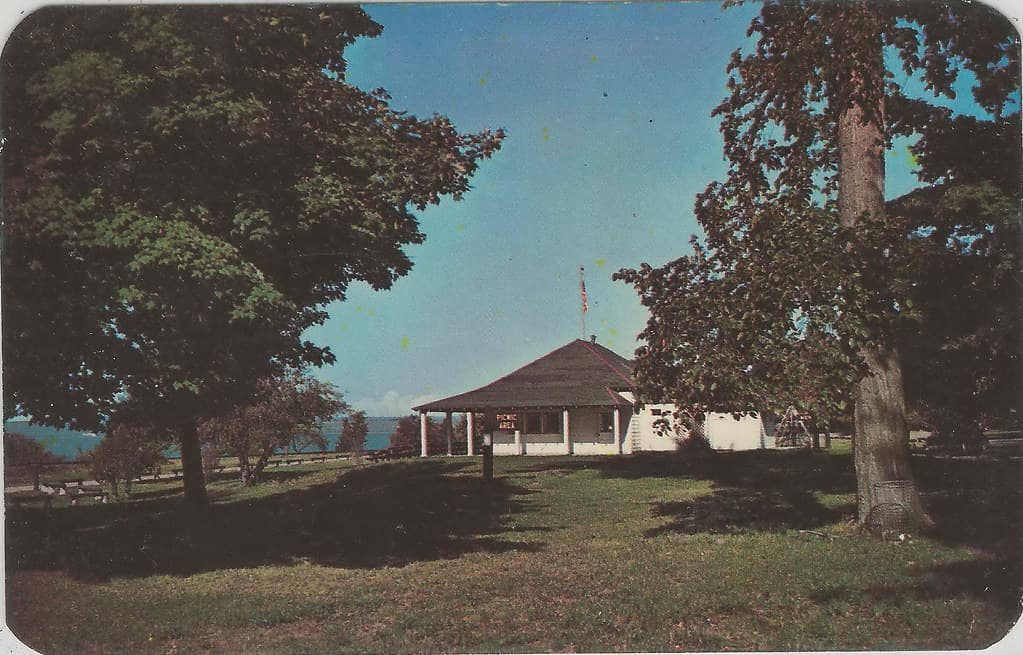
East Park Beach unfolds as a slender crescent pressed between wooded parkland and the bay's slate-blue expanse. You'll walk down a gentle slope through mature maples and oaks—no dramatic staircase, just a paved path that delivers you to a shore built more of rounded stones than fine sand. The beach runs narrow, especially when Lake Michigan swells, but that intimacy draws families who return summer after summer, spreading towels close enough to swap sunscreen and watch toddlers hunt for fossils in the shallows.
The water temperature rarely climbs above the mid-sixties, a shock that makes you gasp and laugh in equal measure. Kids don't seem to mind, splashing in knee-deep water while parents scan the tideline for Petoskey stones—those hexagonal coral fossils unique to this stretch of Michigan coast. You'll want to bring water shoes; the limestone cobbles feel good underfoot until they don't.
 Credit: Unsplash
person in orange high-top sneakers
 Credit: Unsplash
a couple of people sitting on top of a grass covered field
Best finds after wave action
Water stays bracingly cold always
Calm mornings offer glassy water
Where it is
East Park Beach
Petoskey, Michigan, USA
45.378200°, -84.952300°
Weather
Loading…
Swell
—
Temp
Warm · Restorative
UV Index
Moderate
Wind
—
Tidal State
Last known
Max Sunlight
—
Ideal Shade
—
May - Sep (Peak)
Jan - Dec (Off-season)
Historical data suggests peak visibility and stable sea temperatures occur during the prime visitation window.
Select a category to load nearby places.
Unlock restaurants, luxury stays and curated maritime experiences within 2km
East Park Beach is generally considered safe for families with children. The beach features calm, shallow waters along Little Traverse Bay, making it ideal for young swimmers. The sandy bottom extends gradually, allowing kids to wade comfortably. However, always supervise children as Lake Michigan conditions can change. The beach has lifeguards during summer months (typically late June through August). Water temperatures peak in July and August at around 65-70°F. Check local weather reports before visiting, as occasional riptides or high waves can occur during storms.
Summer (June through August) offers the warmest weather and full amenities, with temperatures ranging from 70-80°F and comfortable water temperatures for swimming. However, East Park Beach is beautiful year-round. Spring and fall provide quieter visits with stunning sunsets and pleasant walking conditions. Winter transforms the beach into a serene landscape perfect for beachcombing and photography, though facilities are limited. Weekdays in summer are less crowded than weekends. For optimal swimming conditions and family activities, plan your visit between mid-July and mid-August when water temperatures are warmest.
East Park Beach is located in downtown Petoskey along Lake Street on Little Traverse Bay. Free public parking is available in a small lot directly adjacent to the beach, accessible from Lake Street. Additional parking can be found at nearby Pennsylvania Park or in downtown Petoskey lots within a short walk. The beach is easily accessible from US-31; take the downtown Petoskey exit and follow signs toward the waterfront. During peak summer weekends, parking fills quickly, so arrive early morning for best availability. The beach is also walkable from most downtown hotels.
East Park Beach is steps from downtown Petoskey, offering numerous dining and lodging options within walking distance. You'll find restaurants ranging from casual cafes to upscale dining along Lake Street and nearby Howard Street. Several hotels and bed-and-breakfasts are located within a few blocks of the beach. The beach itself has basic amenities including restrooms and picnic areas during summer months. Downtown Petoskey features ice cream shops, coffee houses, and grocery stores for picnic supplies. Most beachfront restaurants offer outdoor seating with bay views, particularly popular during sunset hours.
Yes, East Park Beach is an excellent location for hunting Petoskey stones, Michigan's state stone. These fossilized coral pieces are found along the shoreline, particularly after storms or when water levels are lower. The best hunting occurs in spring and fall when beaches are less crowded and stones are more visible. Look for stones with distinctive honeycomb patterns; they're easier to spot when wet. Early morning hunts often yield better results. Remember that collecting reasonable amounts for personal use is permitted, but commercial collection is restricted in Michigan state parks.
Photos