Counting the waves…
Counting the waves…

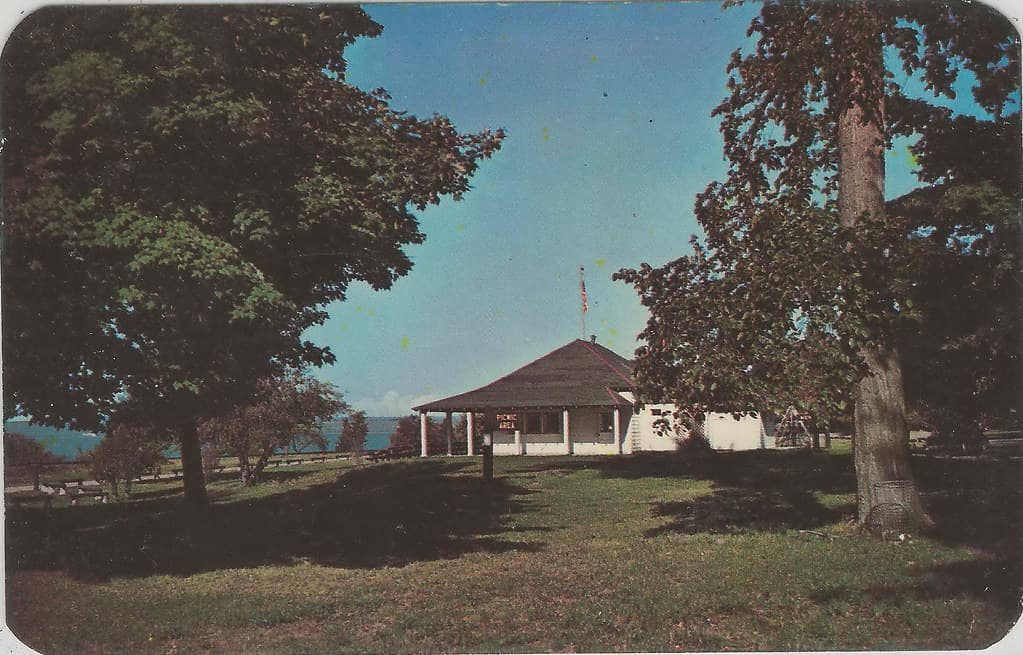
The beach stretches for nearly a mile along Little Traverse Bay, its sandy shoreline punctuated by rounded stones that demand close inspection. You're searching for the hexagonal patterns of Petoskey stones—ancient Hexagonaria coral colonies that reveal their honeycomb structure when wet or polished. The hunt becomes a treasure quest that keeps children occupied for hours, crouched at the waterline with handfuls of promising candidates. The swimming here favors families with young children: Lake Michigan's shelf extends gradually, keeping depths manageable for fifty feet or more. Summer water temperatures climb into the low seventies, though spring and fall swimmers will need neoprene. Behind the beach, forested dunes rise sharply, laced with trails that reward the climb with views across the bay toward Harbor Springs. Picnic shelters nestle among the pines, and the two-hundred-plus campsites fill quickly on summer weekends. You'll find bathhouses, grills, and playground equipment—the infrastructure that transforms a pretty beach into a viable day trip with restless kids. Winter visitors cross-country ski the trails or walk the frozen shoreline, searching for stones against snow. The park sits two miles north of downtown Petoskey, convenient enough for ice cream runs yet removed from the traffic of US-31. Pack a mesh bag for your stone collection and leave the beach rake at home; Michigan law permits hand collection only.

Places, rentals, tours and events within walking and driving distance of Petoskey State Park Beach.
Photos
Swimming is generally safe at Petoskey State Park Beach during summer months when lifeguards are not present, so swim at your own risk. Lake Michigan waters can be cold even in summer, typically ranging from 55-70°F. Watch for rip currents and sudden drop-offs, especially after storms. The beach has a gradual slope making it family-friendly for wading. Check current conditions and wave warnings before entering the water. Red flags indicate dangerous conditions. The park is well-maintained with clean facilities and designated swimming areas.
Summer (June-August) offers the warmest weather and water temperatures ideal for swimming and beach activities. However, spring and fall are excellent for Petoskey stone hunting when fewer crowds and lower water levels expose more beach area. Winter attracts visitors for scenic icy landscapes and cross-country skiing. Weekdays are less crowded than weekends year-round. July and August see peak tourism with temperatures in the 70s-80s°F. Shoulder seasons offer beautiful foliage and comfortable temperatures for hiking and picnicking without intense summer crowds.
Petoskey State Park Beach is located about 2 miles northeast of downtown Petoskey off US-31 on M-119 (Beach Road). The park has ample paved parking with designated lots near the beach area. A Michigan Recreation Passport is required for entry ($12 daily/$34 annual for residents, $9/$34 for non-residents), available at the park entrance. Parking fills quickly on summer weekends, so arrive early. The park is easily accessible by car with clear signage from US-31. No public transportation serves the beach directly.
Petoskey State Park Beach has modern restrooms, changing areas, and picnic facilities with grills, but no food concessions. Bring your own food and drinks or visit downtown Petoskey (2 miles away) for restaurants, cafes, and grocery stores. The park offers playground equipment and hiking trails. Nearby lodging includes the park's own campground with 168 sites, plus numerous hotels and vacation rentals in Petoskey. Harbor Springs, 10 miles north, provides additional dining and accommodation options. Water and basic amenities are available on-site.
Yes, Petoskey State Park Beach is one of the best locations to find Michigan's official state stone—fossilized coral from 350 million years ago. Look along the shoreline, especially after storms or when water levels are low. The stones appear gray when dry but reveal distinctive hexagonal patterns when wet or polished. Early morning or late afternoon when the beach is less crowded offers better hunting. Spring and fall typically yield better finds. You can collect reasonable amounts for personal use, but commercial collection is prohibited.