Counting the waves…
Counting the waves…

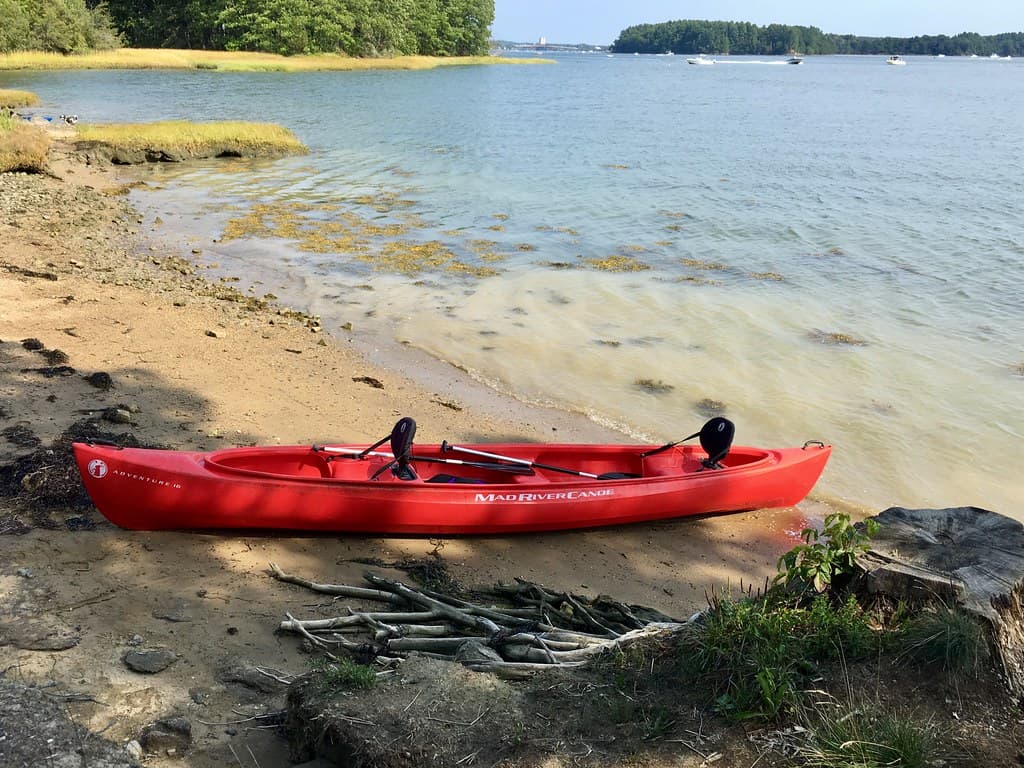
The shoreline at Hilton Park doesn't announce itself with crashing surf or sugary sand. Instead, you'll find a slender ribbon of pebbly beach flanked by lawn, weathered picnic shelters, and the kind of veteran maples that offer shade deep enough to nap under. The water here shifts with the tides—sometimes lapping gently at rounded stones, sometimes retreating to expose wide mudflats where gulls and sandpipers hunt for breakfast. On summer afternoons, kids wade in shin-deep, poking sticks at hermit crabs while parents unpack coolers nearby. This is estuary country, where freshwater rivers tangle with the Atlantic. The Piscataqua's tidal current brings cool, brackish water that stays refreshingly crisp even in July. You'll notice lobster buoys bobbing offshore and the occasional kayaker gliding past, en route to quieter coves upstream. The park's grassy expanse sprawls generously—enough room for frisbees, kites, and the scatter of extended-family reunions that claim tables by mid-morning on weekends. What makes Hilton Park indispensable is its lack of pretense. There's no boardwalk, no snack shack, no lifeguard tower. Just a neighborhood gathering spot where you can dip your toes, grill burgers at a public fire pit, and watch sailboats tack against the wind. Come at dusk and the tide pools glow amber under sinking light.
Places, rentals, tours and events within walking and driving distance of Hilton Park Shoreline.
Photos
Hilton Park Shoreline is located along the Cocheco River where it meets Great Bay, not the ocean. The water is generally calm and shallow near shore, making it suitable for wading and supervised children's play. However, swimming conditions depend on tides and currents. There are no lifeguards on duty, so supervision is essential. Always check water quality advisories before visiting, as tidal estuaries can be affected by runoff. The gentle slope and protected location make it family-friendly for supervised water activities.
Hilton Park Shoreline is accessible year-round, with each season offering different experiences. Summer (June-August) provides warmest water and weather for wading and beach activities. Late spring and early fall offer pleasant temperatures with fewer crowds, ideal for walking and wildlife watching. Winter attracts visitors for scenic shoreline walks and birdwatching. Visiting at low tide reveals more beach area for exploring. Early mornings and weekday visits typically mean quieter conditions, especially during summer months when families frequent the area.
Hilton Park has a designated parking area accessible off Hilton Drive in Dover's Hilton Park neighborhood. The parking lot is free and open to the public during park hours. Space is limited, so arriving early during peak summer weekends is advisable. The beach and shoreline are a short walk from the parking area. Street parking may be available on surrounding residential streets, but always respect posted signs and private property. The park is easily accessible from downtown Dover, approximately 10-15 minutes by car.
Hilton Park is primarily a residential area with limited on-site amenities. Downtown Dover, about 2 miles away, offers numerous restaurants, cafes, and shops along Washington Street and Central Avenue. Hotels and lodging options are available in Dover and nearby Portsmouth (8 miles away), which has extensive dining and accommodation choices. It's recommended to bring your own food, drinks, and beach supplies, as there are no concessions at the park. Restroom facilities may be limited, so plan accordingly before your visit.
Yes, Hilton Park Shoreline's estuarine location along Great Bay makes it excellent for wildlife observation. The tidal area attracts various shorebirds, wading birds, and waterfowl, especially during migration seasons in spring and fall. You may spot herons, egrets, and osprey. The mudflats exposed at low tide draw feeding birds. Harbor seals occasionally appear in the bay. The mix of saltwater and freshwater habitats supports diverse marine life. Bring binoculars for optimal birdwatching, and visit during quieter times for better wildlife viewing opportunities.